
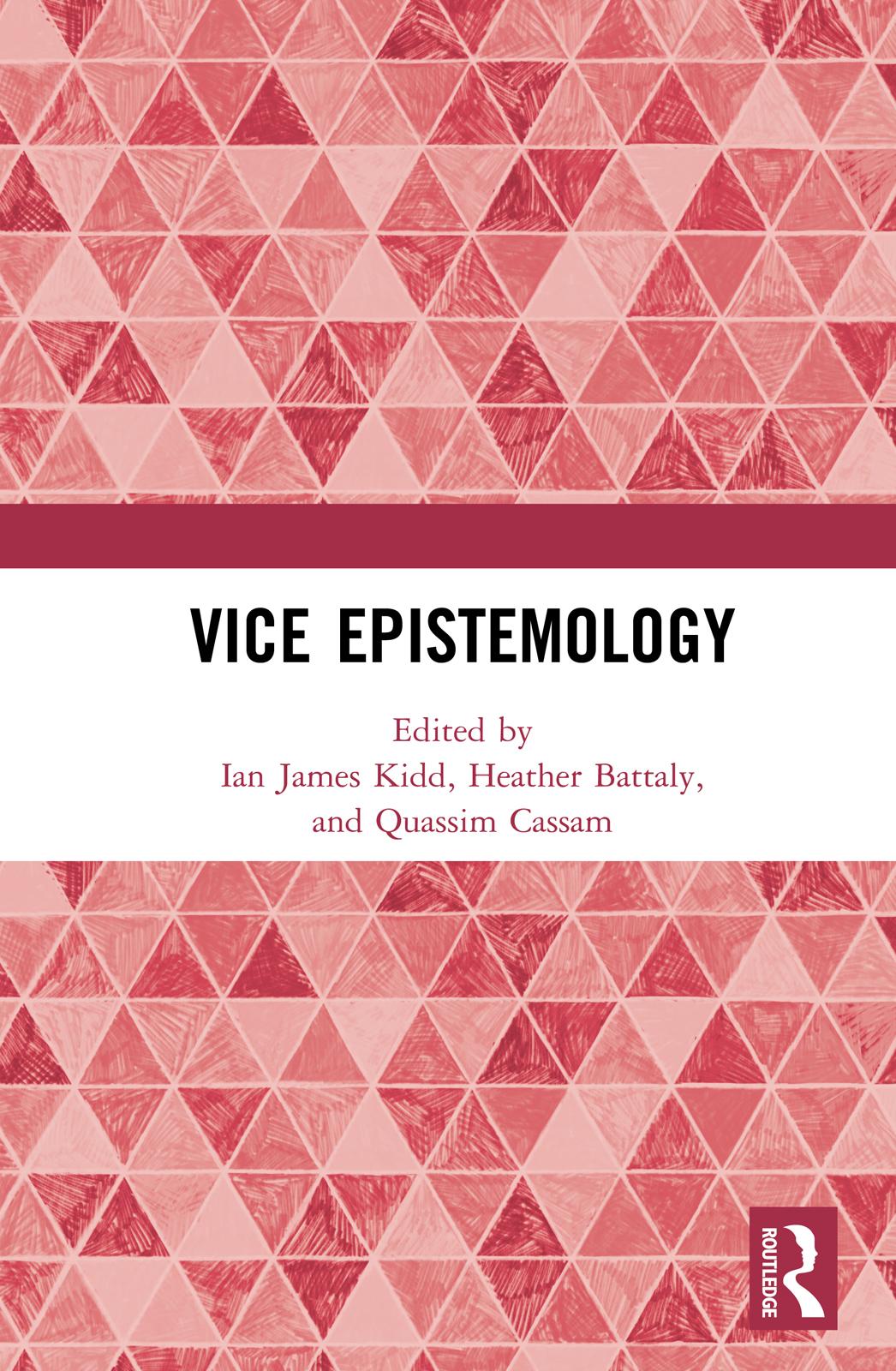
Some of the most problematic human behaviors involve vices of the mind such as arrogance, closed-mindedness, dogmatism, gullibility, and intellectual cowardice, as well as wishful or conspiratorial thinking. What sorts of things are epistemic vices? How do we detect and mitigate them? How and why do these vices prevent us from acquiring knowledge, and what is their role in sustaining patterns of ignorance? What is their relation to implicit or unconscious bias? How do epistemic vices and systems of social oppression relate to one another? Do we unwittingly absorb such traits from the process of socialization and communities around us? Are epistemic vices traits for which we can blamed? Can there be institutional and collective epistemic vices?
This book seeks to answer these important questions about the vices of the mind and their roles in our social and epistemic lives, and is the first collection of its kind. Organized into three parts, chapters by outstanding scholars explore the nature of epistemic vices, specific examples of these vices, and case studies in applied vice epistemology, including education and politics.
Alongside these foundational questions, the volume offers sophisticated accounts of vices both new and familiar. These include epistemic arrogance and servility, epistemic injustice, epistemic snobbishness, conspiratorial thinking, procrastination, and forms of closed-mindedness.
Vice Epistemology is essential reading for students of ethics, epistemology, and virtue theory, and various areas of applied, feminist, and social philosophy. It will also be of interest to practitioners, scholars, and activists in politics, law, and education.
Płać wygodnie kartą, Klarną, Apple Pay lub Google Pay. Nie jesteś zadowolony? Zawsze masz 14-dniową gwarancję zwrotu pieniędzy. Więcej przeczytasz w naszych warunkach. Masz pytania? Napisz do nas na hello@memmo.org.
Memmo ułatwia naukę – gdziekolwiek jesteś na świecie. U nas znajdziesz podręczniki i sprytne narzędzia do nauki w jednym miejscu: streszczenia, quizy, podcasty i fiszki. A do tego Ted, Twój kumpel do nauki, który odpowie na wszystko, co Cię nurtuje. Ponad 50 000 studentów już tu się uczy – stworzone, byś uczył się szybciej i mniej stresował.