
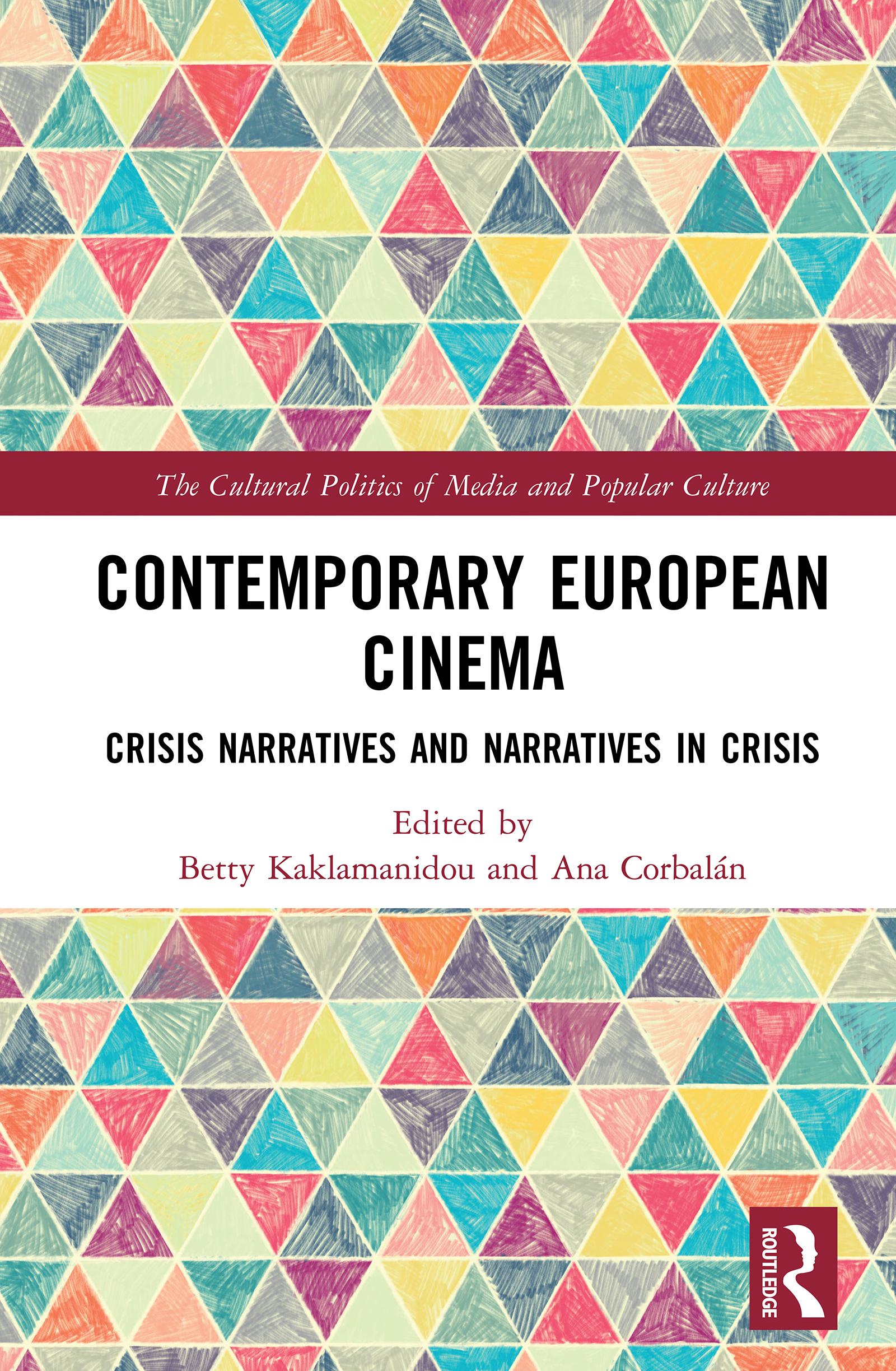
This book offers a range of accounts of the state of "European Cinema" in a specific sociopolitical era: that of the global economic crisis that began in 2008 and the more recent refugee and humanitarian crisis. With the recession having become a popular theme of economic, demographic, and sociological research in recent years, this volume examines representations of the crisis and its attendant market instability and mistrust of neoliberal political systems in film. It thus sheds light on the mediation, reimagination, and reformulation of recent history in the depiction of personal, cultural, and political memories, and raises new questions about crisis narratives in European film, asking whether the theoretical notion of "national" cinema is less or more powerful during moments of sociopolitical turbulence, and investigating the kinds of cultural representations and themes that characterize the narratives of European documentary and fictional films from both small and large national markets.
Płać wygodnie kartą, Klarną, Apple Pay lub Google Pay. Nie jesteś zadowolony? Zawsze masz 14-dniową gwarancję zwrotu pieniędzy. Więcej przeczytasz w naszych warunkach. Masz pytania? Napisz do nas na hello@memmo.org.
Memmo ułatwia naukę – gdziekolwiek jesteś na świecie. U nas znajdziesz podręczniki i sprytne narzędzia do nauki w jednym miejscu: streszczenia, quizy, podcasty i fiszki. A do tego Ted, Twój kumpel do nauki, który odpowie na wszystko, co Cię nurtuje. Ponad 50 000 studentów już tu się uczy – stworzone, byś uczył się szybciej i mniej stresował.