
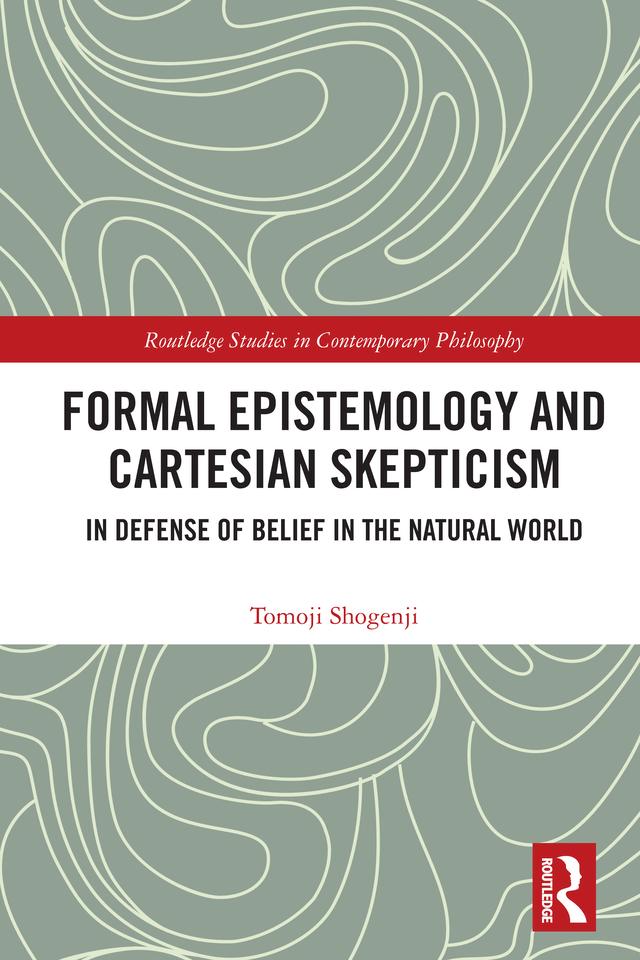
This book develops new techniques in formal epistemology and applies them to the challenge of Cartesian skepticism. It introduces two formats of epistemic evaluation that should be of interest to epistemologists and philosophers of science: the dual-component format, which evaluates a statement on the basis of its safety and informativeness, and the relative-divergence format, which evaluates a probabilistic model on the basis of its complexity and goodness of fit with data. Tomoji Shogenji shows that the former lends support to Cartesian skepticism, but the latter allows us to defeat Cartesian skepticism. Along the way, Shogenji addresses a number of related issues in epistemology and philosophy of science, including epistemic circularity, epistemic closure, and inductive skepticism.
Płać wygodnie kartą, Klarną, Apple Pay lub Google Pay. Nie jesteś zadowolony? Zawsze masz 14-dniową gwarancję zwrotu pieniędzy. Więcej przeczytasz w naszych warunkach. Masz pytania? Napisz do nas na hello@memmo.org.
Memmo ułatwia naukę – gdziekolwiek jesteś na świecie. U nas znajdziesz podręczniki i sprytne narzędzia do nauki w jednym miejscu: streszczenia, quizy, podcasty i fiszki. A do tego Ted, Twój kumpel do nauki, który odpowie na wszystko, co Cię nurtuje. Ponad 50 000 studentów już tu się uczy – stworzone, byś uczył się szybciej i mniej stresował.