
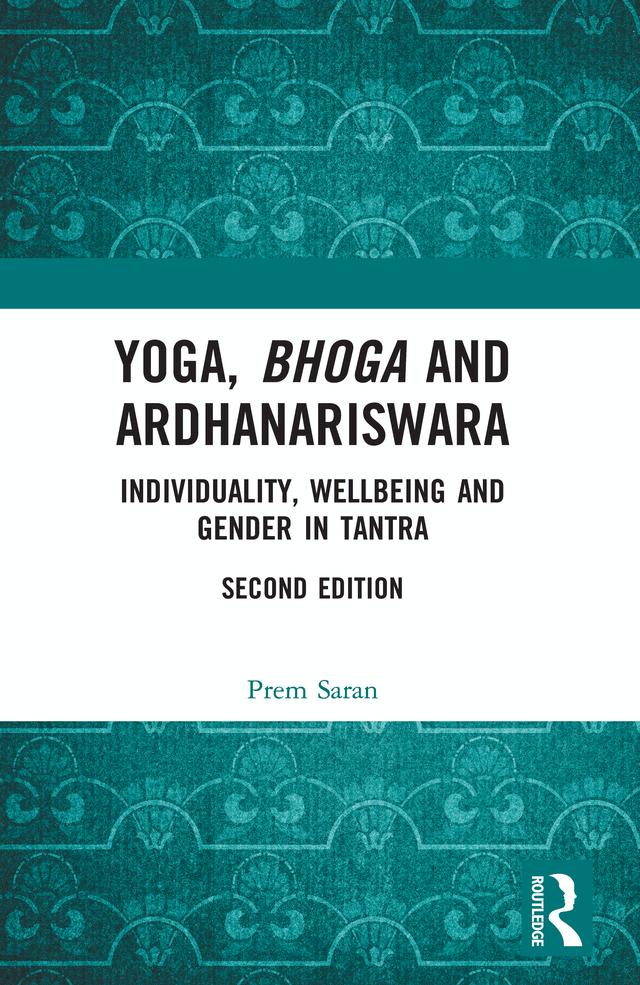
This book offers a social–scientific interpretation of the Hindu and Buddhist traditions of Tantra dating back 15 centuries. It is a self-reflexive study approached with an insider’s empathy and the perspective of an Indologist, anthropologist, mystic and practitioner of the cult.
The work includes a discussion of non-modern Indic themes: mandala as a trope and its manifestations in South Asian regions such as Nepal; yoga and Indic individuality; the concept of bhoga; disciplined wellbeing; gender; and Indic axiology. Using personal praxis to inform his research, the author examines three core themes within Tantra — a ‘holonic’/mandalic individuality that conduces to mystical experience; a positive valorisation of pleasure and play; and cultural attitudes of gender-mutuality and complementarity, as neatly encapsulated in the icon of Shiva as Ardhanariswara. This analysis, as captured by the Tantric mandalas of deities in intimate union, leads to his compelling metathesis that Tantra serves as a permanent counterculture within the Indic civilization.
This second edition, with a new Afterword, will greatly interest those in anthropology, South Asian studies, religious studies, gender studies, psychology and philosophy, as also the general reader.
Płać wygodnie kartą, Klarną, Apple Pay lub Google Pay. Nie jesteś zadowolony? Zawsze masz 14-dniową gwarancję zwrotu pieniędzy. Więcej przeczytasz w naszych warunkach. Masz pytania? Napisz do nas na hello@memmo.org.
Memmo ułatwia naukę – gdziekolwiek jesteś na świecie. U nas znajdziesz podręczniki i sprytne narzędzia do nauki w jednym miejscu: streszczenia, quizy, podcasty i fiszki. A do tego Ted, Twój kumpel do nauki, który odpowie na wszystko, co Cię nurtuje. Ponad 50 000 studentów już tu się uczy – stworzone, byś uczył się szybciej i mniej stresował.