
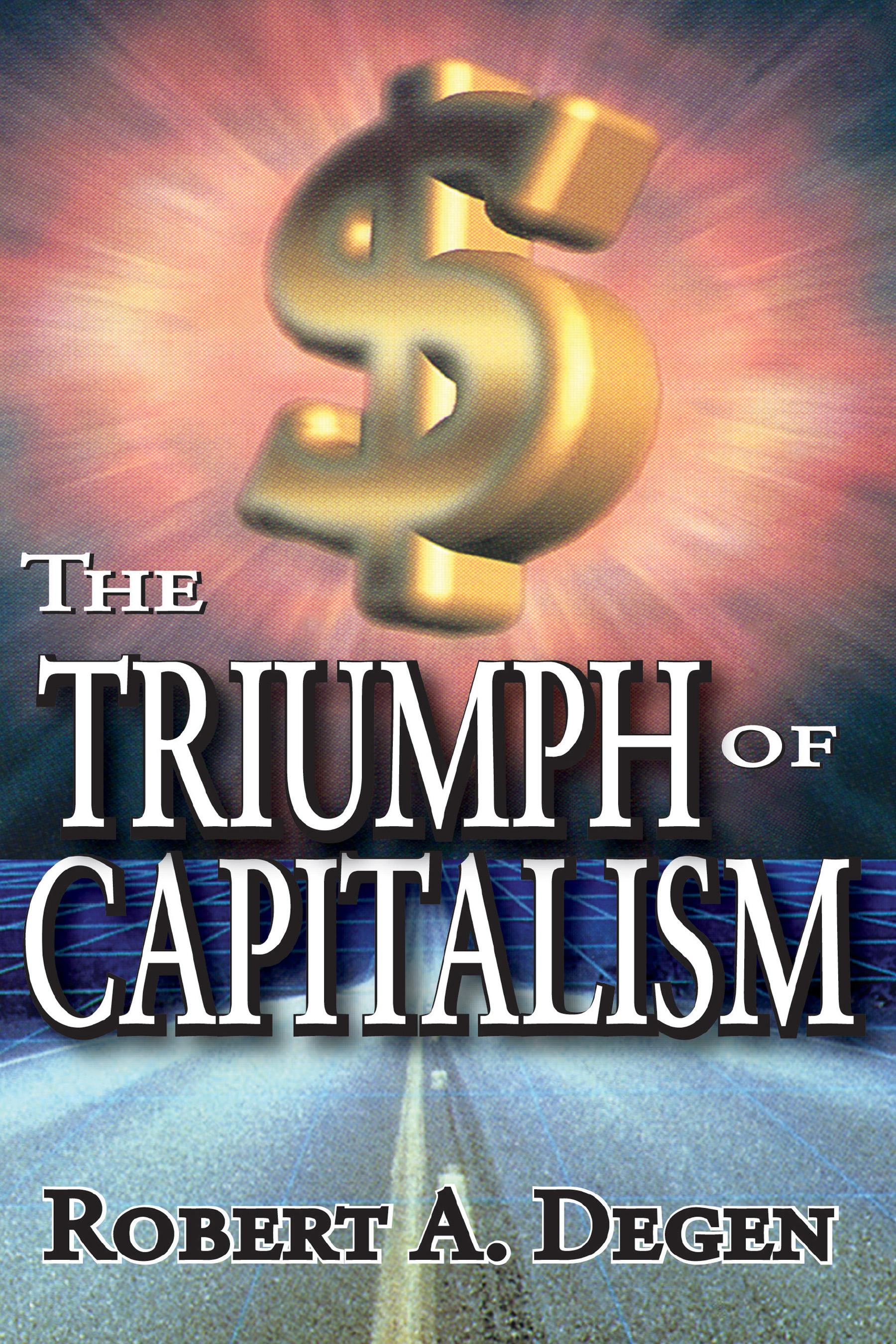
Today there is widespread recognition that capitalism is the socioeconomic system of choice. This volume, perhaps the best single-volume assessment of this economic model and how it emerged, contributes to the understanding of the historic role of capitalism. After reviewing the gestation of the system, it explains the emergence of full-blown capitalism in the eighteenth century, taking it into the nineteenth and its link to the industrial revolution. The primary focus, however, is on the twentieth century, in which capitalism faced and met challenges due to world wars and depression with the aid of interventionist policies, notably Keynesian economics and the welfare state. But the failure of the postwar policy consensus to cope with the twin problems of inflation and slow economic growth led to a resurgence of greater reliance on unalloyed capitalism.
Capitalist values so permeate modern culture in America that to question them seems like heresy. In 1989, the economist Robert L. Heilbroner, who had been a perceptive student of capitalism and socialism for decades, proclaimed "The Triumph of Capitalism," arguing that the contest of economic systems was over and the victory of capitalism was unambiguous. Fifteen years later, C. Fred Bergsten, Director of the Institute for International Economics, reinforced this view: "The U.S. model of capitalism and globalization dominates thinking around the world." Writer Russell Baker, dismayed by perceived degrading effects of market-obsessed management on journalism, observed that "belief in the virtue of maximized profits has acquired something like sanctity in American life."
An appreciation of economic and social history, and the accompanying clash of ideas, is helpful in providing a context in which ongoing challenges may be evaluated. It is important to know that what is understood to be capitalism has changed significantly over time. The purpose of this book is to provide such context. Written by an economist, but accessible to a general public, this book is a wide-ranging assessment of today's dominant economic system and its historical development.
Płać wygodnie kartą, Klarną, Apple Pay lub Google Pay. Nie jesteś zadowolony? Zawsze masz 14-dniową gwarancję zwrotu pieniędzy. Więcej przeczytasz w naszych warunkach. Masz pytania? Napisz do nas na hello@memmo.org.
Memmo ułatwia naukę – gdziekolwiek jesteś na świecie. U nas znajdziesz podręczniki i sprytne narzędzia do nauki w jednym miejscu: streszczenia, quizy, podcasty i fiszki. A do tego Ted, Twój kumpel do nauki, który odpowie na wszystko, co Cię nurtuje. Ponad 50 000 studentów już tu się uczy – stworzone, byś uczył się szybciej i mniej stresował.