
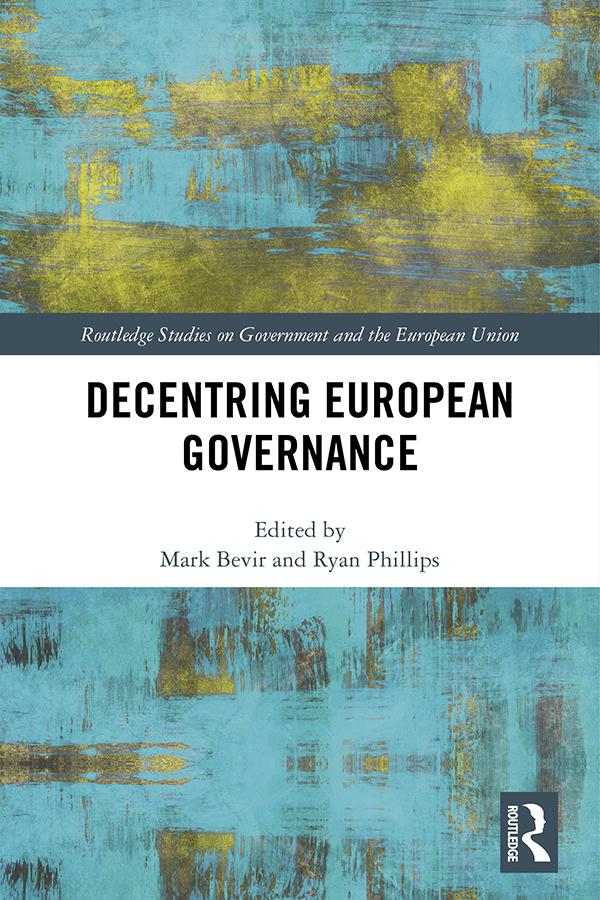
Conforming neither to the hierarchical and bureaucratic organization of the European nation-state nor the anarchical structure of international organizations, the European Union (EU) and its predecessors provide an exemplary site for developing a decentred approach to the study of governance.
The book offers an analysis of the formation and transformation of the EU as an example of governance above the nation-state and is framed by the recognition that the construction of the EU has resulted in variegated and decentred forms of governance. The chapters look at distinct aspects of EU governance to bring to light the influence of elite narratives, scientific rationalities, local traditions and meaningful practices in the making and remaking of European governance. As such, each chapter offers a unique contribution to the study of the EU. In doing so, the book challenges dominant narratives of European integration and policymaking that appeal to reified rationalities and social structures, and uncovers the contingency and conflict endemic to European governance.
This text will be of key interest to scholars and students of European Union politics, European politics/studies, governance and, more broadly, to public management, international organizations, anthropology and sociology.
Płać wygodnie kartą, Klarną, Apple Pay lub Google Pay. Nie jesteś zadowolony? Zawsze masz 14-dniową gwarancję zwrotu pieniędzy. Więcej przeczytasz w naszych warunkach. Masz pytania? Napisz do nas na hello@memmo.org.
Memmo ułatwia naukę – gdziekolwiek jesteś na świecie. U nas znajdziesz podręczniki i sprytne narzędzia do nauki w jednym miejscu: streszczenia, quizy, podcasty i fiszki. A do tego Ted, Twój kumpel do nauki, który odpowie na wszystko, co Cię nurtuje. Ponad 50 000 studentów już tu się uczy – stworzone, byś uczył się szybciej i mniej stresował.