
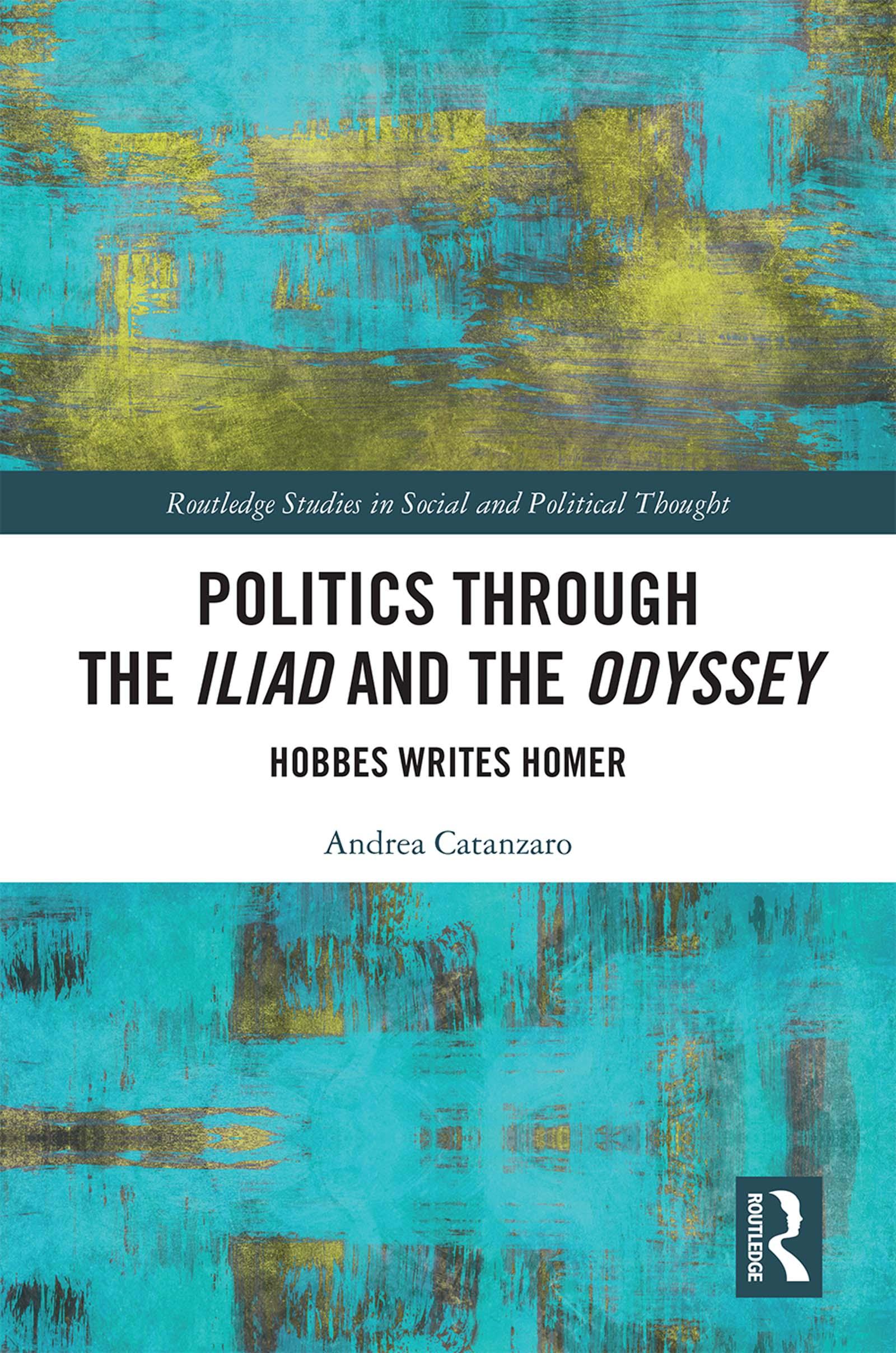
Facing censorship and being confined to the fringes of the political debate of his time, Thomas Hobbes turned his attention to translating Homer’s Iliad and the Odyssey from Greek into English. Many have not considered enough the usefulness of these translations. In this book, Andrea Catanzaro analyses the political value of Hobbes’ translations of Homer’s works and exposes the existence of a link between the translations and the previous works of the Malmesbury philosopher. In doing so, he asks:
• What new information concerning Hobbes' political and philosophical thought can be rendered from mere translation?
• What new offerings can a man in his eighties at the time offer, having widely explained his political ideas in numerous famous essays and treatises?
• What new elements can be deduced in a text that was well-known in England and where there were better versions than the ones produced by Hobbes?
Andrea Catanzaro’s commentary and theoretical interpretation offers an incentive to study Hobbes lesser known works in the wider development of Western political philosophy and the history of political thought.
Płać wygodnie kartą, Klarną, Apple Pay lub Google Pay. Nie jesteś zadowolony? Zawsze masz 14-dniową gwarancję zwrotu pieniędzy. Więcej przeczytasz w naszych warunkach. Masz pytania? Napisz do nas na hello@memmo.org.
Memmo ułatwia naukę – gdziekolwiek jesteś na świecie. U nas znajdziesz podręczniki i sprytne narzędzia do nauki w jednym miejscu: streszczenia, quizy, podcasty i fiszki. A do tego Ted, Twój kumpel do nauki, który odpowie na wszystko, co Cię nurtuje. Ponad 50 000 studentów już tu się uczy – stworzone, byś uczył się szybciej i mniej stresował.