
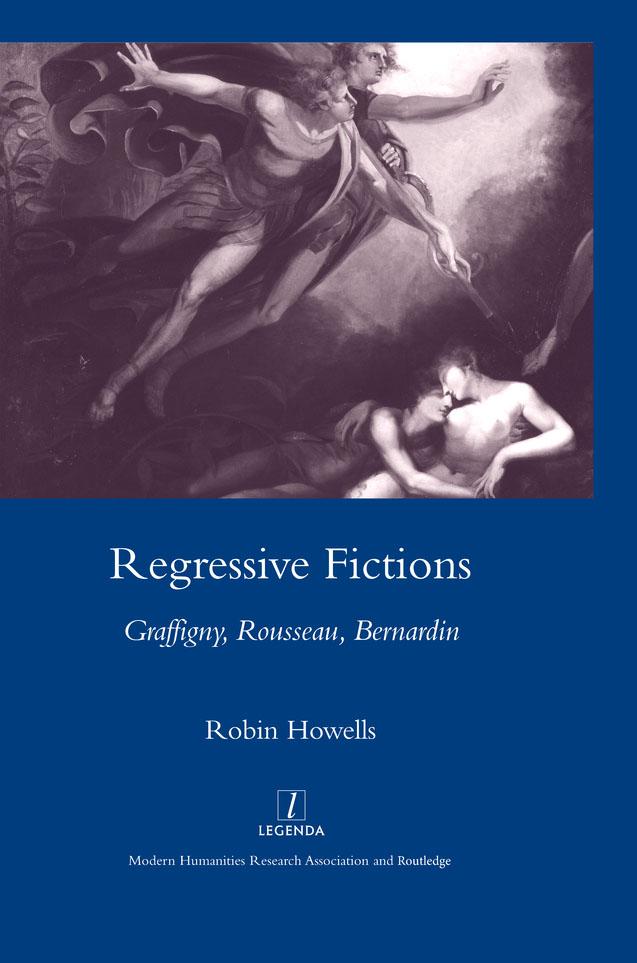
"In a cultural shift around the mid-point of the French eighteenth century, the mode of wit is increasingly displaced by bourgeois pathos. Social sophistication and sexual experience are rejected in favour of a retreat into ideal imagination. Instead of the novel of worldliness, we encounter fictions of better worlds: original, natural, familial, innocent and harmonious, protected against reality and time. The regressive shift is traced in this study in general terms, and then through detailed analysis of three of the best-selling novels of the period. The turning-point is represented by Mme de Graffignys Lettres dune Peruvienne (1747, 1752) with its profound ambivalence towards knowledge. A new order is revealed and set out, but still declared lacking, in Rousseaus Julie, ou la Nouvelle Heloise (1761). The visionary return to the organic wholeness of nature is offered by Bernardins Paul et Virginie (1788)."
Płać wygodnie kartą, Klarną, Apple Pay lub Google Pay. Nie jesteś zadowolony? Zawsze masz 14-dniową gwarancję zwrotu pieniędzy. Więcej przeczytasz w naszych warunkach. Masz pytania? Napisz do nas na hello@memmo.org.
Memmo ułatwia naukę – gdziekolwiek jesteś na świecie. U nas znajdziesz podręczniki i sprytne narzędzia do nauki w jednym miejscu: streszczenia, quizy, podcasty i fiszki. A do tego Ted, Twój kumpel do nauki, który odpowie na wszystko, co Cię nurtuje. Ponad 50 000 studentów już tu się uczy – stworzone, byś uczył się szybciej i mniej stresował.
Może Ci się spodobać
Kup książkę0