
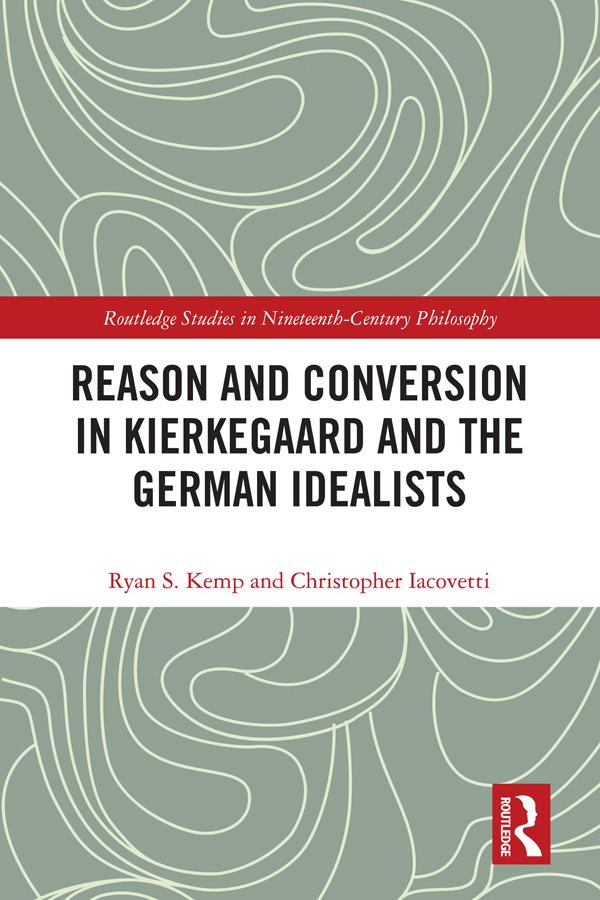
In his late work Religion within the Boundaries of Mere Reason, Immanuel Kant struggles to answer a straightforward, yet surprisingly difficult, question: how is radical conversion—a complete reorientation of a person’s most deeply held values—possible? In this book, Ryan S. Kemp and Christopher Iacovetti examine how this question gets taken up by Kant’s philosophical heirs: Schelling, Fichte, Hegel and Kierkegaard. More than simply developing a novel account of each thinker’s position, Kemp and Iacovetti trace how each philosopher formulates his theory in response to tensions in preceding views, culminating in Kierkegaard’s claim that radical conversion lies outside a person’s control. Kemp and Iacovetti close by examining some of the moral-psychological implications of Kierkegaard’s account, particularly the question of how someone might responsibly relate to values that have, by their own admission, been acquired in contingent and accidental fashion.
Płać wygodnie kartą, Klarną, Apple Pay lub Google Pay. Nie jesteś zadowolony? Zawsze masz 14-dniową gwarancję zwrotu pieniędzy. Więcej przeczytasz w naszych warunkach. Masz pytania? Napisz do nas na hello@memmo.org.
Memmo ułatwia naukę – gdziekolwiek jesteś na świecie. U nas znajdziesz podręczniki i sprytne narzędzia do nauki w jednym miejscu: streszczenia, quizy, podcasty i fiszki. A do tego Ted, Twój kumpel do nauki, który odpowie na wszystko, co Cię nurtuje. Ponad 50 000 studentów już tu się uczy – stworzone, byś uczył się szybciej i mniej stresował.