
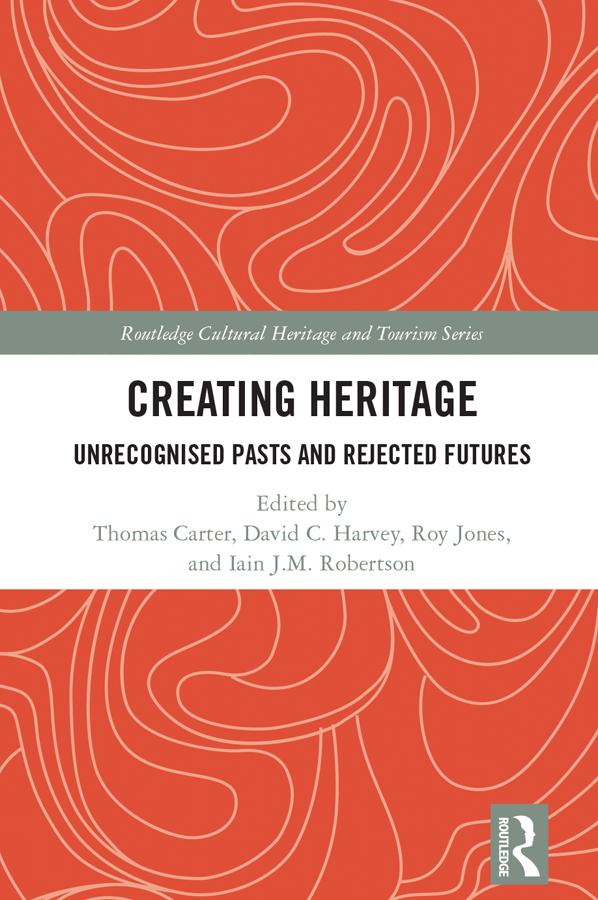
This book investigates the selection process of heritagisation to understand what specific pasts are being selected or rejected for representation, who is selecting them, how and to whom they are being represented and why they are being presented, or dismissed, in the ways that they are.
Some aspects of our pasts are venerated and memorialised for a variety of reasons, while others are forgotten or even hidden. This volume, thus, provides examples from across a spectrum. Some phenomena are well-suited to heritagisation, such as animals memorialised for their bravery, long past agricultural techniques and implements, and impressive landscapes. However, this book also deals with products (e.g. tobacco), historical periods (e.g. the Third Reich) and scientific techniques (e.g. genetic modification) with negative connotations that extend beyond their heritage attributes.
This volume considers how the actors in the heritage industry admit, valorise, prioritise and rationalise historic resources as heritage products. These findings provide practical examples of how heritage institutions privilege, frame and/or exclude a wide range of heritage items. They also contrast the invocations of sectional (local, national or class based) and more cosmopolitan heritages and consider the extent to which innovation and change are or can be acknowledged within the heritage discourse.
Płać wygodnie kartą, Klarną, Apple Pay lub Google Pay. Nie jesteś zadowolony? Zawsze masz 14-dniową gwarancję zwrotu pieniędzy. Więcej przeczytasz w naszych warunkach. Masz pytania? Napisz do nas na hello@memmo.org.
Memmo ułatwia naukę – gdziekolwiek jesteś na świecie. U nas znajdziesz podręczniki i sprytne narzędzia do nauki w jednym miejscu: streszczenia, quizy, podcasty i fiszki. A do tego Ted, Twój kumpel do nauki, który odpowie na wszystko, co Cię nurtuje. Ponad 50 000 studentów już tu się uczy – stworzone, byś uczył się szybciej i mniej stresował.