
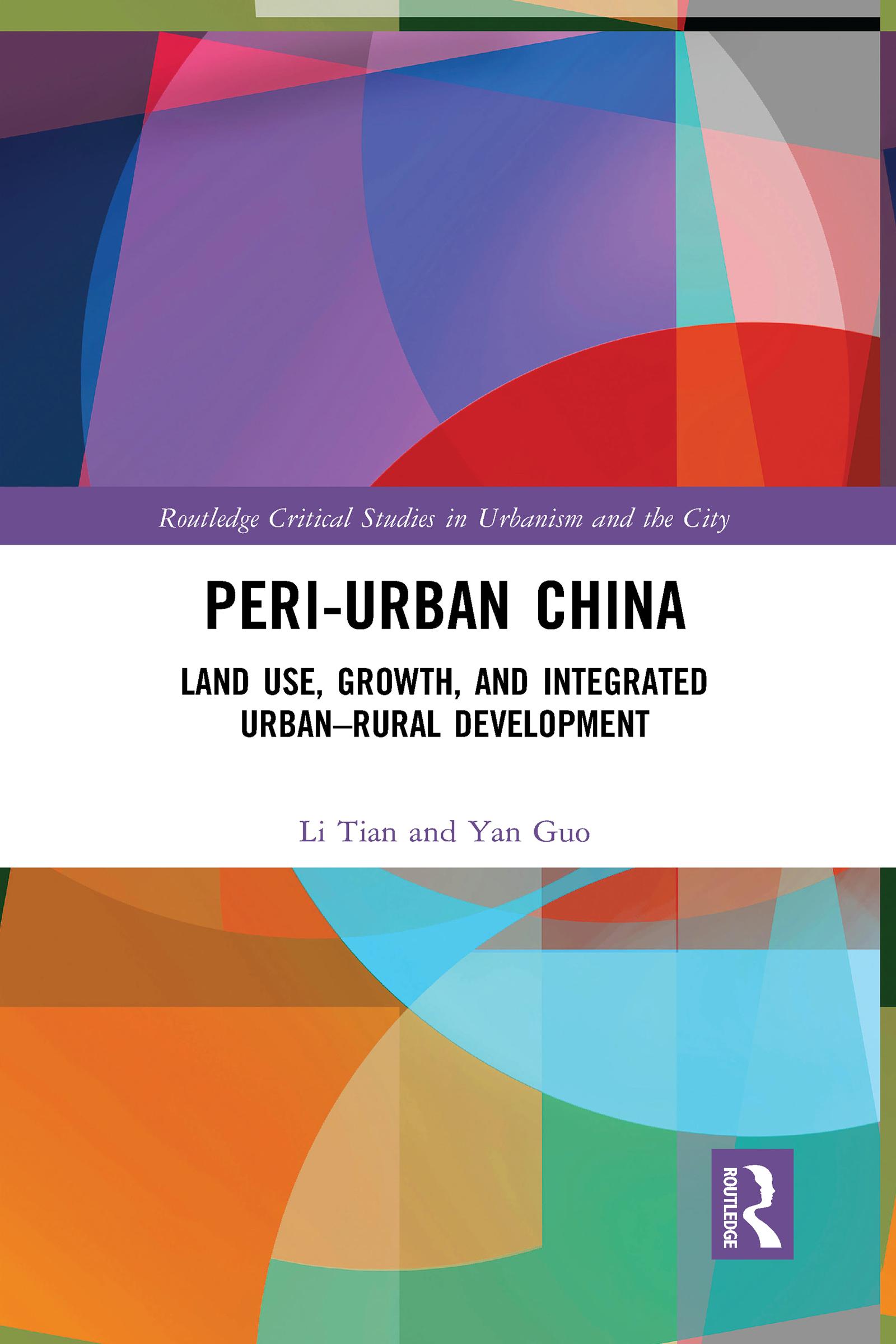
The urban-rural relationship in China is key to a sustainable global future. This book is particularly interested in peri-urbanization in China, the process by which fringe areas of cities develop.
Recent institutional change has helped clarify property rights over collective land, facilitating peri-urban area development. Chapters in this book explore how rural industrialization has changed the landscape and rules about land use in peri-urban areas. It looks at the role of rural industrialization and provides a detailed exploration of peri-urbanization theory, policy, and its evolution in China. Leading discussions find out how fragmented bottom-up industrialization, urbanization, and lax governance have led to a series of social and environmental problems. The progress in redevelopment of peri-urban areas was initially slow due to the spatial lock-in effect. This book offers practical solutions to environmental issues and explains how policymakers have the potential to redevelop a future collaborative, inclusive, and sustainable approach to peri-urban areas.
This in-depth approach to urbanization will be useful to academics in urban planning and governmental organizations. It will also be advantageous to NGOs and professionals involved in urban planning, public administration, as well as land-use work in China and other developing countries.
Płać wygodnie kartą, Klarną, Apple Pay lub Google Pay. Nie jesteś zadowolony? Zawsze masz 14-dniową gwarancję zwrotu pieniędzy. Więcej przeczytasz w naszych warunkach. Masz pytania? Napisz do nas na hello@memmo.org.
Memmo ułatwia naukę – gdziekolwiek jesteś na świecie. U nas znajdziesz podręczniki i sprytne narzędzia do nauki w jednym miejscu: streszczenia, quizy, podcasty i fiszki. A do tego Ted, Twój kumpel do nauki, który odpowie na wszystko, co Cię nurtuje. Ponad 50 000 studentów już tu się uczy – stworzone, byś uczył się szybciej i mniej stresował.