
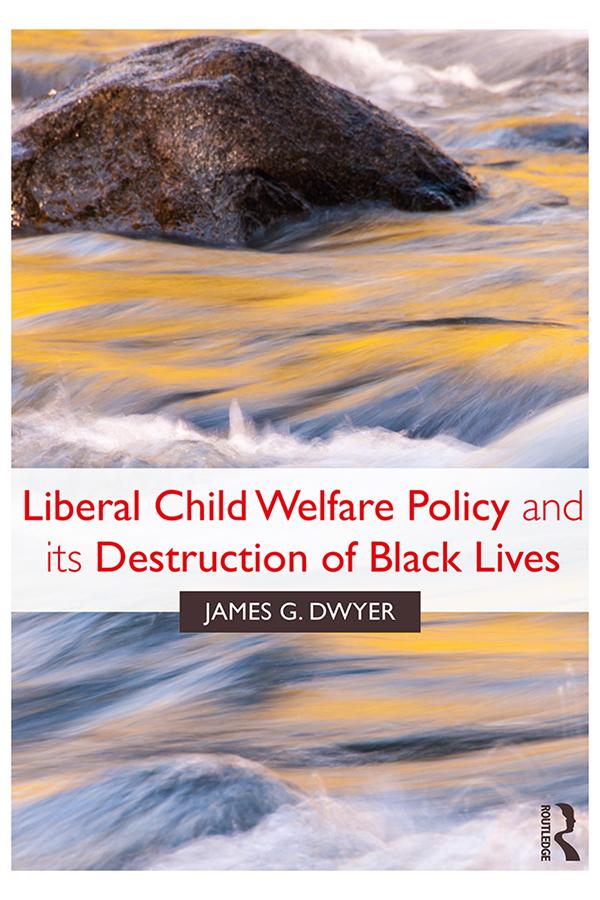
How can we end the inter-generational cycle of poverty and dysfunction in the US's urban ghettos?
This ground-breaking and controversial book is the first to provide a child-centered perspective on the subject by combining a wealth of social science information with sophisticated normative analysis to support novel reforms—to child protection law and practice, family law, and zoning— that would quickly end that cycle.
The rub is that the reforms needed would entail further suffering and loss of liberty for adults in these communities, and liberal advocacy organizations and academics are so adult-centered in their sympathies and thinking that they reflexively oppose any such measures. Liberals have instead promoted one ineffectual parent-focused program after another, in an ideologically-driven quest for the magic pill that can save both adults and children in these communities at the same time.
This `insider critique’ of liberal child welfare policy reveals a dilemma that liberals have yet to face squarely: there is an ineradicable conflict of interests between many young children and their parents, especially in areas of concentrated poverty, and one must choose sides.
It is a must read for legal academics, political scientists, urban policy experts, as well as professionals working in social work, law, education, urban planning, legislative offices, and administrative agencies.
Płać wygodnie kartą, Klarną, Apple Pay lub Google Pay. Nie jesteś zadowolony? Zawsze masz 14-dniową gwarancję zwrotu pieniędzy. Więcej przeczytasz w naszych warunkach. Masz pytania? Napisz do nas na hello@memmo.org.
Memmo ułatwia naukę – gdziekolwiek jesteś na świecie. U nas znajdziesz podręczniki i sprytne narzędzia do nauki w jednym miejscu: streszczenia, quizy, podcasty i fiszki. A do tego Ted, Twój kumpel do nauki, który odpowie na wszystko, co Cię nurtuje. Ponad 50 000 studentów już tu się uczy – stworzone, byś uczył się szybciej i mniej stresował.