
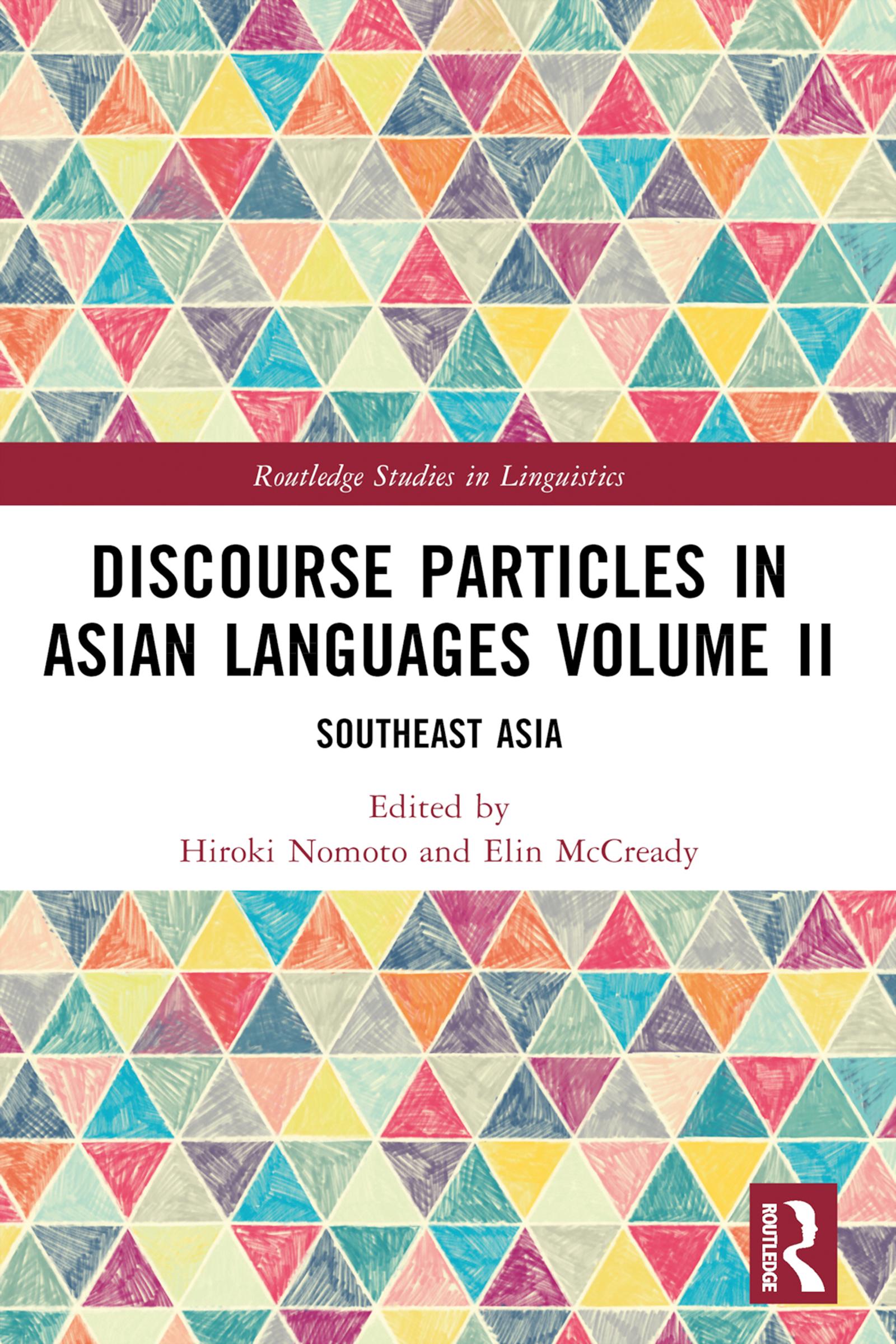
This volume is the second in a two-part collection of research on discourse particles focusing exclusively on the languages of Asia from the perspective of formal as well as non-formal semantics and pragmatics.
Despite increasing interest in discourse particles, most research in the area (particularly within formal semantics and pragmatics) focuses on a restricted set of languages, and there has been little consensus on the proper formal treatment of particles. The term "discourse particles" has been used to cover a broad range of phenomena, including such things as "sentence-final particles," "discourse adverbs," and other related phenomena. In recent years, there has been extensive development of the formal approach to discourse particles, which often treats these words as devices for marking information updates. It is vital however, to extend this data to non-Western languages, like Malay, Thai, or Vietnamese. These two volumes are the first to give an exclusive focus on particles in non-European languages (in this case, Asian languages), from the perspective of formal and non-formal semantics and pragmatics. This second volume includes chapters on Tagalog, Kimaragang Dusun (Malaysia), Malay, Singlish (Colloquial Singapore English), Thai, and Vietnamese. The chapters are informed by recent theoretical work in formal and non-formal semantics and pragmatics relating to the meaning of particles. The collection contributes to our theoretical understanding of the meaning of discourse particles and to empirical knowledge of discourse particles in the languages of Asia. It will be of interest to postgraduate students and scholars of semantics and pragmatics.
Płać wygodnie kartą, Klarną, Apple Pay lub Google Pay. Nie jesteś zadowolony? Zawsze masz 14-dniową gwarancję zwrotu pieniędzy. Więcej przeczytasz w naszych warunkach. Masz pytania? Napisz do nas na hello@memmo.org.
Memmo ułatwia naukę – gdziekolwiek jesteś na świecie. U nas znajdziesz podręczniki i sprytne narzędzia do nauki w jednym miejscu: streszczenia, quizy, podcasty i fiszki. A do tego Ted, Twój kumpel do nauki, który odpowie na wszystko, co Cię nurtuje. Ponad 50 000 studentów już tu się uczy – stworzone, byś uczył się szybciej i mniej stresował.