
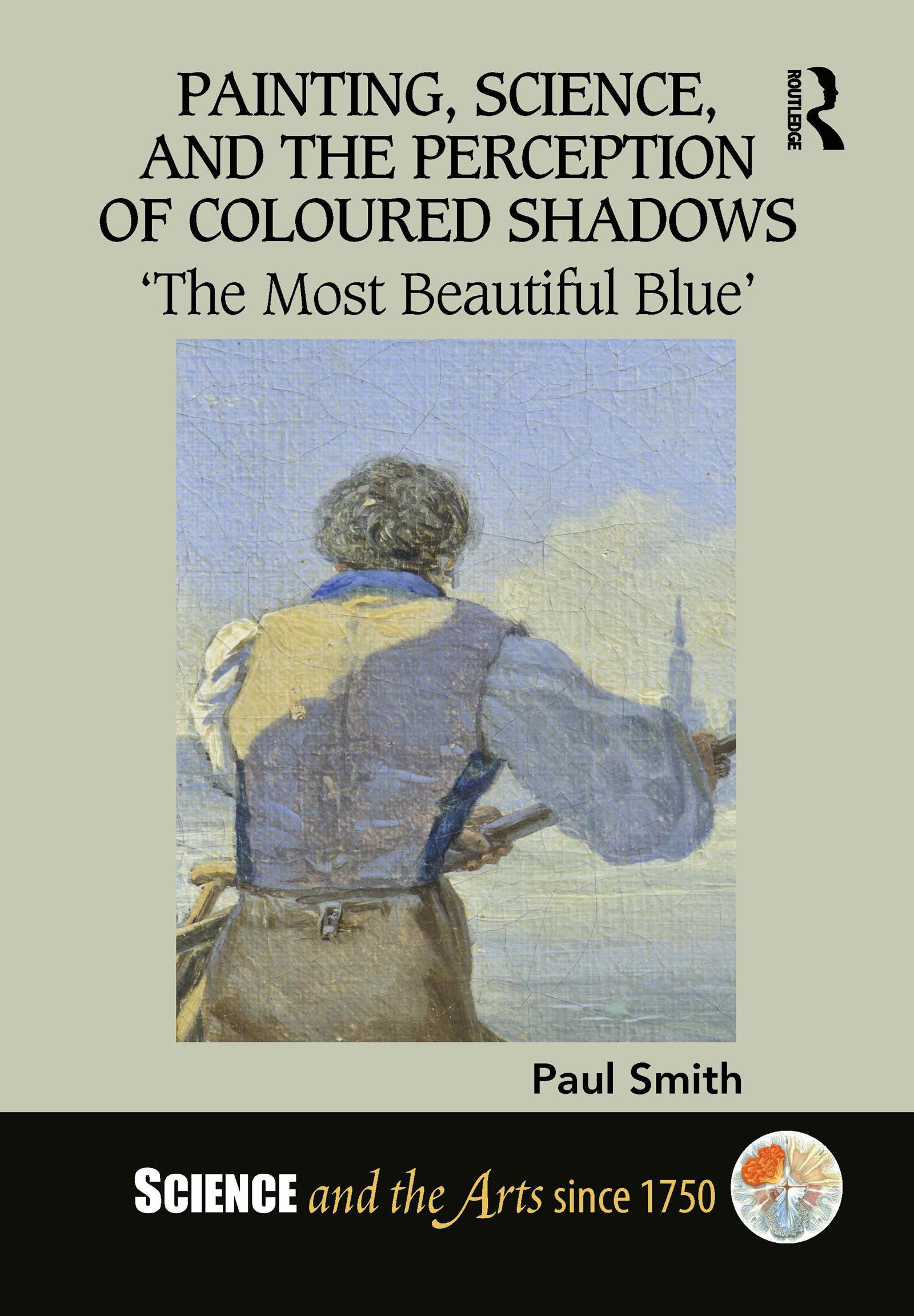
Many artists and scientists – including Buffon, Goethe, and Philipp Otto Runge – who observed the vividly coloured shadows that appear outdoors around dawn and dusk, or indoors when a candle burns under waning daylight, chose to describe their colours as ‘beautiful’.
Paul Smith explains what makes these ephemeral effects worthy of such appreciation – or how depictions of coloured shadows have genuine aesthetic and epistemological significance. This multidisciplinary book synthesises methodologies drawn from art history (close pictorial analysis), psychology and neuroscience (theories of colour constancy), history of science (the changing paradigms used to explain coloured shadows), and philosophy (theories of perception and aesthetic value drawn from Wittgenstein and Merleau-Ponty).
This title will be of interest to scholars in art history, art theory, and the history of science and technology.
Płać wygodnie kartą, Klarną, Apple Pay lub Google Pay. Nie jesteś zadowolony? Zawsze masz 14-dniową gwarancję zwrotu pieniędzy. Więcej przeczytasz w naszych warunkach. Masz pytania? Napisz do nas na hello@memmo.org.
Memmo ułatwia naukę – gdziekolwiek jesteś na świecie. U nas znajdziesz podręczniki i sprytne narzędzia do nauki w jednym miejscu: streszczenia, quizy, podcasty i fiszki. A do tego Ted, Twój kumpel do nauki, który odpowie na wszystko, co Cię nurtuje. Ponad 50 000 studentów już tu się uczy – stworzone, byś uczył się szybciej i mniej stresował.