
Zanim poznałem Memmo, moje notatki były rozrzucone po PDF-ach. Teraz obszar roboczy zbiera wszystko w jednym miejscu — widzę dokładnie, co jeszcze muszę powtórzyć.
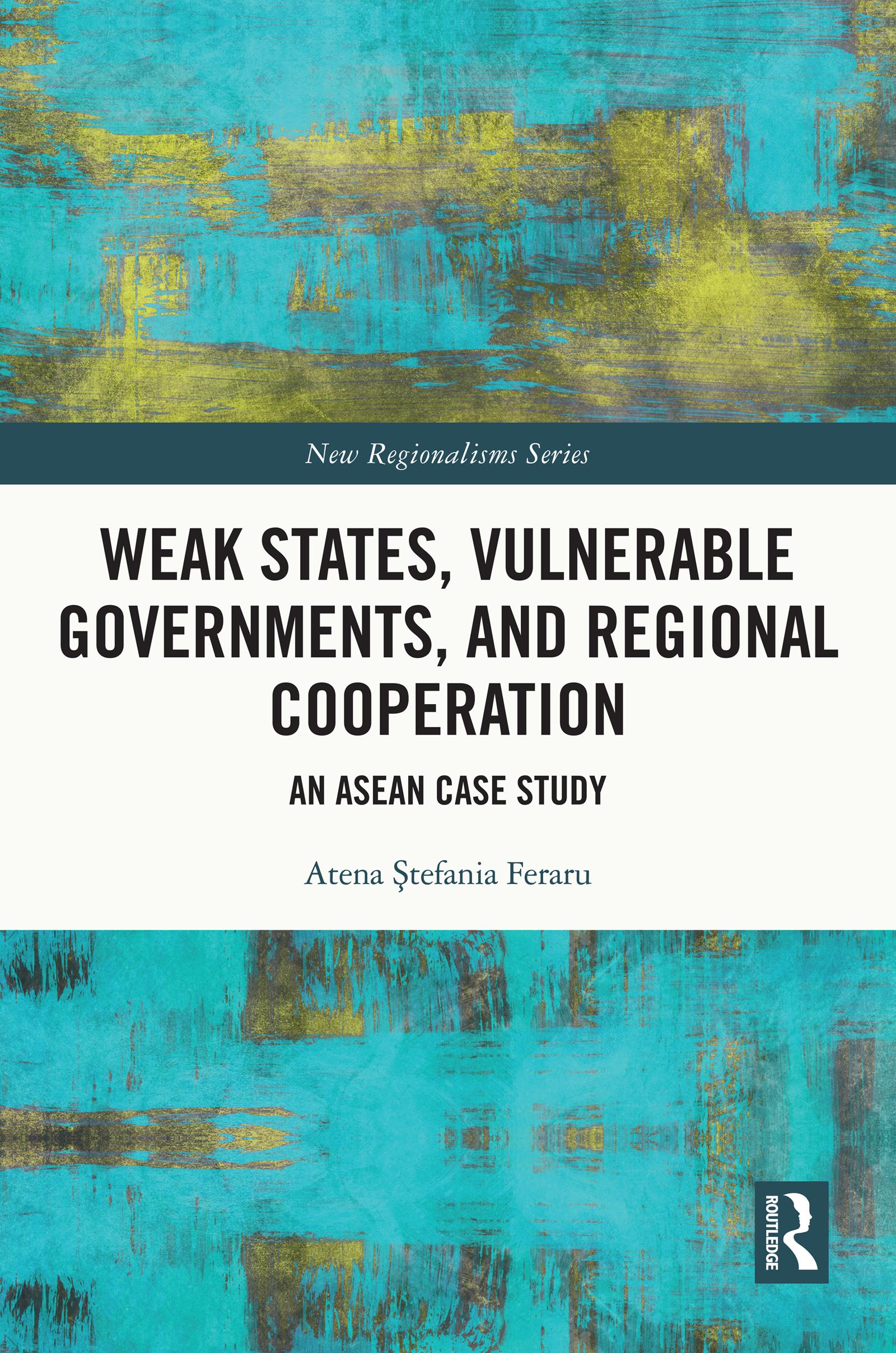
War, famine, poverty, organized crime, environmental catastrophes, refugees, epidemics and pandemics, modern slavery – all these affect people in the non-Western world to an increasingly disproportionate extent. It is also where wealthy governments wield economic leverage and military force to renegotiate existing norms of international relations. Under these circumstances, it is difficult to overestimate the importance and urgency of comprehending the mechanisms and motivations driving these phenomena.
This book is the outcome of a decade-long effort to advance both theoretical and empirical understanding of what motivates non-Western governments’ decisions to cooperate/not cooperate regionally. It starts by acknowledging the Western-centrism of prevailing international relations theories, abandoning deeply entrenched assumptions regarding the nature and roles of states, and redefining state weakness. The inquiry continues by elaborating this new concept and applying it to Southeast Asian polities while positing that it creates governments vulnerable to internal and external threats, in line with Joel S. Migdal’s well-known findings on the topic. A set of regional cooperation strategies is then inferred, based on the survival needs of insecure governing elites and its empirical validity is tested against the experience of regional organizations in Africa, Asia, and the Americas.
The second part of the book provides an in-depth examination of how Southeast Asian governments’ shared security needs and interests shaped the emergence of the identified regional cooperation pattern and its evolution over 50 years of cooperation within the Association of Southeast Asian Nations (ASEAN). Overall, this book is a call to international relations scholars to do our part in understanding non-Western experiences and making a substantive contribution to addressing humanity’s most intractable security threats.
Zanim poznałem Memmo, moje notatki były rozrzucone po PDF-ach. Teraz obszar roboczy zbiera wszystko w jednym miejscu — widzę dokładnie, co jeszcze muszę powtórzyć.
Podsumowania Memmo to złoto przed egzaminami. Nie muszę czytać 800 stron dwa tygodnie wcześniej — tylko to, co najważniejsze.
Czat AI uratował mnie niejeden raz w noc przed egzaminem. Pytam, dopóki nie zrozumiem — i nie muszę czekać na odpowiedź od grupy studyjnej.
Quizy trafiają w punkt, jeśli chodzi o to, co muszę wiedzieć. Memmo śledzi, na czym się zacinam — więc ćwiczę tylko to, co naprawdę się liczy.
Fiszki z powtórkami rozłożonymi w czasie to magia. Memmo wie, kiedy mam coś zapomnieć i przypomina mi o tym.
Podcasty AI to mój faworyt. Słucham w drodze do szkoły i powtarzam materiał, nie siedząc przed komputerem.

Handbok i kvalitativa metoder
281 kr

Hållbar utveckling: en introduktion för ingenjörer och andra problemlösare
334 kr

Brymans Samhällsvetenskapliga metoder
390 kr

Projektledning
491 kr

Den orättvisa hälsan: om socioekonomiska skillnader i hälsa och livslängd
326 kr

Organizational Leadership
429 kr

Vetenskapsteori för nybörjare
196 kr

På väg mot läraryrket
172 kr

Det sociala livet i skolan: Socialpsykologiska perspektiv
253 kr

Betygsättningens didaktik
151 kr

Personality
402 kr

Studying Leadership
404 kr

Managing Innovation
477 kr

Introduktion till samhällsvetenskaplig metod
347 kr

The Psychology of Sex and Gender
698 kr

Evidens och kunskap för socialt arbete
207 kr

Introduction to Leadership
605 kr