
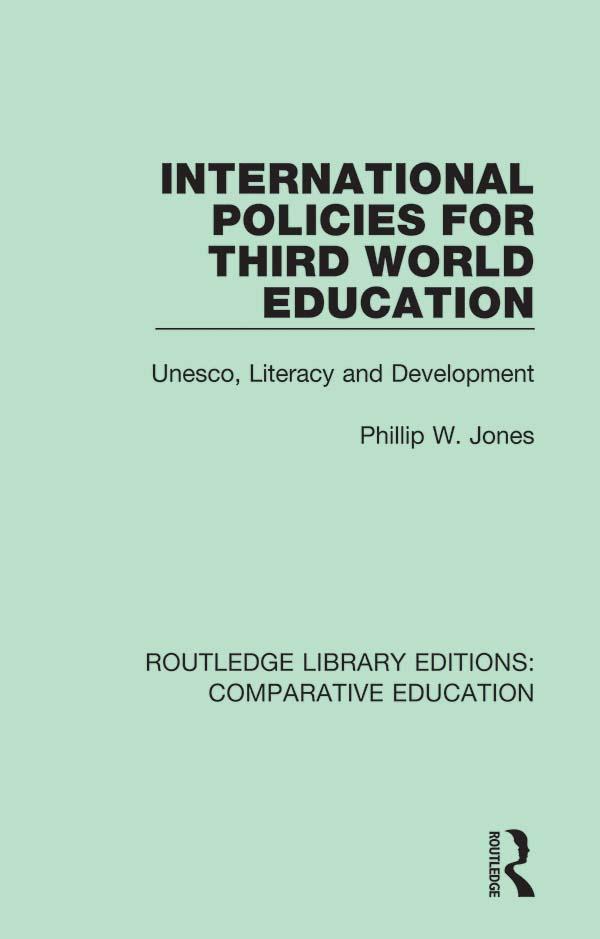
Originally published in 1988. Bringing the world close to universal literacy will be a major legacy of the twentieth century. But the rapid and widespread developments in education that have enabled this to happen have not taken place in a social and political vacuum. In some instances conditions conducive to mass literacy have only come about through popular revolution or rapid economic development, but a less spectacular and frequently less tangible role has been played by a number of international agencies. The most prominent of these is Unesco, which has had the goal of global literacy at the heart of its endeavours ever since its foundation in 1946. Agreement on the best means of achieving this goal, however, has been very difficult to come by, and Unesco's literacy program has been shaped by internal and external politics as well as by local exigencies. This book outlines how Unesco's literacy program has evolved, and by discussing how idealistic aims and intentions have been given shape and direction by more immediate political and bureaucratic concerns provides a critique, in miniature, of the post-war history of the United Nations and related organisations.
Płać wygodnie kartą, Klarną, Apple Pay lub Google Pay. Nie jesteś zadowolony? Zawsze masz 14-dniową gwarancję zwrotu pieniędzy. Więcej przeczytasz w naszych warunkach. Masz pytania? Napisz do nas na hello@memmo.org.
Memmo ułatwia naukę – gdziekolwiek jesteś na świecie. U nas znajdziesz podręczniki i sprytne narzędzia do nauki w jednym miejscu: streszczenia, quizy, podcasty i fiszki. A do tego Ted, Twój kumpel do nauki, który odpowie na wszystko, co Cię nurtuje. Ponad 50 000 studentów już tu się uczy – stworzone, byś uczył się szybciej i mniej stresował.