
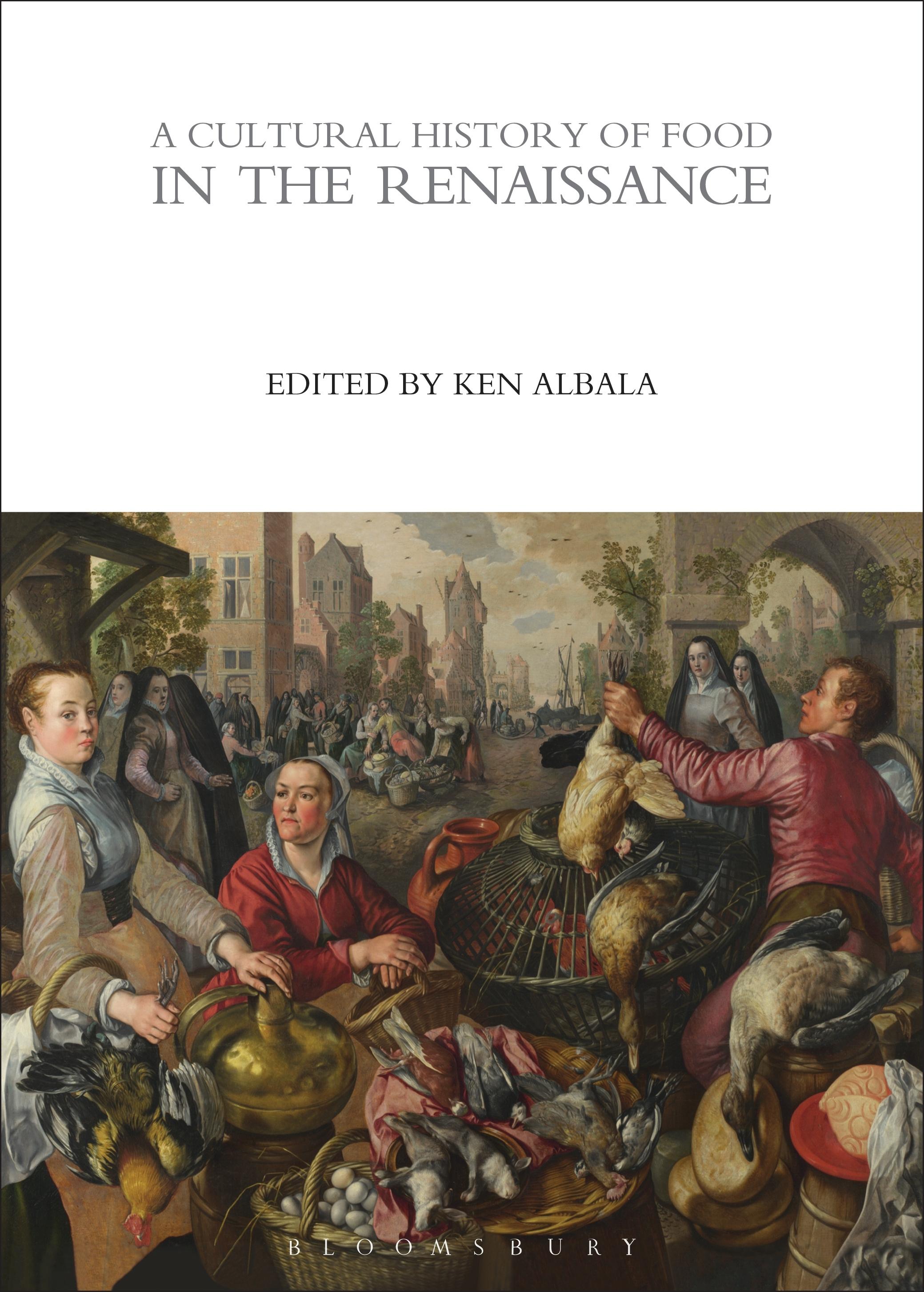
Food and attitudes toward it were transformed in Renaissance Europe. The period between 1300 and 1600 saw the discovery of the New World and the cultivation of new foodstuffs, as well as the efflorescence of culinary literature in European courts and eventually in the popular press, and most importantly the transformation of the economy on a global scale. Food became the object of rigorous investigation among physicians, theologians, agronomists and even poets and artists. Concern with eating was, in fact, central to the cultural dynamism we now recognize as the Renaissance.
A Cultural History of Food in the Renaissance presents an overview of the period with essays on food production, food systems, food security, safety and crises, food and politics, eating out, professional cooking, kitchens and service work, family and domesticity, body and soul, representations of food, and developments in food production and consumption globally.
A Cultural History of Food in the Renaissance presents an overview of the period with essays on food production, food systems, food security, safety and crises, food and politics, eating out, professional cooking, kitchens and service work, family and domesticity, body and soul, representations of food, and developments in food production and consumption globally.
Płać wygodnie kartą, Klarną, Apple Pay lub Google Pay. Nie jesteś zadowolony? Zawsze masz 14-dniową gwarancję zwrotu pieniędzy. Więcej przeczytasz w naszych warunkach. Masz pytania? Napisz do nas na hello@memmo.org.
Memmo ułatwia naukę – gdziekolwiek jesteś na świecie. U nas znajdziesz podręczniki i sprytne narzędzia do nauki w jednym miejscu: streszczenia, quizy, podcasty i fiszki. A do tego Ted, Twój kumpel do nauki, który odpowie na wszystko, co Cię nurtuje. Ponad 50 000 studentów już tu się uczy – stworzone, byś uczył się szybciej i mniej stresował.