
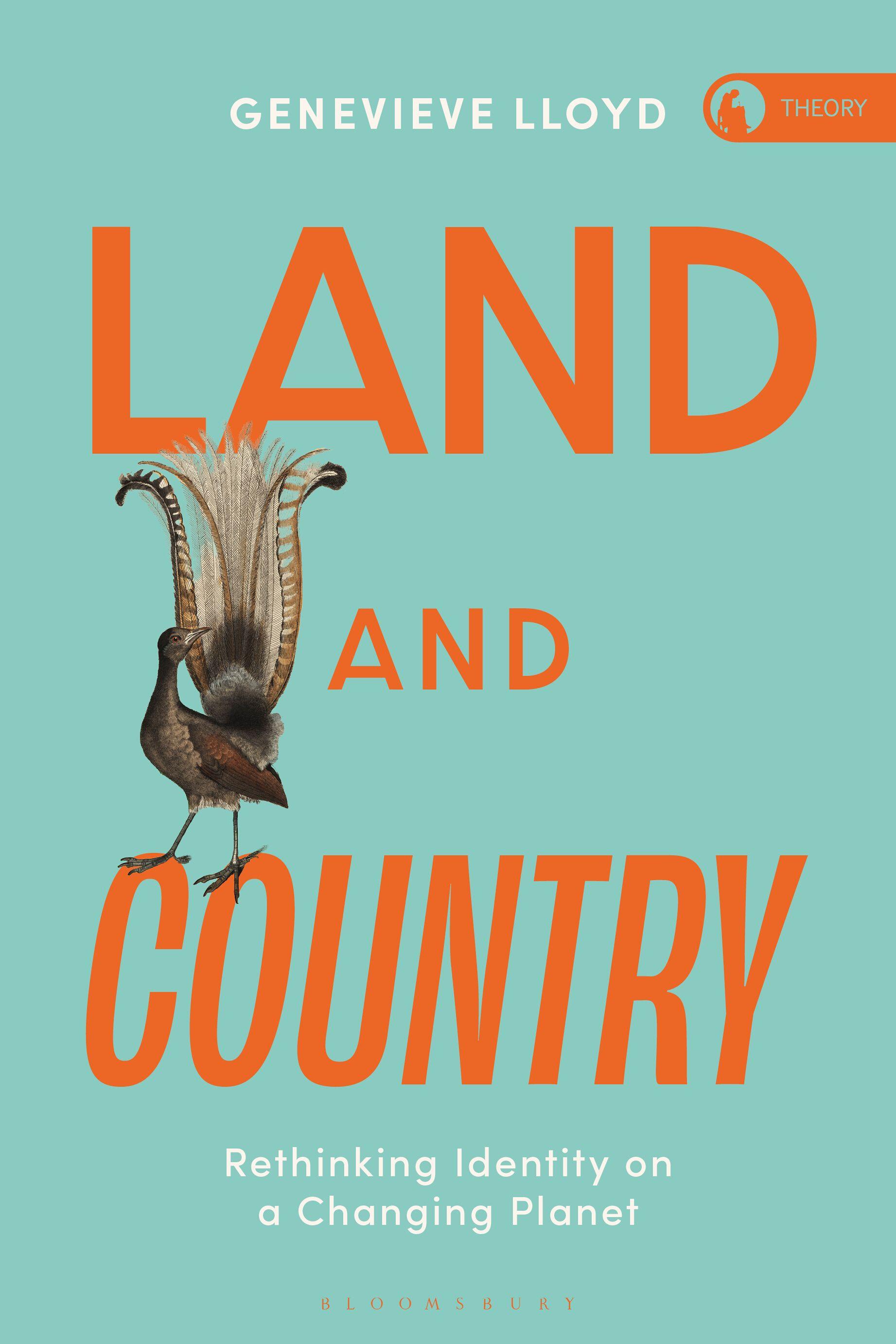
Land and Country brings philosophical thought into direct engagement with Australia's contested debates on identity, sovereignty, and belonging.
Drawing on the author's family history of convict descent, and expounding on the thorny and variegated web of relations that determine the Australian past and present, this book traces the intersection of ancestral lives with the violence of settlement: land grants on stolen Country, frontier conflict, the Appin massacre, and the shifting cultural meanings of convict shame and pride. Beneath these stories lies a deeper inquiry: what does it mean to pursue family history as an act of truth-telling in a nation still struggling to reckon with its own past?
Interweaving political philosophy, feminist critique, and intellectual history, Lloyd examines the conceptual frameworks that continue to shape national debate – whiteness and multiculturalism; Enlightenment ideas of property and progress; the emotional dynamics of guilt, shame, pride, and responsibility; and the colonial mindset that persists in public discourse. She brings Locke, Kant and Spinoza into dialogue with Indigenous critiques of sovereignty, and explores how contemporary First Nations storytelling and visual practice unsettle colonial narratives and offer new imaginative “entry points” into shared truths about Country, climate change, and coexistence.
This intervention from one of Australia's most eminent contemporary philosophers is especially germane in the wake of the rejection of the 2023 referendum on a constitutionally enshrined indigenous 'Voice' to government: its principal objective is to make a philosophical contribution to the path towards indigenous recognition and national reconciliation. Part memoir, part philosophy, part cultural criticism, this book offers a compelling contribution to ongoing truth-telling, and to the still-unfinished task of imagining a just future between First Nations and non-Indigenous Australians.
Drawing on the author's family history of convict descent, and expounding on the thorny and variegated web of relations that determine the Australian past and present, this book traces the intersection of ancestral lives with the violence of settlement: land grants on stolen Country, frontier conflict, the Appin massacre, and the shifting cultural meanings of convict shame and pride. Beneath these stories lies a deeper inquiry: what does it mean to pursue family history as an act of truth-telling in a nation still struggling to reckon with its own past?
Interweaving political philosophy, feminist critique, and intellectual history, Lloyd examines the conceptual frameworks that continue to shape national debate – whiteness and multiculturalism; Enlightenment ideas of property and progress; the emotional dynamics of guilt, shame, pride, and responsibility; and the colonial mindset that persists in public discourse. She brings Locke, Kant and Spinoza into dialogue with Indigenous critiques of sovereignty, and explores how contemporary First Nations storytelling and visual practice unsettle colonial narratives and offer new imaginative “entry points” into shared truths about Country, climate change, and coexistence.
This intervention from one of Australia's most eminent contemporary philosophers is especially germane in the wake of the rejection of the 2023 referendum on a constitutionally enshrined indigenous 'Voice' to government: its principal objective is to make a philosophical contribution to the path towards indigenous recognition and national reconciliation. Part memoir, part philosophy, part cultural criticism, this book offers a compelling contribution to ongoing truth-telling, and to the still-unfinished task of imagining a just future between First Nations and non-Indigenous Australians.
Płać wygodnie kartą, Klarną, Apple Pay lub Google Pay. Nie jesteś zadowolony? Zawsze masz 14-dniową gwarancję zwrotu pieniędzy. Więcej przeczytasz w naszych warunkach. Masz pytania? Napisz do nas na hello@memmo.org.
Memmo ułatwia naukę – gdziekolwiek jesteś na świecie. U nas znajdziesz podręczniki i sprytne narzędzia do nauki w jednym miejscu: streszczenia, quizy, podcasty i fiszki. A do tego Ted, Twój kumpel do nauki, który odpowie na wszystko, co Cię nurtuje. Ponad 50 000 studentów już tu się uczy – stworzone, byś uczył się szybciej i mniej stresował.