
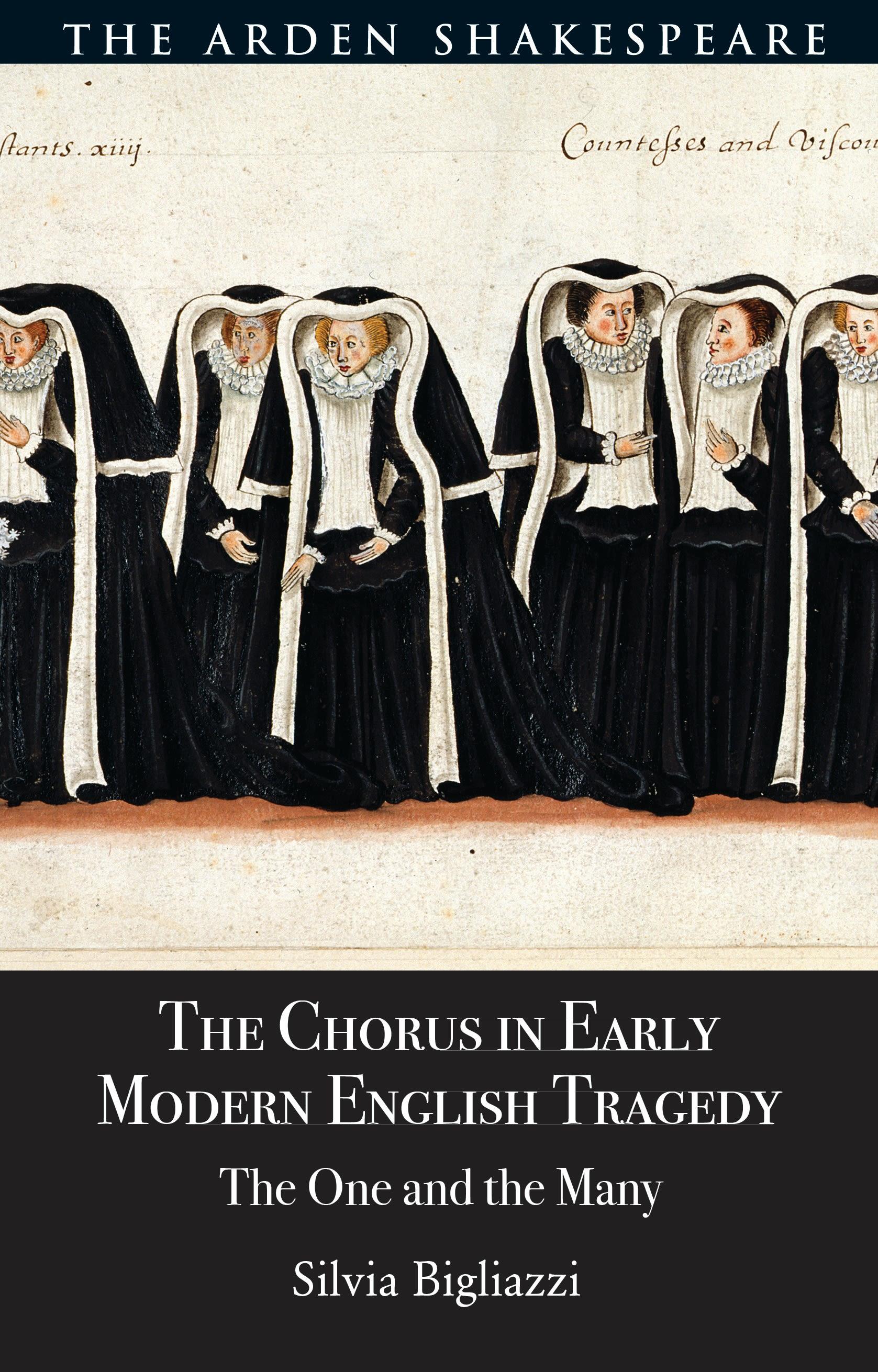
Silvia Bigliazzi explores the dynamics between the individual and the collective in 16th century English tragedies in this vibrant study of the chorus in early modern tragedy. Employing a comparative and interdisciplinary approach, Bigliazzi examines the performative, political and cultural implications of chorality in early modern English tragedy over five decades.
From the first English language translations of Seneca's play, Troas, Horace's Ars Poetica, and the reinvention of the Italo-Euripidean Jocasta to the use of prologue in plays like Romeo and Juliet and Pericles, Bigliazzi traces the appearance and transformation of the ancient Graeco-Roman chorus in early modern English theatre between the late 1590s to the mid-1590s. Through a reinterpretation of the ancient threnos/kommos and female lament to a regendering of collective or choric mourning in tragedies such as David and Bethsabe, Tamburlaine, Richard III and Romeo and Juliet. A nuanced understanding of tragedy and the politics of gendered choral performance emerges through a complex reworking of ancient models, where the essence of tragic drama was rooted in the interplay between the chorus and individual characters. From the early Inns of Court drama to Shakespeare, this study reveals a fresh understanding of early modern tragedy as part of a thrilling encounter between the ancient and the new.
From the first English language translations of Seneca's play, Troas, Horace's Ars Poetica, and the reinvention of the Italo-Euripidean Jocasta to the use of prologue in plays like Romeo and Juliet and Pericles, Bigliazzi traces the appearance and transformation of the ancient Graeco-Roman chorus in early modern English theatre between the late 1590s to the mid-1590s. Through a reinterpretation of the ancient threnos/kommos and female lament to a regendering of collective or choric mourning in tragedies such as David and Bethsabe, Tamburlaine, Richard III and Romeo and Juliet. A nuanced understanding of tragedy and the politics of gendered choral performance emerges through a complex reworking of ancient models, where the essence of tragic drama was rooted in the interplay between the chorus and individual characters. From the early Inns of Court drama to Shakespeare, this study reveals a fresh understanding of early modern tragedy as part of a thrilling encounter between the ancient and the new.
Strony: 328
Kategoria: Drama, Teater & Scenkonst
e-ISBN: 9781350591394
Waga przesyłki: 1.2 kg
Wysyłka w ciągu: 1-2 dni
Płać wygodnie kartą, Klarną, Apple Pay lub Google Pay. Nie jesteś zadowolony? Zawsze masz 14-dniową gwarancję zwrotu pieniędzy. Więcej przeczytasz w naszych warunkach. Masz pytania? Napisz do nas na hello@memmo.org.
Memmo ułatwia naukę – gdziekolwiek jesteś na świecie. U nas znajdziesz podręczniki i sprytne narzędzia do nauki w jednym miejscu: streszczenia, quizy, podcasty i fiszki. A do tego Ted, Twój kumpel do nauki, który odpowie na wszystko, co Cię nurtuje. Ponad 50 000 studentów już tu się uczy – stworzone, byś uczył się szybciej i mniej stresował.