
'If you were to find a speculator … he would find [in me] an excellent deal, as would I.' (Paul Gauguin to his then dealer, Theo Van Gogh, May 1890).
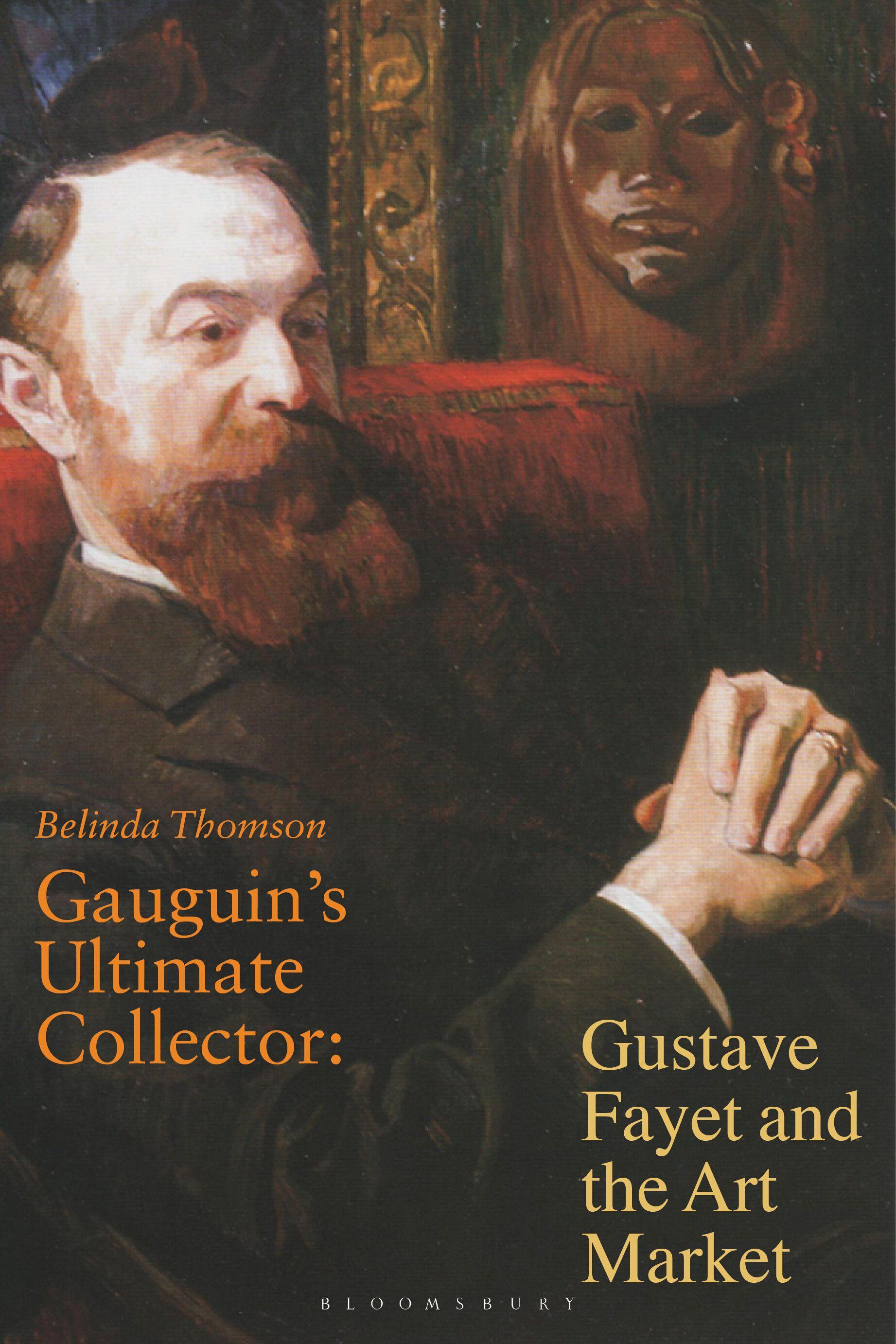
This book explores the remarkable commercial and personal relationship between Paul Gauguin and Gustave Fayet, the collector and entrepreneur whose championing of Gauguin's work helped secure the artist's legacy.
By the time they began corresponding around 1900, Gauguin had rejected Western materialism and was living in self-imposed exile in French Polynesia, far from the Paris art world. Although he had used his experience as a collector to help market his own work, he struggled with third-party dealers and had yet to establish himself as a leading figure of the modern art movement. Fayet, meanwhile, was a collector and wine grower. What, then, drew the artist to a man so rooted in the South of France? Belinda Thomson presents a comparative biographical narrative that reveals the unique dynamic between the two, exploring the psychological motivations behind their relationship against the backdrop of emerging modernism at the end of the 19th century.
Drawing on unprecedented access to the Fayet family archive, Thomson examines unpublished sources and presents case studies of key works Gauguin created specifically for Fayet. She explores the parallels between the two men: their positions within (and responses to) the art market, their artistic visions, and how these shaped their personal lives. The book offers valuable insight into Gauguin's final years and the formation of his legacy, while also highlighting the vital role Fayet played in the history of modern art and the rich artistic ecosystem that flourished in the South of France at the turn of the century.
This book explores the remarkable commercial and personal relationship between Paul Gauguin and Gustave Fayet, the collector and entrepreneur whose championing of Gauguin's work helped secure the artist's legacy.
By the time they began corresponding around 1900, Gauguin had rejected Western materialism and was living in self-imposed exile in French Polynesia, far from the Paris art world. Although he had used his experience as a collector to help market his own work, he struggled with third-party dealers and had yet to establish himself as a leading figure of the modern art movement. Fayet, meanwhile, was a collector and wine grower. What, then, drew the artist to a man so rooted in the South of France? Belinda Thomson presents a comparative biographical narrative that reveals the unique dynamic between the two, exploring the psychological motivations behind their relationship against the backdrop of emerging modernism at the end of the 19th century.
Drawing on unprecedented access to the Fayet family archive, Thomson examines unpublished sources and presents case studies of key works Gauguin created specifically for Fayet. She explores the parallels between the two men: their positions within (and responses to) the art market, their artistic visions, and how these shaped their personal lives. The book offers valuable insight into Gauguin's final years and the formation of his legacy, while also highlighting the vital role Fayet played in the history of modern art and the rich artistic ecosystem that flourished in the South of France at the turn of the century.
Strony: 288
Kategoria: Konst, Design & Fotografi
e-ISBN: 9781350563919
Waga przesyłki: 1.2 kg
Wysyłka w ciągu: 1-2 dni
Płać wygodnie kartą, Klarną, Apple Pay lub Google Pay. Nie jesteś zadowolony? Zawsze masz 14-dniową gwarancję zwrotu pieniędzy. Więcej przeczytasz w naszych warunkach. Masz pytania? Napisz do nas na hello@memmo.org.
Memmo ułatwia naukę – gdziekolwiek jesteś na świecie. U nas znajdziesz podręczniki i sprytne narzędzia do nauki w jednym miejscu: streszczenia, quizy, podcasty i fiszki. A do tego Ted, Twój kumpel do nauki, który odpowie na wszystko, co Cię nurtuje. Ponad 50 000 studentów już tu się uczy – stworzone, byś uczył się szybciej i mniej stresował.