
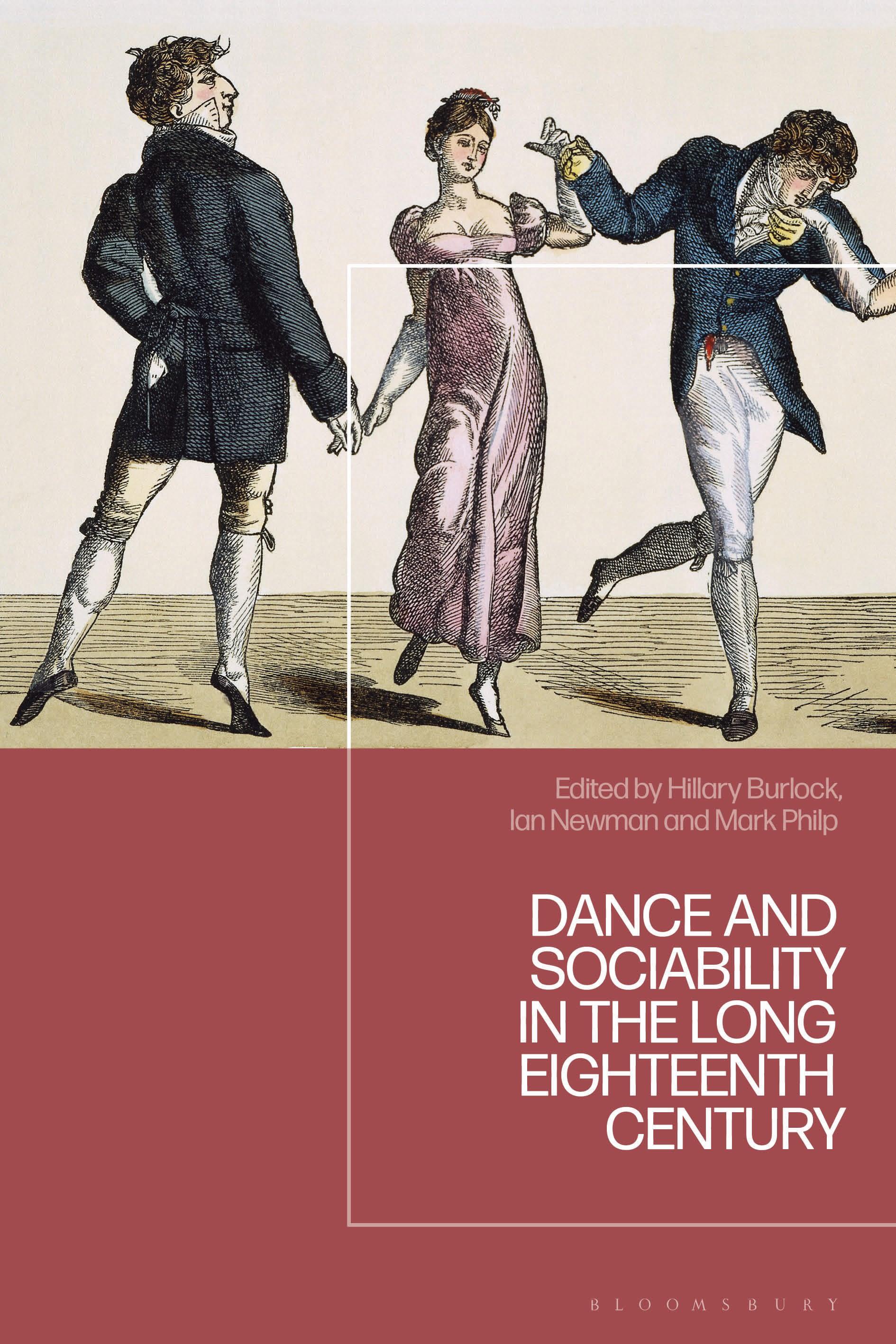
This collection challenges the dominant understandings of 18th-century sociability by placing dance, and the training and movement of the body, at its core. Rather than thinking of dance and music as peripheral ornaments to the complex business of Enlightenment society, it highlights them as important vehicles for the development and dissemination of the ideas and practices that shaped people's social, emotional and intellectual worlds.
Exploring the relationship between dance and sociability, and the development of both through the long 18th century, chapters in this collection span different practices in England, Scotland, colonial America, the West Indies, Germany, the Low Countries and Norway. Taking an interdisciplinary approach, they argue that dance, which was entangled with concerns about touch, dress and bodies, was integral to the ways in which 'enlightened sociability' was understood, performed and accepted.
Exploring the relationship between dance and sociability, and the development of both through the long 18th century, chapters in this collection span different practices in England, Scotland, colonial America, the West Indies, Germany, the Low Countries and Norway. Taking an interdisciplinary approach, they argue that dance, which was entangled with concerns about touch, dress and bodies, was integral to the ways in which 'enlightened sociability' was understood, performed and accepted.
Płać wygodnie kartą, Klarną, Apple Pay lub Google Pay. Nie jesteś zadowolony? Zawsze masz 14-dniową gwarancję zwrotu pieniędzy. Więcej przeczytasz w naszych warunkach. Masz pytania? Napisz do nas na hello@memmo.org.
Memmo ułatwia naukę – gdziekolwiek jesteś na świecie. U nas znajdziesz podręczniki i sprytne narzędzia do nauki w jednym miejscu: streszczenia, quizy, podcasty i fiszki. A do tego Ted, Twój kumpel do nauki, który odpowie na wszystko, co Cię nurtuje. Ponad 50 000 studentów już tu się uczy – stworzone, byś uczył się szybciej i mniej stresował.