
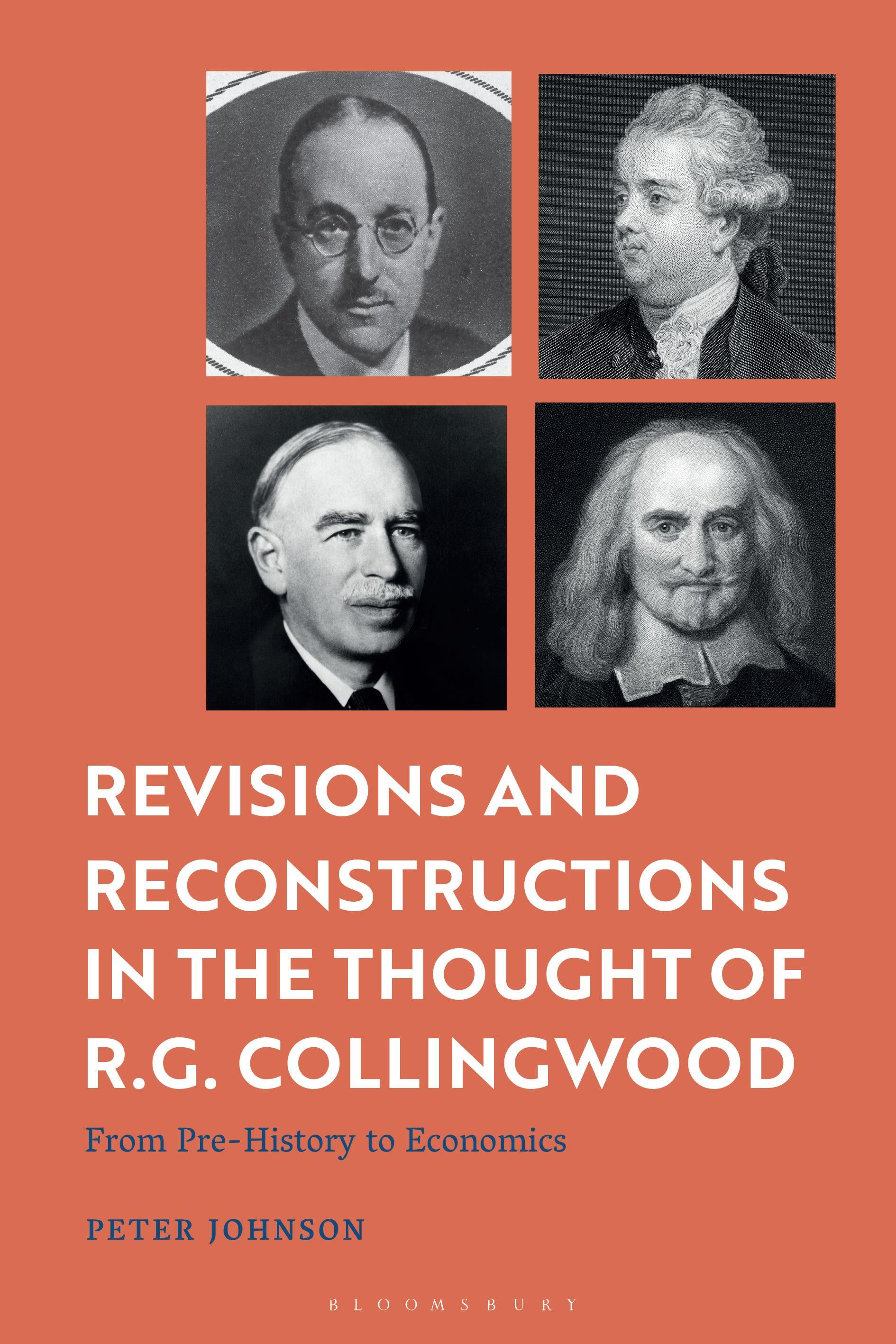
Opening new ground in neglected aspects of R.G. Collingwood's philosophy, Peter Johnson presents essays on Collingwood as a pre-historian, economist, Christian and commentator of Edward Gibbon together with an investigation into the connection between his later works.
The chapters shed light on Collingwood's distinctive account of pre-history, the relationship between his last great works The Principles of History and The New Leviathan, and his views on money in comparison to those of J.M. Keynes. They also consider his assessment of Edward Gibbon as a historian and his use of biblical citation in relation to the work of Thomas Hobbes. Johnson's insightful reflections and in-depth analysis of a range of areas in Collingwood's thinking connect them through historical and conceptual themes relevant to contemporary debates about his philosophy.
Uniting important and unique perspectives for understanding the scope and depth of Collingwood's philosophy, Johnson's detailed examination of previously underexplored topics will be welcomed by students and scholars across philosophy of history, pre-history, economic theory, intellectual history and philosophical hermeneutics.
The chapters shed light on Collingwood's distinctive account of pre-history, the relationship between his last great works The Principles of History and The New Leviathan, and his views on money in comparison to those of J.M. Keynes. They also consider his assessment of Edward Gibbon as a historian and his use of biblical citation in relation to the work of Thomas Hobbes. Johnson's insightful reflections and in-depth analysis of a range of areas in Collingwood's thinking connect them through historical and conceptual themes relevant to contemporary debates about his philosophy.
Uniting important and unique perspectives for understanding the scope and depth of Collingwood's philosophy, Johnson's detailed examination of previously underexplored topics will be welcomed by students and scholars across philosophy of history, pre-history, economic theory, intellectual history and philosophical hermeneutics.
Płać wygodnie kartą, Klarną, Apple Pay lub Google Pay. Nie jesteś zadowolony? Zawsze masz 14-dniową gwarancję zwrotu pieniędzy. Więcej przeczytasz w naszych warunkach. Masz pytania? Napisz do nas na hello@memmo.org.
Memmo ułatwia naukę – gdziekolwiek jesteś na świecie. U nas znajdziesz podręczniki i sprytne narzędzia do nauki w jednym miejscu: streszczenia, quizy, podcasty i fiszki. A do tego Ted, Twój kumpel do nauki, który odpowie na wszystko, co Cię nurtuje. Ponad 50 000 studentów już tu się uczy – stworzone, byś uczył się szybciej i mniej stresował.