
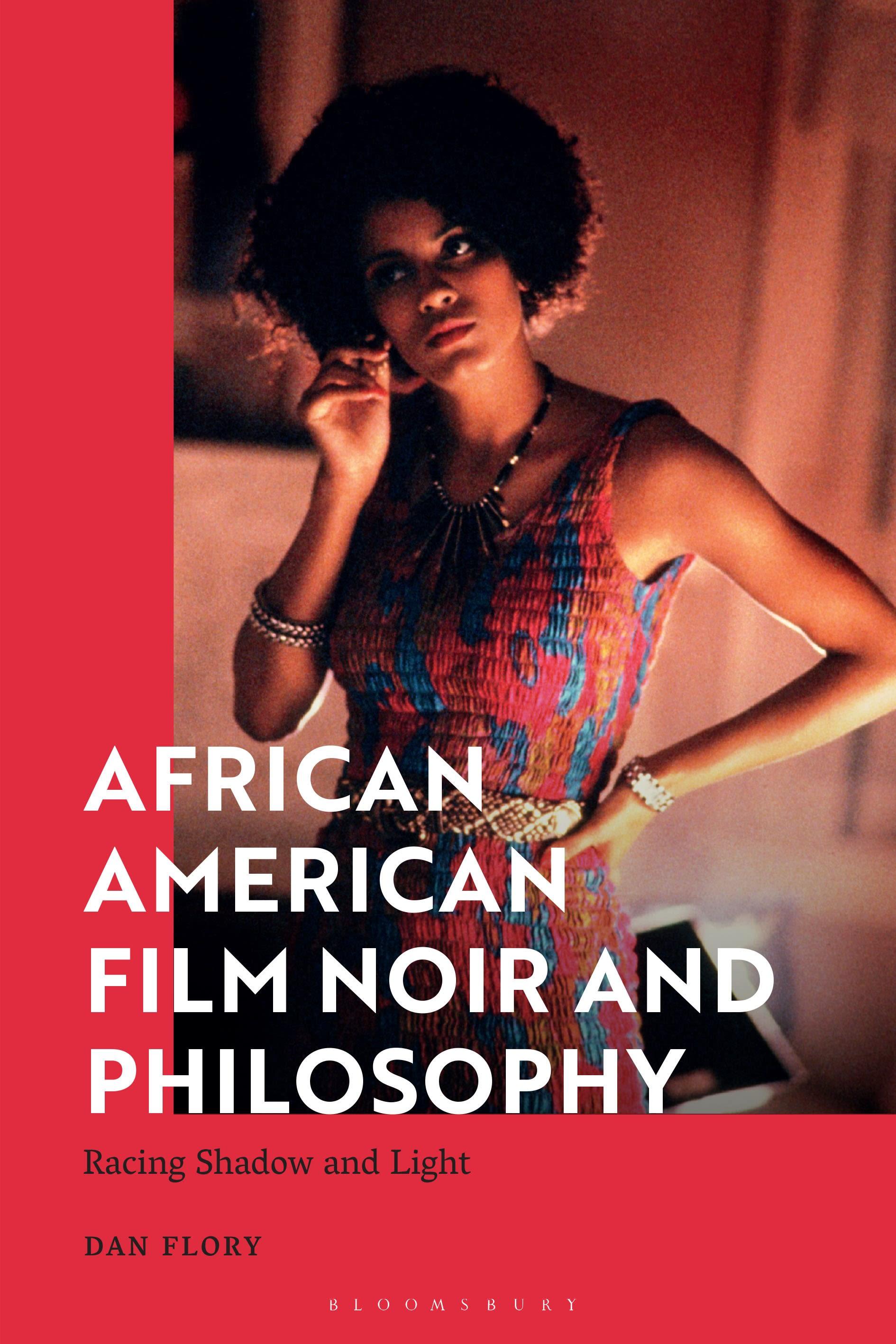
How have feelings, presumptions, and preconceptions concerning racialized Blackness intersected with film noir? Dan Flory relies on recent advances in philosophy of film, philosophy of emotion, cognitive film theory, and critical philosophy of race to guide his analyses of this well-known film genre.
Making sense of techniques, themes, and characterizations filmmakers have used in order to structure movies into film noirs, Flory focuses on those viewer responses that are not consciously registered by higher-level forms of cognition. He argues that embodied, affective, and implicit reactions are key to understanding how film noir typically conveys ideas, feelings, and perspectives concerning race.
Noir films by African American and other artists have frequently sought to elicit such embodied responses, rendering their investigation vital. In many cases, these artists have created works that aim, either explicitly or implicitly, to be filmed in the guise of philosophy by generating serious thoughtful reflection. By using advances from these theoretical subfields in conjunction with developments in mainstream, African American, and other kinds of filmmaking, Flory elucidates many under-analyzed dimensions of noir films and their intersection with racialized Blackness. Aiming to both diagnose as well as seek ways to overcome socio-political problems concerning anti-Blackness, Black invisibility, and the epistemic injustices they generate, Flory paves the way for revolutionary moral change.
Making sense of techniques, themes, and characterizations filmmakers have used in order to structure movies into film noirs, Flory focuses on those viewer responses that are not consciously registered by higher-level forms of cognition. He argues that embodied, affective, and implicit reactions are key to understanding how film noir typically conveys ideas, feelings, and perspectives concerning race.
Noir films by African American and other artists have frequently sought to elicit such embodied responses, rendering their investigation vital. In many cases, these artists have created works that aim, either explicitly or implicitly, to be filmed in the guise of philosophy by generating serious thoughtful reflection. By using advances from these theoretical subfields in conjunction with developments in mainstream, African American, and other kinds of filmmaking, Flory elucidates many under-analyzed dimensions of noir films and their intersection with racialized Blackness. Aiming to both diagnose as well as seek ways to overcome socio-political problems concerning anti-Blackness, Black invisibility, and the epistemic injustices they generate, Flory paves the way for revolutionary moral change.
Płać wygodnie kartą, Klarną, Apple Pay lub Google Pay. Nie jesteś zadowolony? Zawsze masz 14-dniową gwarancję zwrotu pieniędzy. Więcej przeczytasz w naszych warunkach. Masz pytania? Napisz do nas na hello@memmo.org.
Memmo ułatwia naukę – gdziekolwiek jesteś na świecie. U nas znajdziesz podręczniki i sprytne narzędzia do nauki w jednym miejscu: streszczenia, quizy, podcasty i fiszki. A do tego Ted, Twój kumpel do nauki, który odpowie na wszystko, co Cię nurtuje. Ponad 50 000 studentów już tu się uczy – stworzone, byś uczył się szybciej i mniej stresował.