
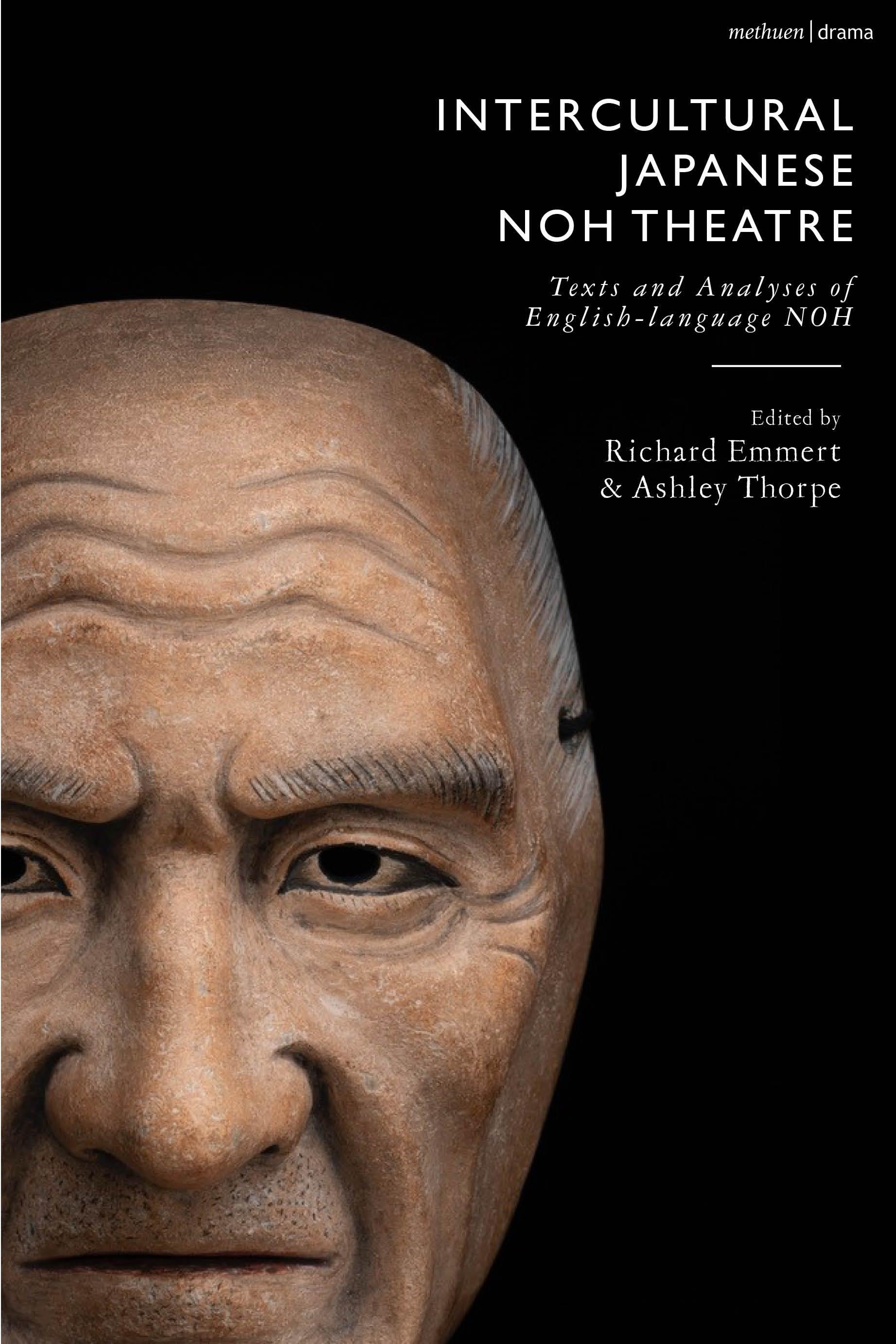
Discover Japanese culture and one of the world's oldest performance artforms in an exhilarating new way: through English-language noh theatre.
Intercultural Japanese Noh Theatre: Texts and Analyses of English-language Noh provides a unique perspective on intercultural engagement with Japanese noh, a classical dance-drama that has been performed since the 14th century. Unlike many projects approaching noh from the 'outside in,' this volume dives 'inside out,' tapping into the expertise of both professional Japanese noh performers and dedicated non-indigenous practitioners. Through selected play texts and insightful essays, this collection introduces a new realm of noh to global readers, academics, and theatre enthusiasts interested in Japanese culture.
The opening chapters, guided by Akira Matsui, a master actor of the Kita school of noh, offer a contemporary view from within the professional noh world: the subsequent seven playtexts, chosen for their representation of shifts in practice and global resonance, are introduced by the writers, providing insights into their creative motivations. Following each play, experts analyse its performance aspects, from movement and music to costume and language, exploring the implications of integrating Japanese noh professionals with international amateurs.
This volume not only contextualizes the chosen noh texts but also serves as a window into a dynamic form of intercultural engagement with noh theatre. By blending tradition with global perspectives, it illuminates the multifaceted nature of noh in a globalized context. For those interested in the longevity of performance art and new intercultural approaches, this book offers a comprehensive exploration of English-language noh and its rich complexity on the global stage.
Intercultural Japanese Noh Theatre: Texts and Analyses of English-language Noh provides a unique perspective on intercultural engagement with Japanese noh, a classical dance-drama that has been performed since the 14th century. Unlike many projects approaching noh from the 'outside in,' this volume dives 'inside out,' tapping into the expertise of both professional Japanese noh performers and dedicated non-indigenous practitioners. Through selected play texts and insightful essays, this collection introduces a new realm of noh to global readers, academics, and theatre enthusiasts interested in Japanese culture.
The opening chapters, guided by Akira Matsui, a master actor of the Kita school of noh, offer a contemporary view from within the professional noh world: the subsequent seven playtexts, chosen for their representation of shifts in practice and global resonance, are introduced by the writers, providing insights into their creative motivations. Following each play, experts analyse its performance aspects, from movement and music to costume and language, exploring the implications of integrating Japanese noh professionals with international amateurs.
This volume not only contextualizes the chosen noh texts but also serves as a window into a dynamic form of intercultural engagement with noh theatre. By blending tradition with global perspectives, it illuminates the multifaceted nature of noh in a globalized context. For those interested in the longevity of performance art and new intercultural approaches, this book offers a comprehensive exploration of English-language noh and its rich complexity on the global stage.
Strony: 248
Kategoria: Drama, Teater & Scenkonst
e-ISBN: 9781350473157
Waga przesyłki: 1.2 kg
Wysyłka w ciągu: 1-2 dni
Płać wygodnie kartą, Klarną, Apple Pay lub Google Pay. Nie jesteś zadowolony? Zawsze masz 14-dniową gwarancję zwrotu pieniędzy. Więcej przeczytasz w naszych warunkach. Masz pytania? Napisz do nas na hello@memmo.org.
Memmo ułatwia naukę – gdziekolwiek jesteś na świecie. U nas znajdziesz podręczniki i sprytne narzędzia do nauki w jednym miejscu: streszczenia, quizy, podcasty i fiszki. A do tego Ted, Twój kumpel do nauki, który odpowie na wszystko, co Cię nurtuje. Ponad 50 000 studentów już tu się uczy – stworzone, byś uczył się szybciej i mniej stresował.