
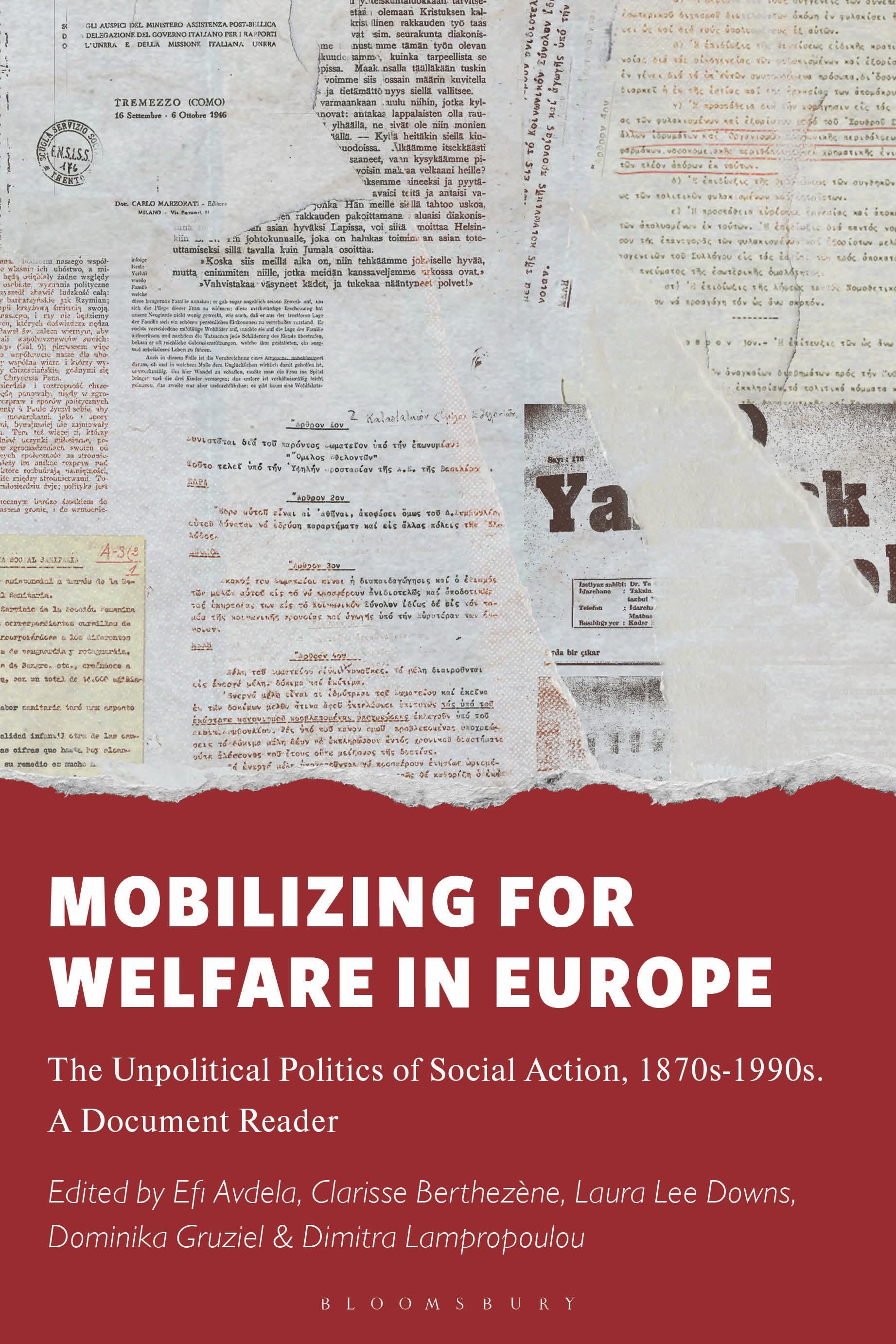
This is an engaging collection of 20 primary sources that provide insights into different approaches to social welfare from around Europe in the long 20th century, focusing particularly on marginalized groups.
Each chapter sheds light on a case of collective welfare action, and includes translated archival documents, alongside commentary that contextualises each case, and examines its socio-political underpinnings. This volume explores sources from 12 European countries, capturing historical approaches to collective action, and encompassing a plethora of welfare issues – such as religious and secular philanthropy, youth protection, gender history, and campaigns for prison reform. The result is a detailed study of the social welfare state in Europe.
With every source accompanied by an analysis of the ideas, ambitions, and practices of the actors themselves, in addition to an exploration of the larger regional context that influenced each pattern of collective mobilization, the editors highlight the distinction between the social and the political that underlies many forms of action undertaken in the field. Using the idea of 'unpolitical politics' as a new lens through which to explore the development of social welfare in a number of European contexts, this volume analyses who and what purports to be 'neutral', and why.
Each chapter sheds light on a case of collective welfare action, and includes translated archival documents, alongside commentary that contextualises each case, and examines its socio-political underpinnings. This volume explores sources from 12 European countries, capturing historical approaches to collective action, and encompassing a plethora of welfare issues – such as religious and secular philanthropy, youth protection, gender history, and campaigns for prison reform. The result is a detailed study of the social welfare state in Europe.
With every source accompanied by an analysis of the ideas, ambitions, and practices of the actors themselves, in addition to an exploration of the larger regional context that influenced each pattern of collective mobilization, the editors highlight the distinction between the social and the political that underlies many forms of action undertaken in the field. Using the idea of 'unpolitical politics' as a new lens through which to explore the development of social welfare in a number of European contexts, this volume analyses who and what purports to be 'neutral', and why.
Płać wygodnie kartą, Klarną, Apple Pay lub Google Pay. Nie jesteś zadowolony? Zawsze masz 14-dniową gwarancję zwrotu pieniędzy. Więcej przeczytasz w naszych warunkach. Masz pytania? Napisz do nas na hello@memmo.org.
Memmo ułatwia naukę – gdziekolwiek jesteś na świecie. U nas znajdziesz podręczniki i sprytne narzędzia do nauki w jednym miejscu: streszczenia, quizy, podcasty i fiszki. A do tego Ted, Twój kumpel do nauki, który odpowie na wszystko, co Cię nurtuje. Ponad 50 000 studentów już tu się uczy – stworzone, byś uczył się szybciej i mniej stresował.