
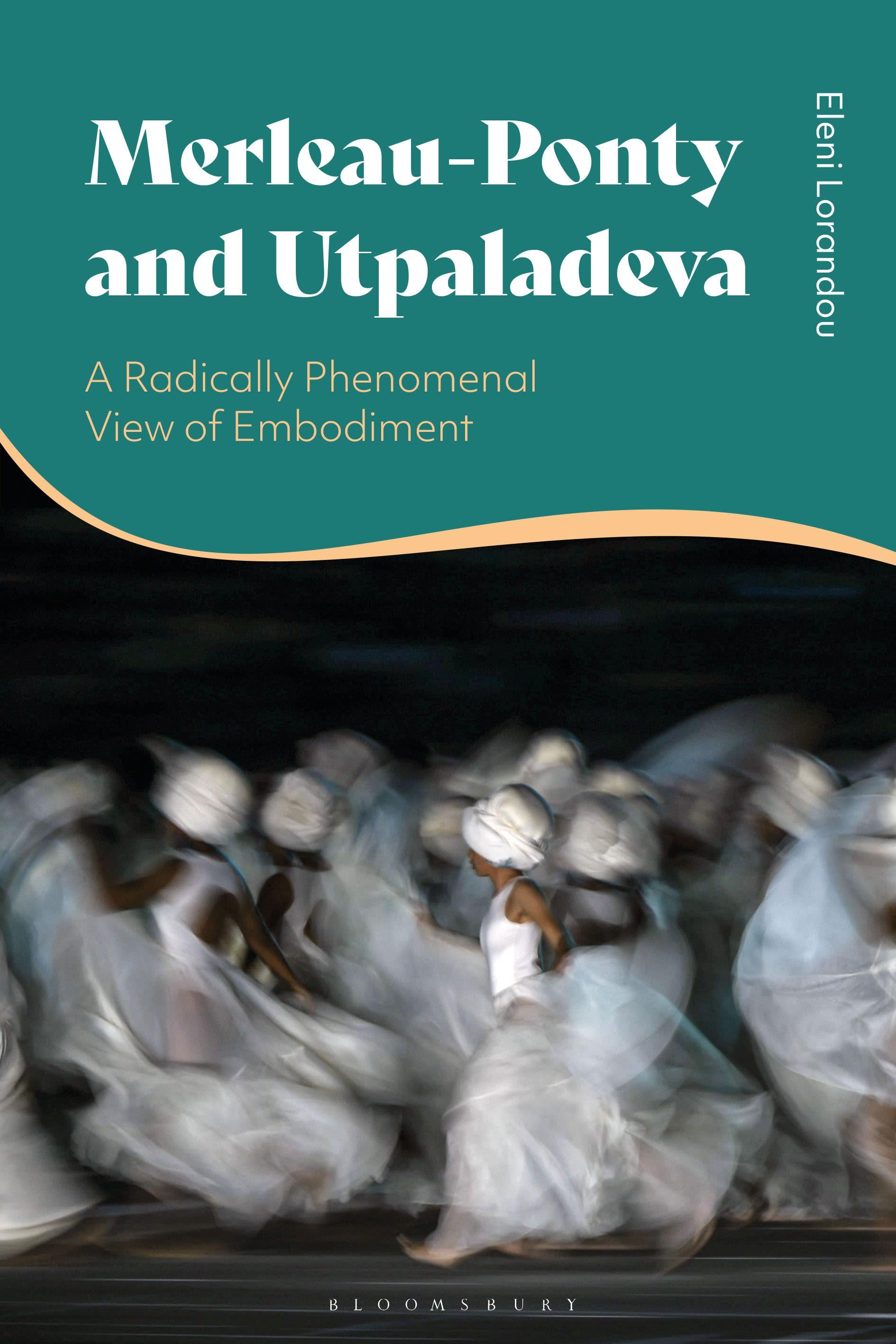
Bridging the gap between two distinct philosophical traditions, Eleni Lorandou finds consonance in the philosophies of Merleau-Ponty and Utpaladeva to articulate a radically phenomenal view of embodiment. In an argument for the transcendence of limiting dualisms in thinking, she explores how western postmodernism and Indian classical thought can speak to one another across centuries, complementing each other in a new and constructive philosophy.
By bringing the phenomenology of Merleau-Ponty and the Recognition School of Utpaladeva into dialogue Lorandou uncovers intriguing insights into the constitution and possibilities of human experience. She delves into the intricacies of how we perceive the world around us and considers how our embodied existence shapes our understanding and experience. Questioning the notion that our perception directly corresponds to an objective reality and focusing on the topics of 'other minds', Lorandou draws soteriological conclusions.
Examining the relevance of Merleau-Ponty's phenomenological reduction and Utpaladeva's self-recognition, this illuminating study turns our attention to the topics of perception, embodiment, realism, intersubjectivity, and, ultimately, the transformative implications of philosophical inquiry.
By bringing the phenomenology of Merleau-Ponty and the Recognition School of Utpaladeva into dialogue Lorandou uncovers intriguing insights into the constitution and possibilities of human experience. She delves into the intricacies of how we perceive the world around us and considers how our embodied existence shapes our understanding and experience. Questioning the notion that our perception directly corresponds to an objective reality and focusing on the topics of 'other minds', Lorandou draws soteriological conclusions.
Examining the relevance of Merleau-Ponty's phenomenological reduction and Utpaladeva's self-recognition, this illuminating study turns our attention to the topics of perception, embodiment, realism, intersubjectivity, and, ultimately, the transformative implications of philosophical inquiry.
Płać wygodnie kartą, Klarną, Apple Pay lub Google Pay. Nie jesteś zadowolony? Zawsze masz 14-dniową gwarancję zwrotu pieniędzy. Więcej przeczytasz w naszych warunkach. Masz pytania? Napisz do nas na hello@memmo.org.
Memmo ułatwia naukę – gdziekolwiek jesteś na świecie. U nas znajdziesz podręczniki i sprytne narzędzia do nauki w jednym miejscu: streszczenia, quizy, podcasty i fiszki. A do tego Ted, Twój kumpel do nauki, który odpowie na wszystko, co Cię nurtuje. Ponad 50 000 studentów już tu się uczy – stworzone, byś uczył się szybciej i mniej stresował.