
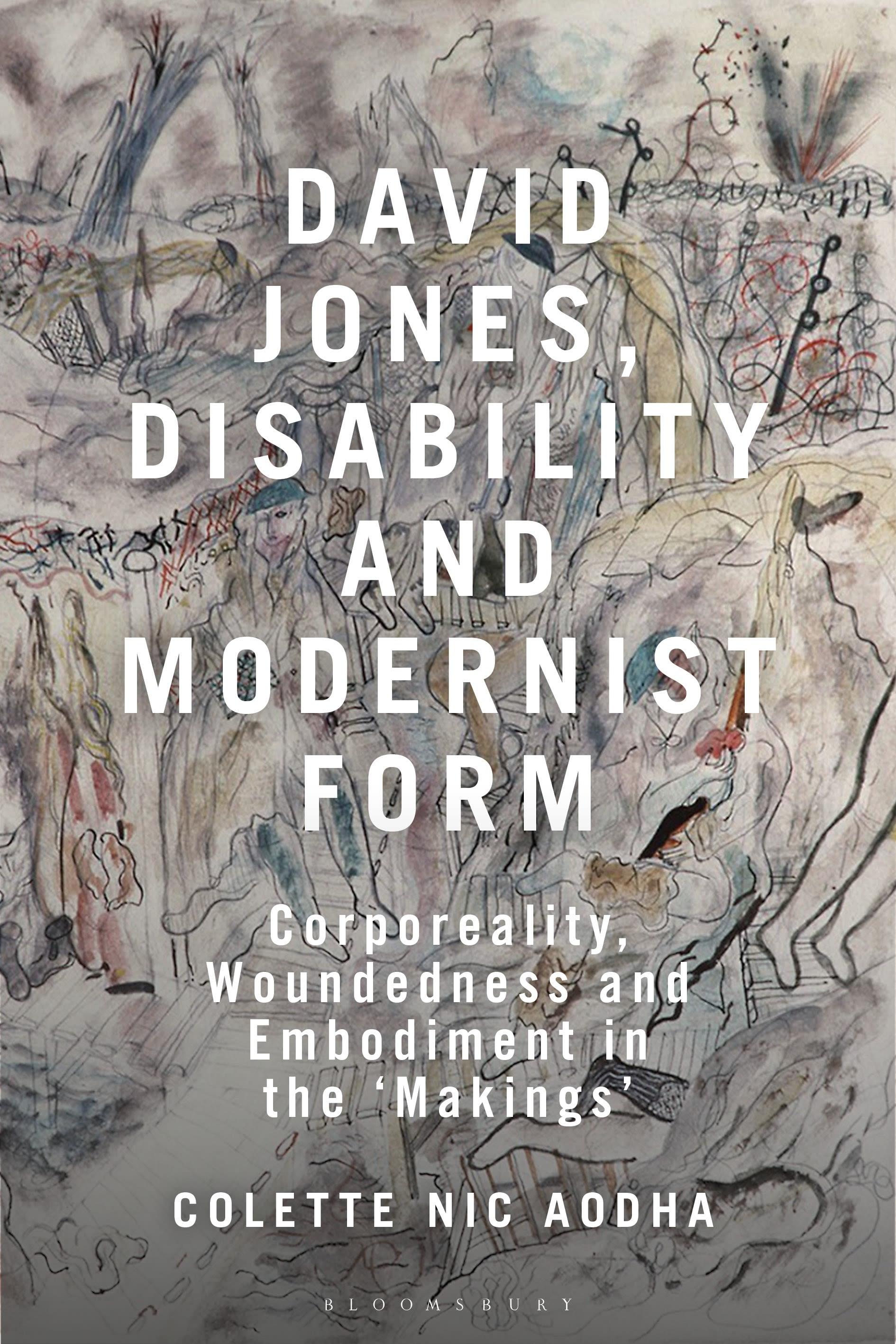
Employing a fresh theoretical approach to David Jones' work, this is the first book to use disability studies as a lens through which to consider his post-war work.
Unpacking the distinct corporeality in the work of Welsh modernist maker, poet, painter, and engraver, David Jones (1895-1974) that emerges from the trauma of Jones's participation in the Great War, this book frames the complex modes of embodiment in his post-war work. In doing so, it relates Jones's pioneering visual art and poetic form to antecedents (William Blake) and modern artists (Sarah Lucas and Damien Hirst) while using materiality to form connections between modernism, disability, and the liturgy of the Eucharist upon which Jones centres his work.
Unpacking the distinct corporeality in the work of Welsh modernist maker, poet, painter, and engraver, David Jones (1895-1974) that emerges from the trauma of Jones's participation in the Great War, this book frames the complex modes of embodiment in his post-war work. In doing so, it relates Jones's pioneering visual art and poetic form to antecedents (William Blake) and modern artists (Sarah Lucas and Damien Hirst) while using materiality to form connections between modernism, disability, and the liturgy of the Eucharist upon which Jones centres his work.
Płać wygodnie kartą, Klarną, Apple Pay lub Google Pay. Nie jesteś zadowolony? Zawsze masz 14-dniową gwarancję zwrotu pieniędzy. Więcej przeczytasz w naszych warunkach. Masz pytania? Napisz do nas na hello@memmo.org.
Memmo ułatwia naukę – gdziekolwiek jesteś na świecie. U nas znajdziesz podręczniki i sprytne narzędzia do nauki w jednym miejscu: streszczenia, quizy, podcasty i fiszki. A do tego Ted, Twój kumpel do nauki, który odpowie na wszystko, co Cię nurtuje. Ponad 50 000 studentów już tu się uczy – stworzone, byś uczył się szybciej i mniej stresował.