
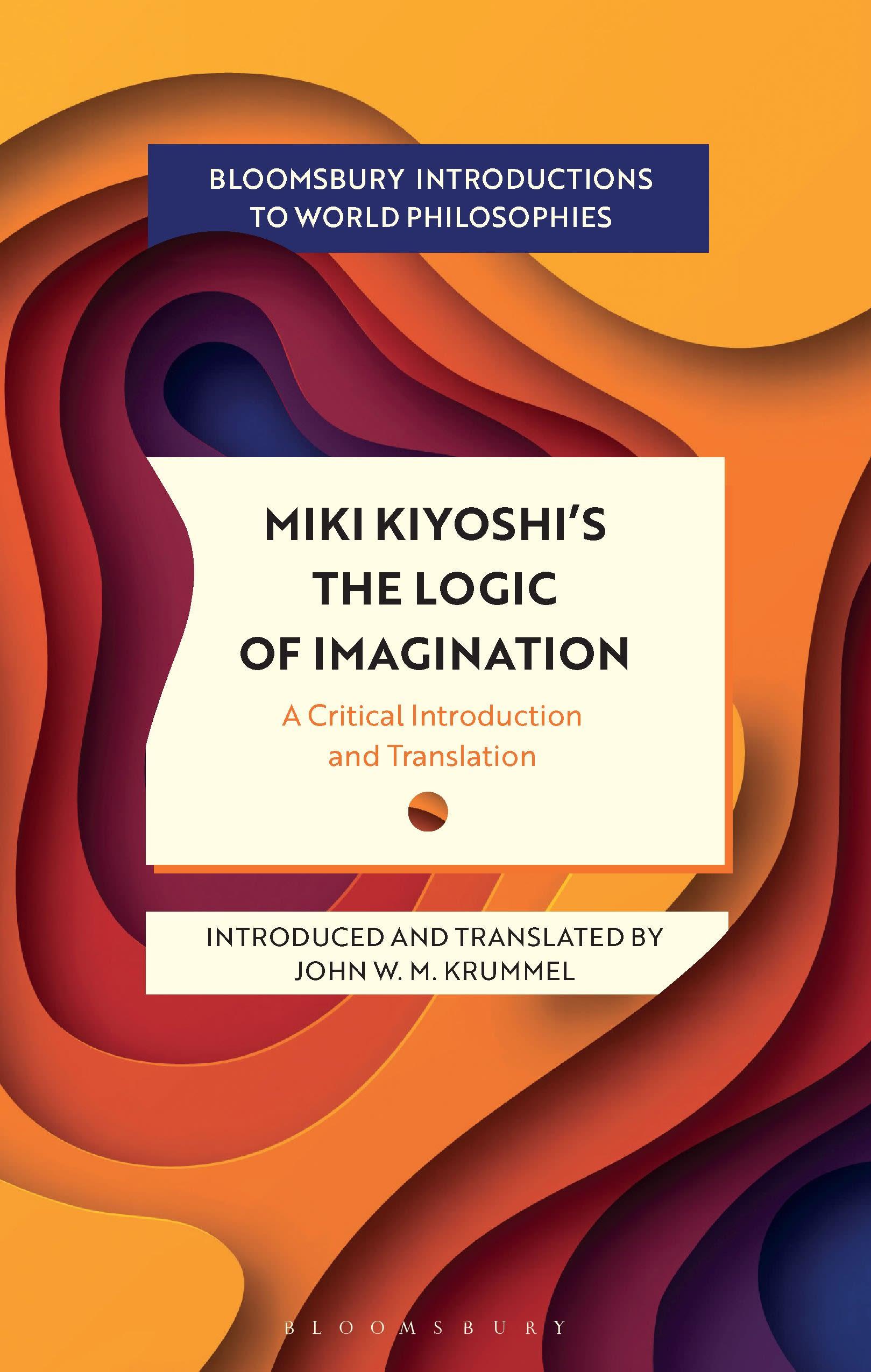
The Japanese philosopher Miki Kiyoshi opens doors to all those interested in rethinking the problem of imagination, myth, and technology.
Miki Kiyoshi is one of the central figures in the Kyoto School, often spoken of as the heir of Kitaro Nishida. Born in Japan in 1897, he died in prison shortly after the end of World War II in 1945 at the age of 48.
Miki's The Logic of Imagination first appeared in the journal Thought in 1937 under the themes of “Myth,” “Institution,” and “Technology”. The next part, “Experience,” was serialized in the same journal and Miki continued to work on the final part, but was never completed it due to his arrest.
This translation makes this seminal work available in English for the first time. Featuring an introduction and accompanied throughout by contextual notes, it includes essential information about Miki's life and work. Miki's philosophy of the imagination anticipated later theories found first in Hannah Arendt, and then in Paul Ricoeur and most recently in Charles Taylor. The connection Miki makes of the imagination with technology anticipates ideas of the technological imagination in Don Ihde and Bernard Stiegler.
Miki's thinking about the imagination illuminates our understanding of technology and how we behave in the world. This accessible, critical edition of his work does justice to one of the most unfairly underrated authors of Japanese philosophy.
Miki Kiyoshi is one of the central figures in the Kyoto School, often spoken of as the heir of Kitaro Nishida. Born in Japan in 1897, he died in prison shortly after the end of World War II in 1945 at the age of 48.
Miki's The Logic of Imagination first appeared in the journal Thought in 1937 under the themes of “Myth,” “Institution,” and “Technology”. The next part, “Experience,” was serialized in the same journal and Miki continued to work on the final part, but was never completed it due to his arrest.
This translation makes this seminal work available in English for the first time. Featuring an introduction and accompanied throughout by contextual notes, it includes essential information about Miki's life and work. Miki's philosophy of the imagination anticipated later theories found first in Hannah Arendt, and then in Paul Ricoeur and most recently in Charles Taylor. The connection Miki makes of the imagination with technology anticipates ideas of the technological imagination in Don Ihde and Bernard Stiegler.
Miki's thinking about the imagination illuminates our understanding of technology and how we behave in the world. This accessible, critical edition of his work does justice to one of the most unfairly underrated authors of Japanese philosophy.
Płać wygodnie kartą, Klarną, Apple Pay lub Google Pay. Nie jesteś zadowolony? Zawsze masz 14-dniową gwarancję zwrotu pieniędzy. Więcej przeczytasz w naszych warunkach. Masz pytania? Napisz do nas na hello@memmo.org.
Memmo ułatwia naukę – gdziekolwiek jesteś na świecie. U nas znajdziesz podręczniki i sprytne narzędzia do nauki w jednym miejscu: streszczenia, quizy, podcasty i fiszki. A do tego Ted, Twój kumpel do nauki, który odpowie na wszystko, co Cię nurtuje. Ponad 50 000 studentów już tu się uczy – stworzone, byś uczył się szybciej i mniej stresował.