
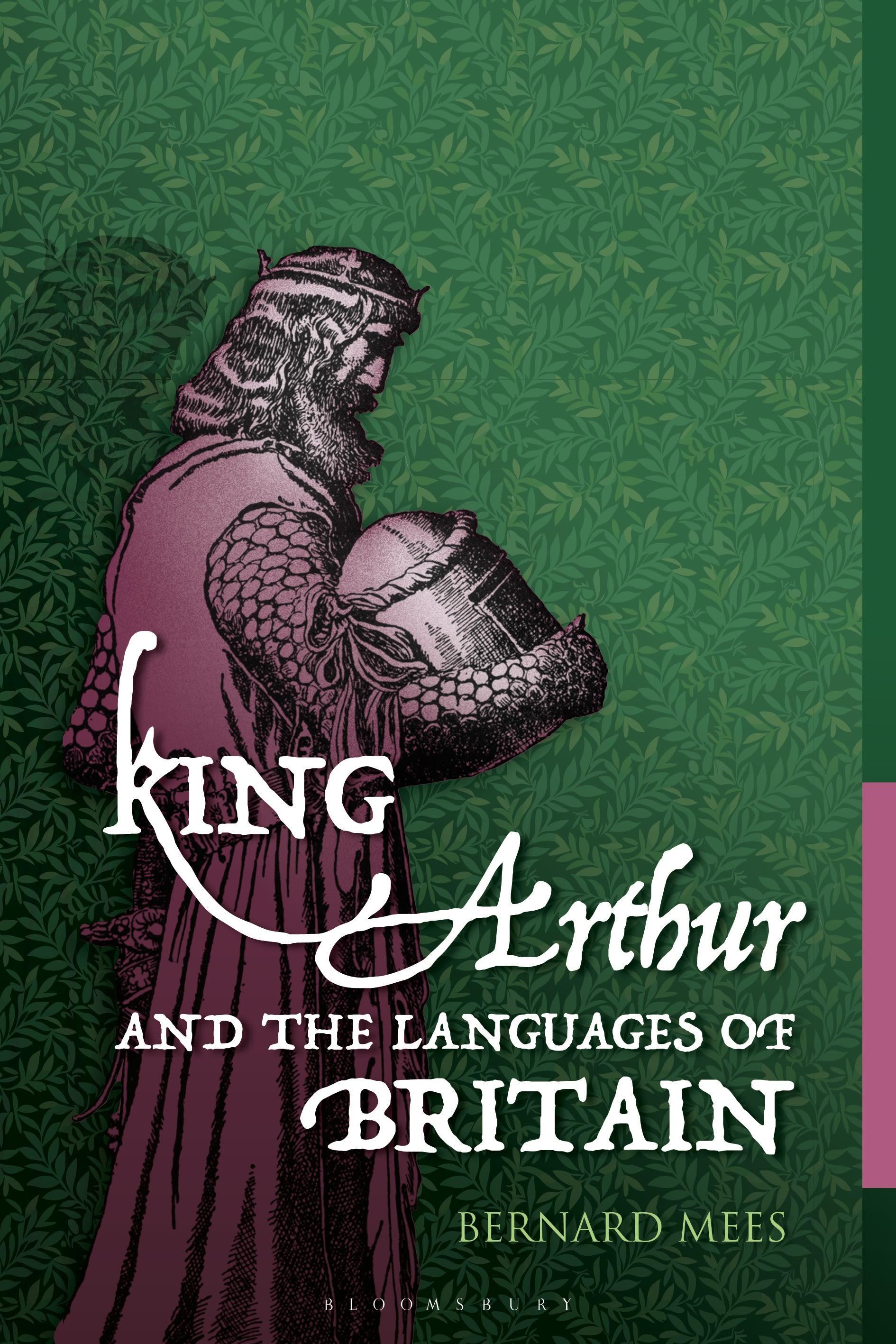
Medievalists have denied the historical existence of King Arthur for over 50 years. Arthur and the Languages of Britain demonstrates how linguistic evidence can be employed to see if the earliest historical records that mention Arthur are reliable.
The book begins with an analysis of the evidence for the Anglo-Saxon invasions and the response of the Britons, and introduces the main methodological approaches employed in the linguistic analysis of historical records. It then provides evidence for Arthur as a Cumbric-speaker active in the region about Hadrian's Wall, before assessing the linguistic evidence which supports the validity of the references to Arthur in the Welsh Annals and the Historia Brittonum.
Bernard Mees reflects on how Arthur is recorded as having taken part in the Battle of Mount Badon, a site that has never been located, and dying at Camlann, now Castlesteads on Hadrian's Wall. He uses linguistic analysis of the evidence recorded for the existence of Arthur to support the historical reliability of these records. Mees concludes with a summary of how Geoffrey of Monmouth created pseudo-historical stories from the references to Arthur in these early sources, turning Ambrosius Aurelianus into Merlin and Mordred into King Arthur's nephew and the lover of his queen Guinevere.
The book begins with an analysis of the evidence for the Anglo-Saxon invasions and the response of the Britons, and introduces the main methodological approaches employed in the linguistic analysis of historical records. It then provides evidence for Arthur as a Cumbric-speaker active in the region about Hadrian's Wall, before assessing the linguistic evidence which supports the validity of the references to Arthur in the Welsh Annals and the Historia Brittonum.
Bernard Mees reflects on how Arthur is recorded as having taken part in the Battle of Mount Badon, a site that has never been located, and dying at Camlann, now Castlesteads on Hadrian's Wall. He uses linguistic analysis of the evidence recorded for the existence of Arthur to support the historical reliability of these records. Mees concludes with a summary of how Geoffrey of Monmouth created pseudo-historical stories from the references to Arthur in these early sources, turning Ambrosius Aurelianus into Merlin and Mordred into King Arthur's nephew and the lover of his queen Guinevere.
Strony: 216
Kategoria: Språk & Lingvistik
e-ISBN: 9781350443129
Waga przesyłki: 1.2 kg
Wysyłka w ciągu: 1-2 dni
Płać wygodnie kartą, Klarną, Apple Pay lub Google Pay. Nie jesteś zadowolony? Zawsze masz 14-dniową gwarancję zwrotu pieniędzy. Więcej przeczytasz w naszych warunkach. Masz pytania? Napisz do nas na hello@memmo.org.
Memmo ułatwia naukę – gdziekolwiek jesteś na świecie. U nas znajdziesz podręczniki i sprytne narzędzia do nauki w jednym miejscu: streszczenia, quizy, podcasty i fiszki. A do tego Ted, Twój kumpel do nauki, który odpowie na wszystko, co Cię nurtuje. Ponad 50 000 studentów już tu się uczy – stworzone, byś uczył się szybciej i mniej stresował.