
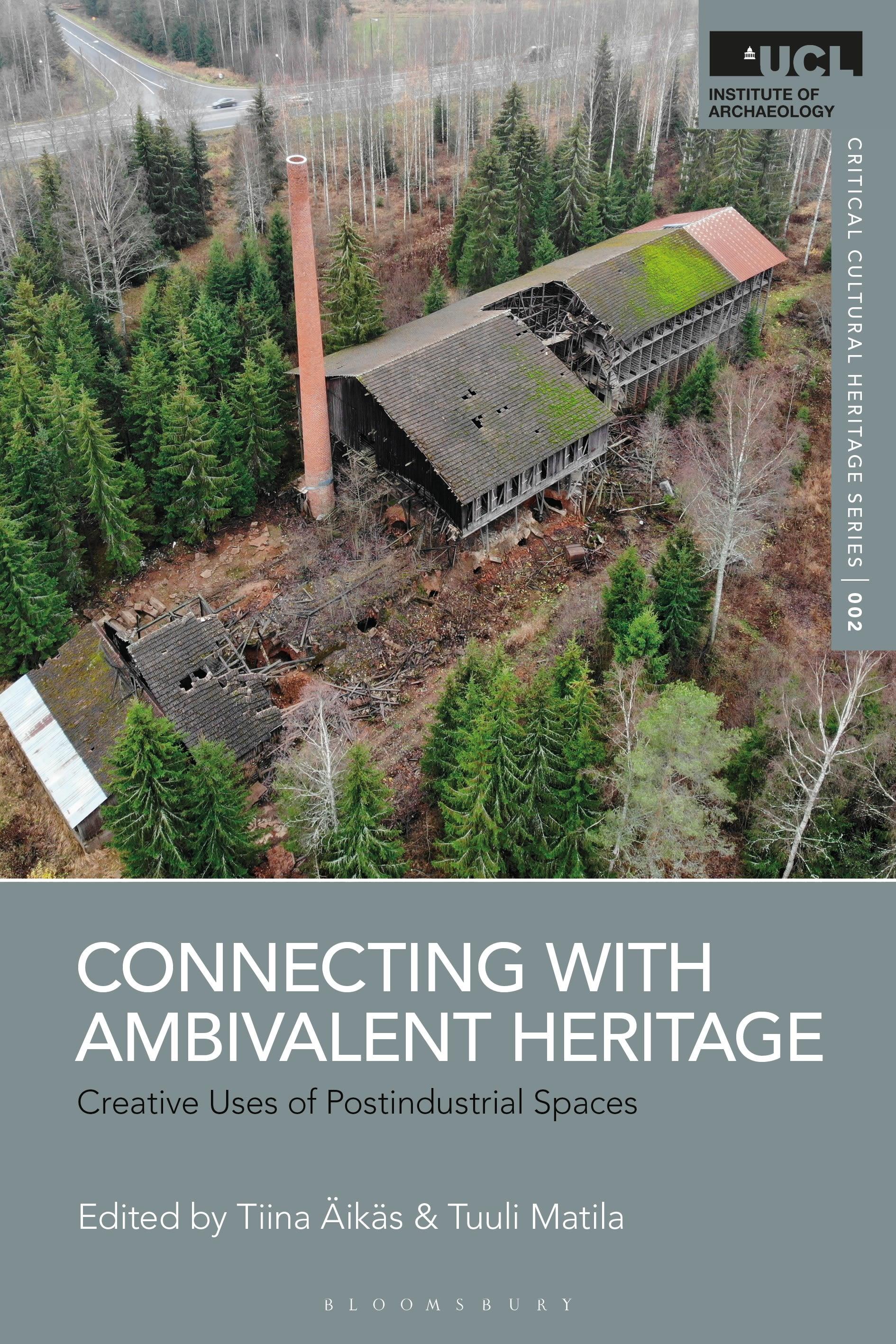
Exploring the difficult and contested sites of deindustrialized society on the brink of transformation to either heritage or wasteland, this volume looks at the creative ways that such sites are (re)used and suggests that they are not always merely abject or abandoned. As a result, our understanding of the meanings given to left over spaces is enhanced by an examination of the ways they are used.
Ambivalent heritage sites are not always recognized for their potential, although artists and people from different recreational activities, such as industrial sites and parkour, use and experience these places in different ways. The contributors introduce fresh ideas on how to approach these sites and the people invested in them, employing multidisciplinary methodologies from archaeology and heritage studies to ethnography and sociology. Through the use of Northern-European case studies such as a former sanatorium, a prison and the Chornobyl Exclusion Zone, the reader gains a new perspective on these sites of contestation, which are cherished despite their problematic status. The conclusion is that due to the rapid societal change we are experiencing in the contemporary world, heritage professionals must start to acknowledge and deal with the difficulties that ambivalent heritage sites pose.
Ambivalent heritage sites are not always recognized for their potential, although artists and people from different recreational activities, such as industrial sites and parkour, use and experience these places in different ways. The contributors introduce fresh ideas on how to approach these sites and the people invested in them, employing multidisciplinary methodologies from archaeology and heritage studies to ethnography and sociology. Through the use of Northern-European case studies such as a former sanatorium, a prison and the Chornobyl Exclusion Zone, the reader gains a new perspective on these sites of contestation, which are cherished despite their problematic status. The conclusion is that due to the rapid societal change we are experiencing in the contemporary world, heritage professionals must start to acknowledge and deal with the difficulties that ambivalent heritage sites pose.
Płać wygodnie kartą, Klarną, Apple Pay lub Google Pay. Nie jesteś zadowolony? Zawsze masz 14-dniową gwarancję zwrotu pieniędzy. Więcej przeczytasz w naszych warunkach. Masz pytania? Napisz do nas na hello@memmo.org.
Memmo ułatwia naukę – gdziekolwiek jesteś na świecie. U nas znajdziesz podręczniki i sprytne narzędzia do nauki w jednym miejscu: streszczenia, quizy, podcasty i fiszki. A do tego Ted, Twój kumpel do nauki, który odpowie na wszystko, co Cię nurtuje. Ponad 50 000 studentów już tu się uczy – stworzone, byś uczył się szybciej i mniej stresował.