
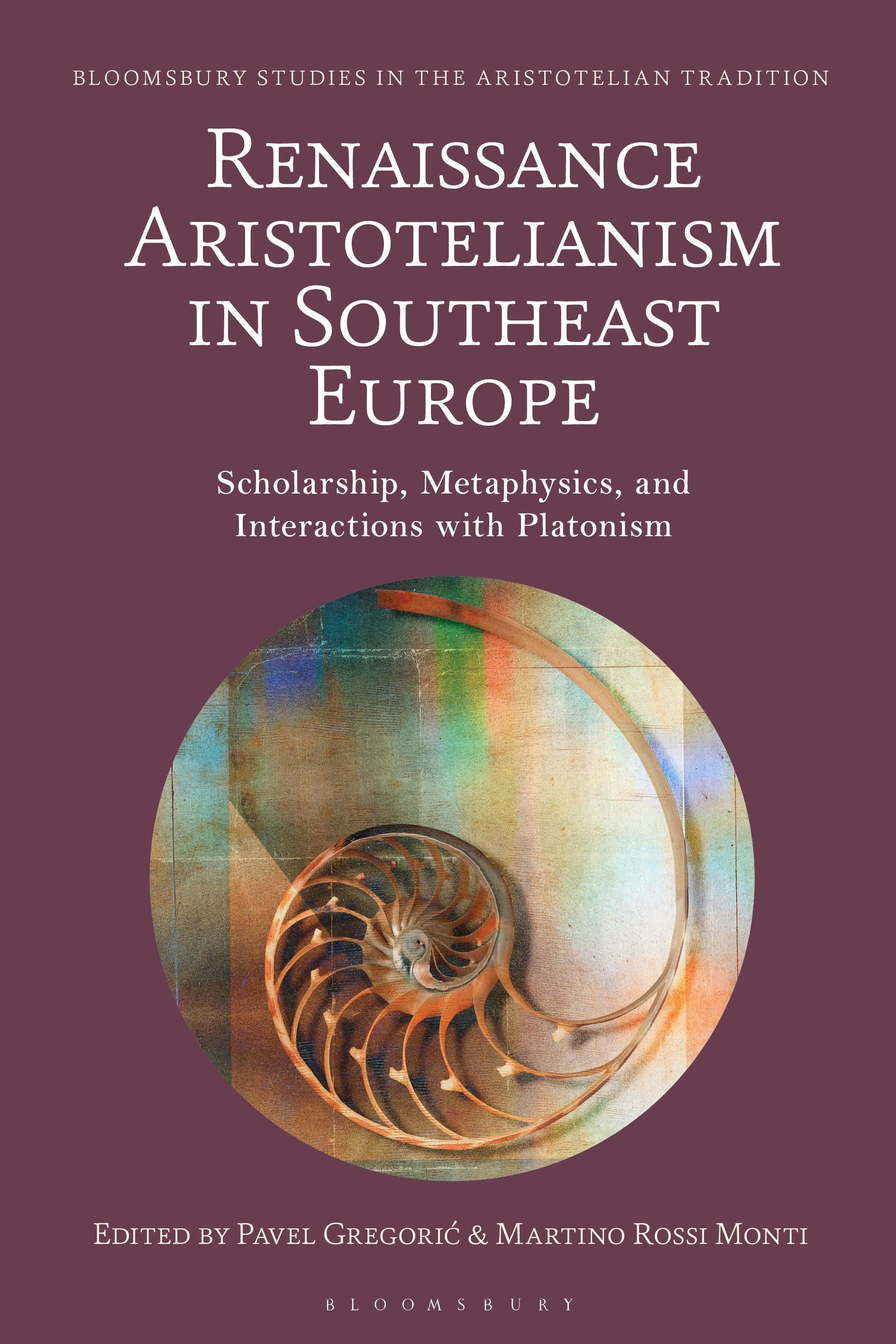
In this volume, leading scholars explore aspects of Renaissance Aristotelianism in the overlooked region of Southeast Europe.
Uncovering forgotten texts, neglected topics, and little-known authors, ten chapters examine the philosophies and scholarly practices of figures including Antonio Zara, Nikola Vitov Gucetic (Nicolaus Viti Gozzius), Matija Frkic (Matthaeus Ferchius), Juraj Dubrovcanin (Georgius Raguseius), and Daniel Furlanus.
The volume is organized into three sections. 'Scholarship' explores various aspects of accumulation, organization, and the display of knowledge typical for the Renaissance period. 'Metaphysics' looks at Aristotelian cosmological theories and doctrines, as well as exceptions to the general demise of metaphysics as a discipline in the Renaissance. 'Interactions with Platonism' provides different angles on how Renaissance philosophers handled the authority and the intellectual legacy of the two towering figures, Plato and Aristotle. In so doing, this volume provides insight into a number of topics central to Renaissance Aristotelianism in general.
Beginning with an Editors' Introduction offering vital context to the differing interpretations of Aristotelianism at the time, as well as a brief history of the areas in focus, this is an essential resource for anyone wanting to broaden their understanding of Renaissance Aristotelianism beyond the oft-examined cultural centres of Western Europe.
Uncovering forgotten texts, neglected topics, and little-known authors, ten chapters examine the philosophies and scholarly practices of figures including Antonio Zara, Nikola Vitov Gucetic (Nicolaus Viti Gozzius), Matija Frkic (Matthaeus Ferchius), Juraj Dubrovcanin (Georgius Raguseius), and Daniel Furlanus.
The volume is organized into three sections. 'Scholarship' explores various aspects of accumulation, organization, and the display of knowledge typical for the Renaissance period. 'Metaphysics' looks at Aristotelian cosmological theories and doctrines, as well as exceptions to the general demise of metaphysics as a discipline in the Renaissance. 'Interactions with Platonism' provides different angles on how Renaissance philosophers handled the authority and the intellectual legacy of the two towering figures, Plato and Aristotle. In so doing, this volume provides insight into a number of topics central to Renaissance Aristotelianism in general.
Beginning with an Editors' Introduction offering vital context to the differing interpretations of Aristotelianism at the time, as well as a brief history of the areas in focus, this is an essential resource for anyone wanting to broaden their understanding of Renaissance Aristotelianism beyond the oft-examined cultural centres of Western Europe.
Płać wygodnie kartą, Klarną, Apple Pay lub Google Pay. Nie jesteś zadowolony? Zawsze masz 14-dniową gwarancję zwrotu pieniędzy. Więcej przeczytasz w naszych warunkach. Masz pytania? Napisz do nas na hello@memmo.org.
Memmo ułatwia naukę – gdziekolwiek jesteś na świecie. U nas znajdziesz podręczniki i sprytne narzędzia do nauki w jednym miejscu: streszczenia, quizy, podcasty i fiszki. A do tego Ted, Twój kumpel do nauki, który odpowie na wszystko, co Cię nurtuje. Ponad 50 000 studentów już tu się uczy – stworzone, byś uczył się szybciej i mniej stresował.