
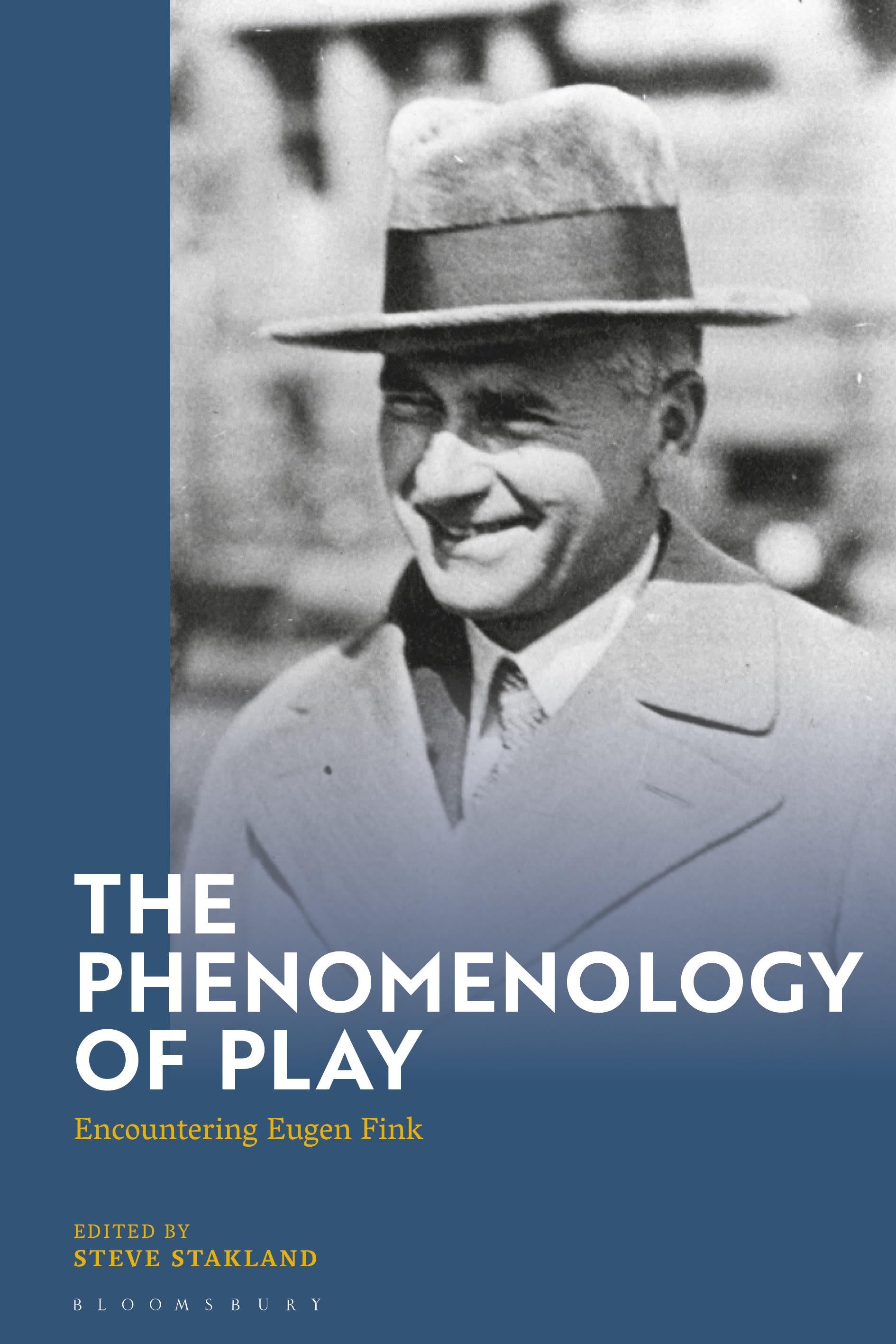
Eugen Fink's deep engagement with the phenomenon of play saw him transcend his two towering mentors, Edmund Husserl and Martin Heidegger, to become a crucial figure in early 20th-century phenomenology. The Phenomenology of Play draws on Fink's concept of play to build a picture of his philosophy, from its foundations to its applications.
The book's three sections focus on the building blocks of Fink's phenomenology of play, how his work maps onto the broader history of philosophy, and finally how his writing can be applied to contexts from education and care to politics and religion. This rich account of Fink's contribution to theories of play demonstrates its immense value and fundamental importance to human existence. Relating Fink's work to that of his contemporaries and predecessors like Husserl, Heidegger, Schiller, Gadamer, Nietzsche and Sartre shows the range and importance of his ideas to modern European thought. The Phenomenology of Play also features newly translated material including notes from conversations between Fink and Heidegger, and Fink's own essay 'Mask and Cothurnus' on ancient theatre – which shed new light on his philosophical enquiries.
The book's three sections focus on the building blocks of Fink's phenomenology of play, how his work maps onto the broader history of philosophy, and finally how his writing can be applied to contexts from education and care to politics and religion. This rich account of Fink's contribution to theories of play demonstrates its immense value and fundamental importance to human existence. Relating Fink's work to that of his contemporaries and predecessors like Husserl, Heidegger, Schiller, Gadamer, Nietzsche and Sartre shows the range and importance of his ideas to modern European thought. The Phenomenology of Play also features newly translated material including notes from conversations between Fink and Heidegger, and Fink's own essay 'Mask and Cothurnus' on ancient theatre – which shed new light on his philosophical enquiries.
Płać wygodnie kartą, Klarną, Apple Pay lub Google Pay. Nie jesteś zadowolony? Zawsze masz 14-dniową gwarancję zwrotu pieniędzy. Więcej przeczytasz w naszych warunkach. Masz pytania? Napisz do nas na hello@memmo.org.
Memmo ułatwia naukę – gdziekolwiek jesteś na świecie. U nas znajdziesz podręczniki i sprytne narzędzia do nauki w jednym miejscu: streszczenia, quizy, podcasty i fiszki. A do tego Ted, Twój kumpel do nauki, który odpowie na wszystko, co Cię nurtuje. Ponad 50 000 studentów już tu się uczy – stworzone, byś uczył się szybciej i mniej stresował.