
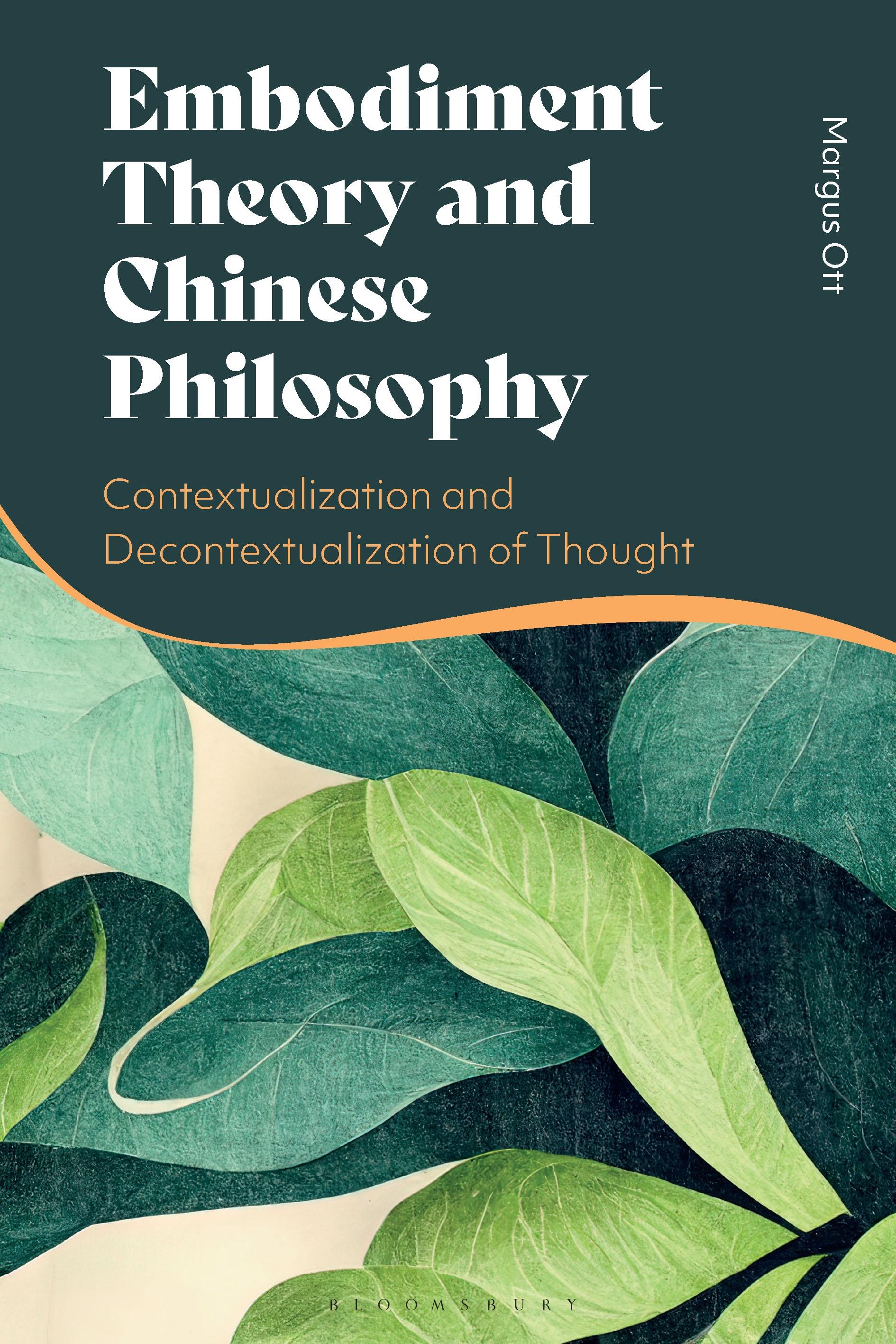
This book analyses some of the seminal texts of the Chinese tradition in light of the embodied tradition: the Analects of Confucius, the Zhuangzi, and the Treatise on Music. Margus Ott's study shows how they exemplify aspects of embodiment theory while highlighting others that have been neglected in contemporary work. Ott also develops far-reaching possibilities of an embodied philosophy.
The embodied understanding did not go unchallenged in Ancient China. There were important counter-currents, most notably the Mohists and the so-called Legalists. It has been argued that this challenge set the Chinese philosophical tradition in motion. By using embodiment theory Ott demonstrates how these ideas can be seen as a decontextualizing tendency of thought that plays an important role in human affairs.
The embodied understanding did not go unchallenged in Ancient China. There were important counter-currents, most notably the Mohists and the so-called Legalists. It has been argued that this challenge set the Chinese philosophical tradition in motion. By using embodiment theory Ott demonstrates how these ideas can be seen as a decontextualizing tendency of thought that plays an important role in human affairs.
Płać wygodnie kartą, Klarną, Apple Pay lub Google Pay. Nie jesteś zadowolony? Zawsze masz 14-dniową gwarancję zwrotu pieniędzy. Więcej przeczytasz w naszych warunkach. Masz pytania? Napisz do nas na hello@memmo.org.
Memmo ułatwia naukę – gdziekolwiek jesteś na świecie. U nas znajdziesz podręczniki i sprytne narzędzia do nauki w jednym miejscu: streszczenia, quizy, podcasty i fiszki. A do tego Ted, Twój kumpel do nauki, który odpowie na wszystko, co Cię nurtuje. Ponad 50 000 studentów już tu się uczy – stworzone, byś uczył się szybciej i mniej stresował.