
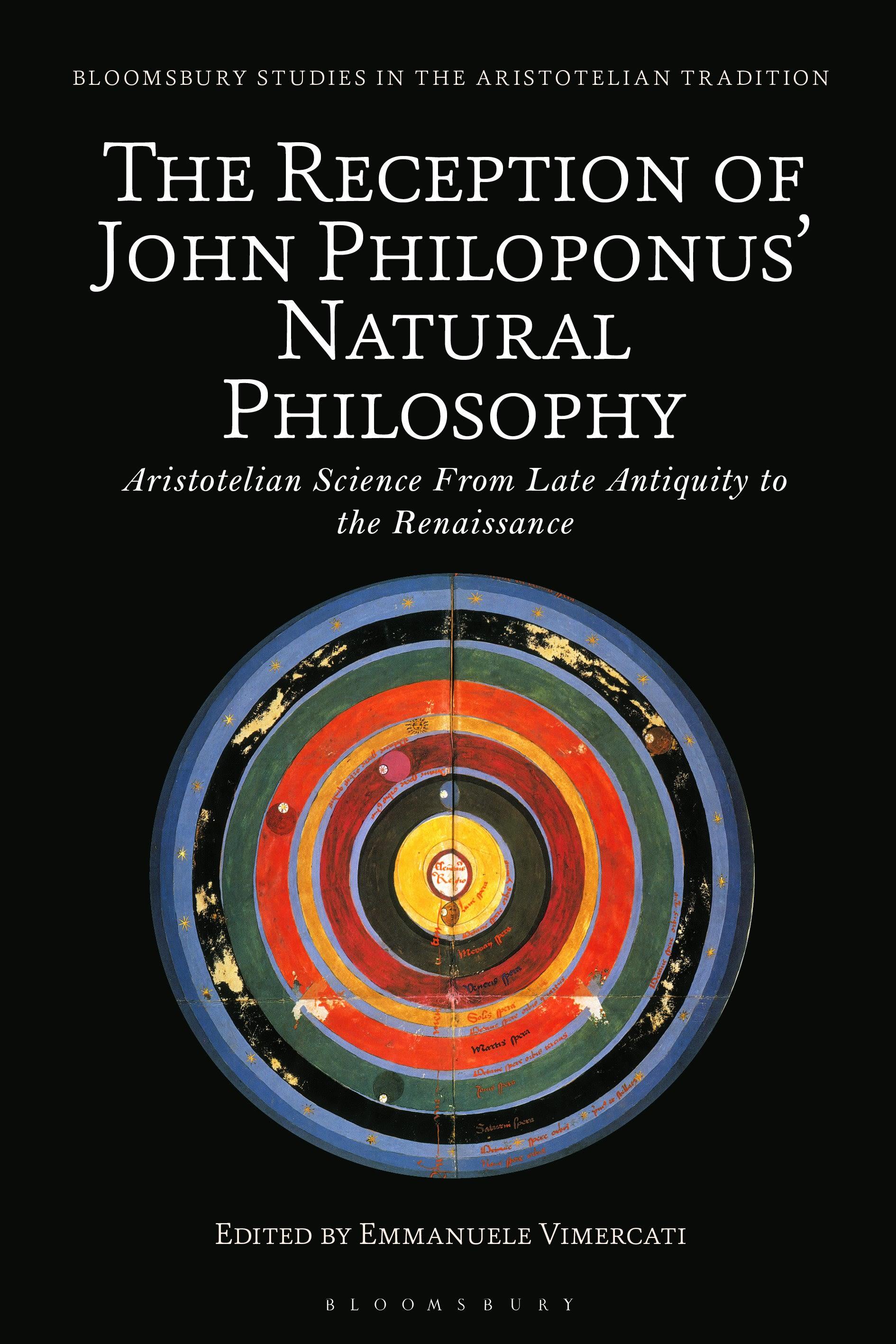
In some of his most famous works, John Philoponus (c. 490-570 CE) confronts numerous aspects of Aristotle's philosophy and science. Yet the influence of these reinterpretations and critiques remains under-examined. This volume fills this gap by uncovering the considerable impact of Philoponus' natural philosophy in both the medieval and Renaissance periods.
Divided into three parts, the first part of the volume introduces central concepts in Philoponus' philosophy. Highlighting the areas of crossover as well as of disagreement with Aristotle, chapters dedicate specific attention to Philoponus' theories of place, matter and vacuum; his ideas of motion; his discussion of the heavens and the fifth element; and his anthropology. This is followed, in parts two and three, by a focus on Philoponus' reception in the Middle Ages and the Renaissance respectively. Shedding light on the scientific ideas circulating in these periods, international experts explore a range of topics from the renewal of Aristotelianism in the Arab world, through the medieval Byzantine and Latin traditions, to Philoponus' appearance in the early works of Galileo.
Engaging with a number of Philoponus' key tracts, The Reception of John Philoponus' Natural Philosophy is both a much-needed study of Philoponus' influence and a revealing analysis of how Aristotelian science was received, adapted, critiqued and mediated throughout the Middle Ages and the Renaissance.
Divided into three parts, the first part of the volume introduces central concepts in Philoponus' philosophy. Highlighting the areas of crossover as well as of disagreement with Aristotle, chapters dedicate specific attention to Philoponus' theories of place, matter and vacuum; his ideas of motion; his discussion of the heavens and the fifth element; and his anthropology. This is followed, in parts two and three, by a focus on Philoponus' reception in the Middle Ages and the Renaissance respectively. Shedding light on the scientific ideas circulating in these periods, international experts explore a range of topics from the renewal of Aristotelianism in the Arab world, through the medieval Byzantine and Latin traditions, to Philoponus' appearance in the early works of Galileo.
Engaging with a number of Philoponus' key tracts, The Reception of John Philoponus' Natural Philosophy is both a much-needed study of Philoponus' influence and a revealing analysis of how Aristotelian science was received, adapted, critiqued and mediated throughout the Middle Ages and the Renaissance.
Płać wygodnie kartą, Klarną, Apple Pay lub Google Pay. Nie jesteś zadowolony? Zawsze masz 14-dniową gwarancję zwrotu pieniędzy. Więcej przeczytasz w naszych warunkach. Masz pytania? Napisz do nas na hello@memmo.org.
Memmo ułatwia naukę – gdziekolwiek jesteś na świecie. U nas znajdziesz podręczniki i sprytne narzędzia do nauki w jednym miejscu: streszczenia, quizy, podcasty i fiszki. A do tego Ted, Twój kumpel do nauki, który odpowie na wszystko, co Cię nurtuje. Ponad 50 000 studentów już tu się uczy – stworzone, byś uczył się szybciej i mniej stresował.