
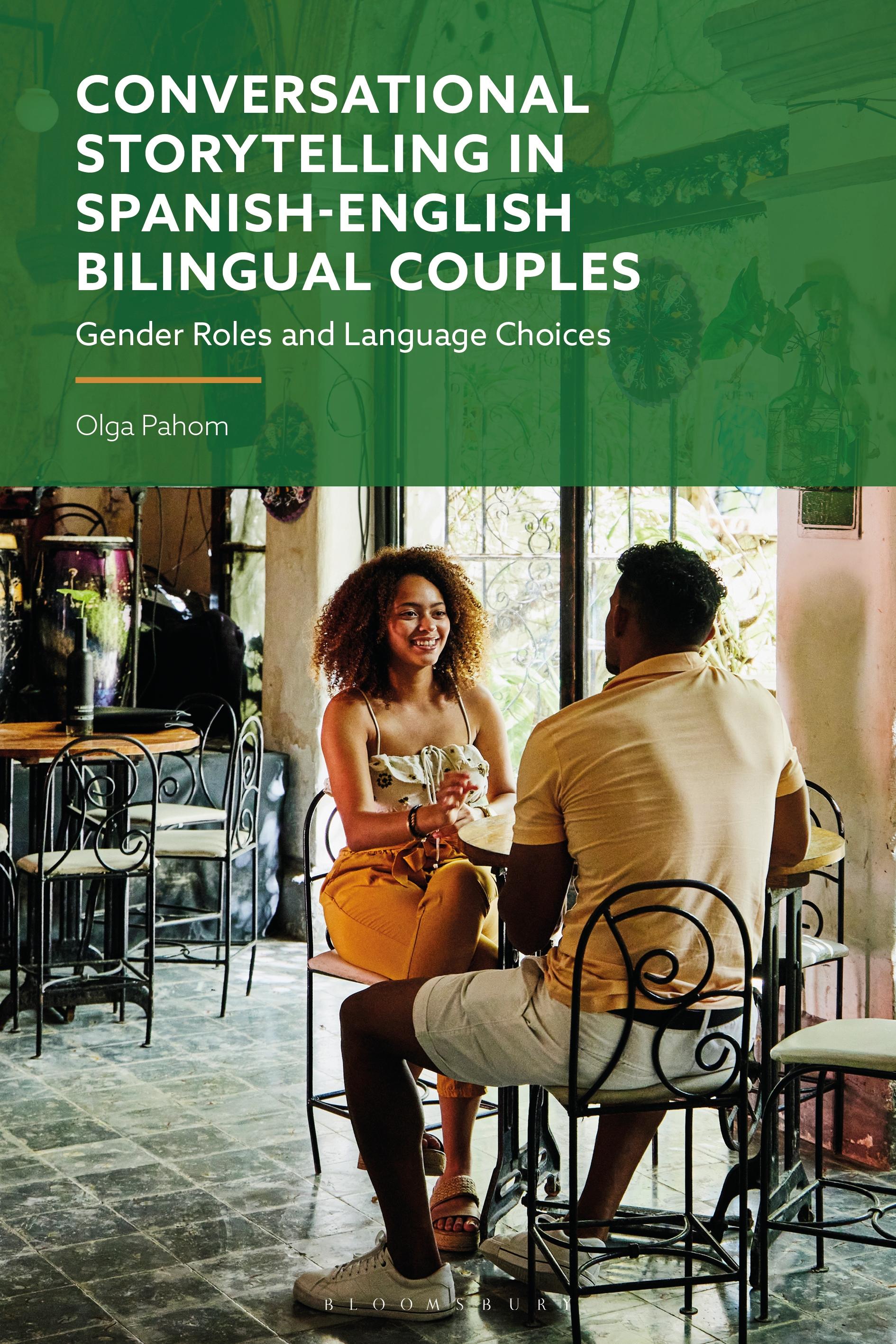
For more than three decades, the percentage of people who married someone of a different race, ethnicity, culture, or linguistic background has been on the rise in the United States, but the communication practices of such couples have remained understudied. Combining bilingualism, gender studies, and conversation analysis, this book explores and describes the storytelling practices and language choices of several married heterosexual Spanish-English bilingual couples, all residing in Texas but each from different geographic and cultural backgrounds.
Based on more than 900 minutes of conversations and interviews, the book offers a data-driven analysis of the ways in which language choices and gender performance shape the stories, conversations, and identities of bilingual couples, which in turn shape the social order of bilingual communities. Using a combination of methodologies to investigate how couples launch, tell, and respond to each other's stories, the book identifies seven main factors that the couples see as primary determinants of their choice of English and Spanish during couple communication. The use of conversation analysis highlights the couples' own practices and perceptions of their language choices, demonstrating how the private language decisions of bilingual couples enable them to negotiate a place in the larger culture, shape the future of bilingualism, and establish a couple identity through shared linguistic and cultural habits.
Based on more than 900 minutes of conversations and interviews, the book offers a data-driven analysis of the ways in which language choices and gender performance shape the stories, conversations, and identities of bilingual couples, which in turn shape the social order of bilingual communities. Using a combination of methodologies to investigate how couples launch, tell, and respond to each other's stories, the book identifies seven main factors that the couples see as primary determinants of their choice of English and Spanish during couple communication. The use of conversation analysis highlights the couples' own practices and perceptions of their language choices, demonstrating how the private language decisions of bilingual couples enable them to negotiate a place in the larger culture, shape the future of bilingualism, and establish a couple identity through shared linguistic and cultural habits.
Płać wygodnie kartą, Klarną, Apple Pay lub Google Pay. Nie jesteś zadowolony? Zawsze masz 14-dniową gwarancję zwrotu pieniędzy. Więcej przeczytasz w naszych warunkach. Masz pytania? Napisz do nas na hello@memmo.org.
Memmo ułatwia naukę – gdziekolwiek jesteś na świecie. U nas znajdziesz podręczniki i sprytne narzędzia do nauki w jednym miejscu: streszczenia, quizy, podcasty i fiszki. A do tego Ted, Twój kumpel do nauki, który odpowie na wszystko, co Cię nurtuje. Ponad 50 000 studentów już tu się uczy – stworzone, byś uczył się szybciej i mniej stresował.