
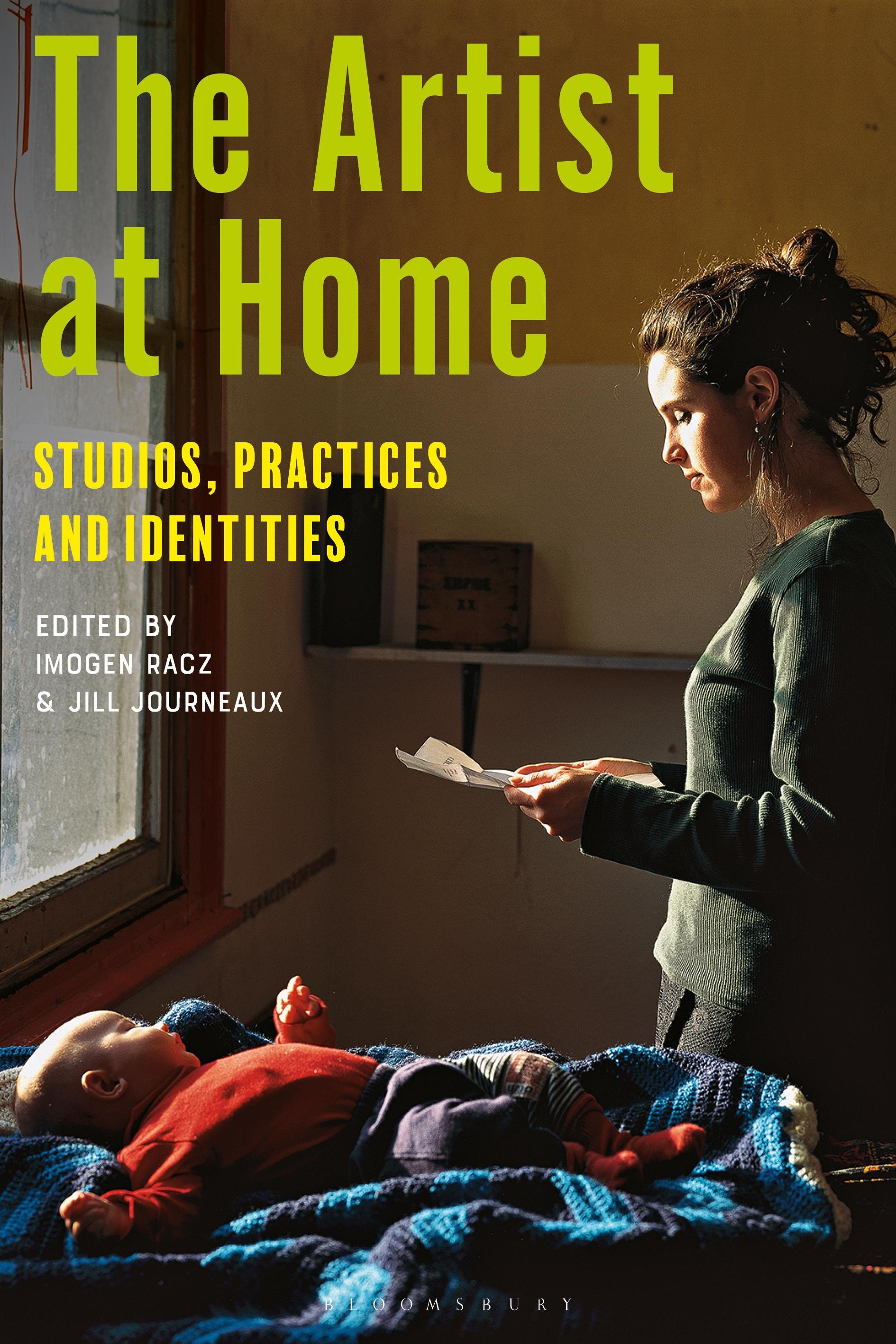
Artists have worked from home for many reasons, including care duties, financial or political constraints, or availability and proximity to others.
From the 'home studios' of Charles and Ray Eames, to the different photographic representations of Robert Rauschenberg's studio, this book explores the home as a distinct site of artistic practice, and the traditions and developments of the home studio as concept and space throughout the 20th and into the 21st century.
Using examples from across Europe and the Anglophone world between the mid-20th century and the present, each chapter considers the different circumstances for working at home, the impact on the creative lives of the artists, their identities as artists and on the work itself, and how, sometimes, these were projected and promoted through photographs and the media. Key themes include the gendered and performative aspects of women practising 'at home', collaborative studio communities of the 1970s – 90s including the appropriation of abandoned spaces in East London, and the effects of Covid on artistic practices and family life within the spaces of 'home'. The book comprises full-length chapters by artists, architects, art and design historians, each of whom bring different perspectives to the issues, interwoven with short interviews with artists to enrich and broaden the debates.
At a time when individual relationships to home environments have been radically altered, The Artist at Home considers why some artists in previous decades either needed to or chose to work from home, producing work of vitality and integrity. Tracing this long tradition into the present, the book will provide a deeper understanding of how the home studio has affected the practices and identity of artists working in different countries, and in different circumstances, from the mid-20th century to the present.
From the 'home studios' of Charles and Ray Eames, to the different photographic representations of Robert Rauschenberg's studio, this book explores the home as a distinct site of artistic practice, and the traditions and developments of the home studio as concept and space throughout the 20th and into the 21st century.
Using examples from across Europe and the Anglophone world between the mid-20th century and the present, each chapter considers the different circumstances for working at home, the impact on the creative lives of the artists, their identities as artists and on the work itself, and how, sometimes, these were projected and promoted through photographs and the media. Key themes include the gendered and performative aspects of women practising 'at home', collaborative studio communities of the 1970s – 90s including the appropriation of abandoned spaces in East London, and the effects of Covid on artistic practices and family life within the spaces of 'home'. The book comprises full-length chapters by artists, architects, art and design historians, each of whom bring different perspectives to the issues, interwoven with short interviews with artists to enrich and broaden the debates.
At a time when individual relationships to home environments have been radically altered, The Artist at Home considers why some artists in previous decades either needed to or chose to work from home, producing work of vitality and integrity. Tracing this long tradition into the present, the book will provide a deeper understanding of how the home studio has affected the practices and identity of artists working in different countries, and in different circumstances, from the mid-20th century to the present.
Płać wygodnie kartą, Klarną, Apple Pay lub Google Pay. Nie jesteś zadowolony? Zawsze masz 14-dniową gwarancję zwrotu pieniędzy. Więcej przeczytasz w naszych warunkach. Masz pytania? Napisz do nas na hello@memmo.org.
Memmo ułatwia naukę – gdziekolwiek jesteś na świecie. U nas znajdziesz podręczniki i sprytne narzędzia do nauki w jednym miejscu: streszczenia, quizy, podcasty i fiszki. A do tego Ted, Twój kumpel do nauki, który odpowie na wszystko, co Cię nurtuje. Ponad 50 000 studentów już tu się uczy – stworzone, byś uczył się szybciej i mniej stresował.