
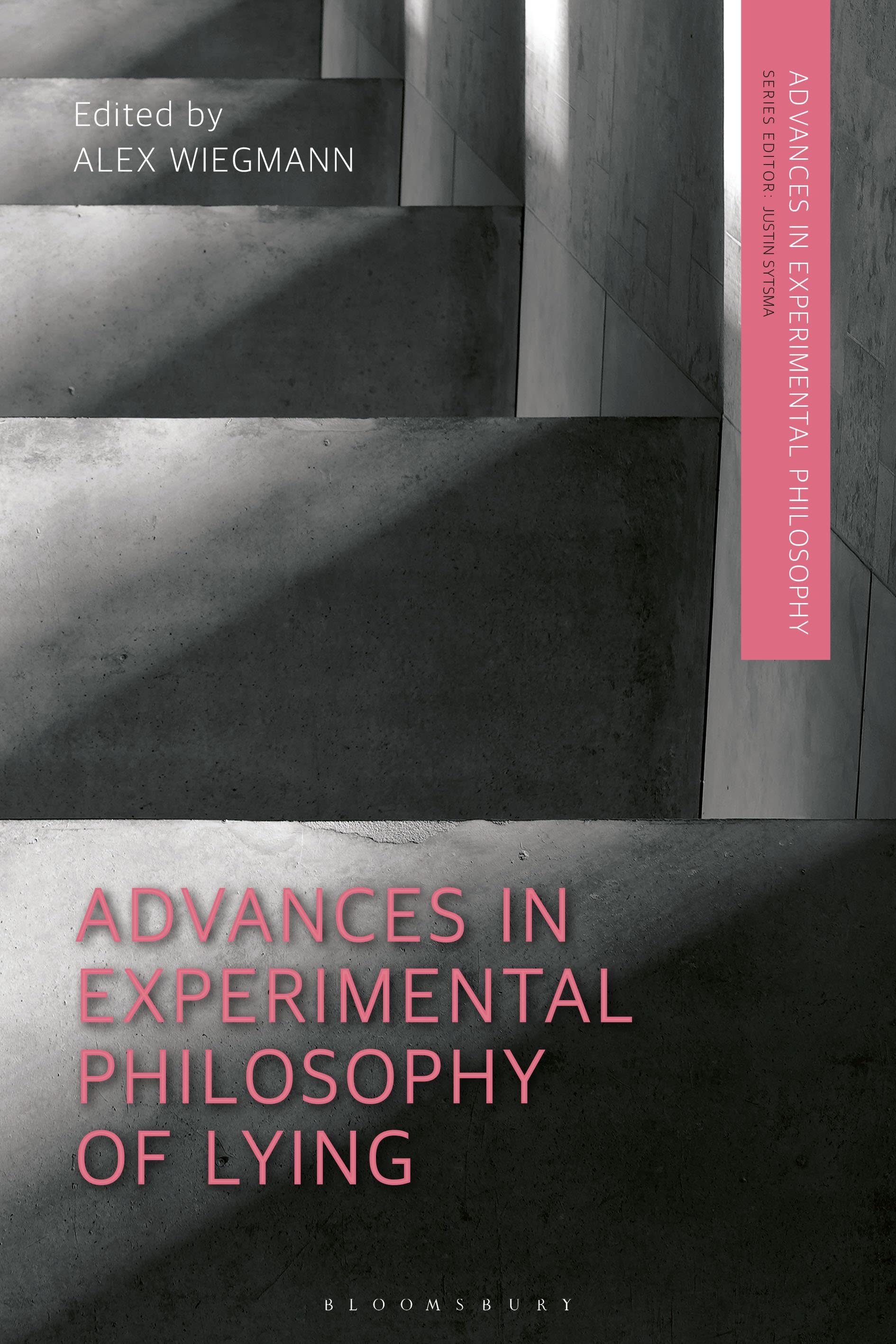
Lying is a familiar and morally important phenomenon. No matter if it is in election battles, in personal relationships or in the form of fake news – lying affects us almost every day. Showcasing cutting-edge research on the concept of lying, including work on blatant falsehoods, children's concept of lying and deception in the courtroom, this interdisciplinary collection examines what it means to lie and how lying should be defined.
Bringing together leading and rising scholars from philosophy, psychology, linguistics and anthropology, chapters present novel empirical findings using a variety of methods including experiments, armchair methods, corpus studies and fMRI. Advancing our understanding of the concept of lying, it also focuses on related concepts such as “fake news” and “bullshit”, as well as fundamental questions such as whether lying is morally worse than misleading. It is an essential resource for any student or scholar looking to stay ahead of the latest developments in the philosophy of lying and related fields in philosophy of language, ethics and moral philosophy, philosophy of law, moral psychology, linguistics and cognitive science.
Bringing together leading and rising scholars from philosophy, psychology, linguistics and anthropology, chapters present novel empirical findings using a variety of methods including experiments, armchair methods, corpus studies and fMRI. Advancing our understanding of the concept of lying, it also focuses on related concepts such as “fake news” and “bullshit”, as well as fundamental questions such as whether lying is morally worse than misleading. It is an essential resource for any student or scholar looking to stay ahead of the latest developments in the philosophy of lying and related fields in philosophy of language, ethics and moral philosophy, philosophy of law, moral psychology, linguistics and cognitive science.
Płać wygodnie kartą, Klarną, Apple Pay lub Google Pay. Nie jesteś zadowolony? Zawsze masz 14-dniową gwarancję zwrotu pieniędzy. Więcej przeczytasz w naszych warunkach. Masz pytania? Napisz do nas na hello@memmo.org.
Memmo ułatwia naukę – gdziekolwiek jesteś na świecie. U nas znajdziesz podręczniki i sprytne narzędzia do nauki w jednym miejscu: streszczenia, quizy, podcasty i fiszki. A do tego Ted, Twój kumpel do nauki, który odpowie na wszystko, co Cię nurtuje. Ponad 50 000 studentów już tu się uczy – stworzone, byś uczył się szybciej i mniej stresował.