
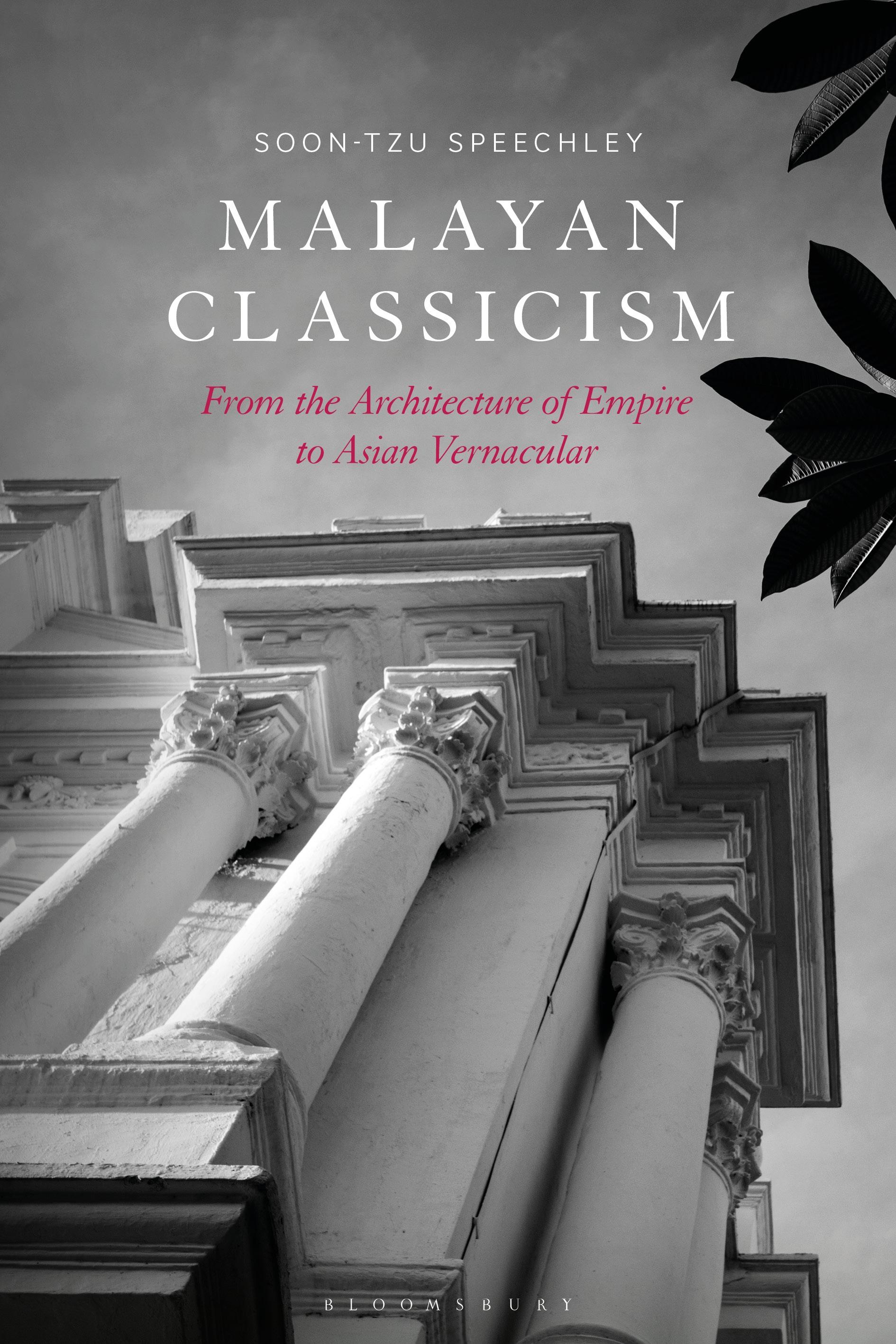
Through a broad range of case studies spanning from imperial monuments to rural residences, Malayan Classicism puts forward a fundamentally new understanding of classical architecture in the Asian colonial context.
Across Malaysia and Singapore, thousands of historic buildings are richly ornamented with motifs drawn from Ancient Greece and Rome - as plump volutes, lush acanthus leaves, and neat rows of dentils decorate mosques, palaces, government buildings and innumerable terraced shophouses. These classical details jostle with ideas drawn from other architectural traditions from across Asia in a style that is unique to the region.
Presenting the first comprehensive account of what was, prior to World War II, Malaya's most widespread architectural style, Malayan Classicism explores how the classical architecture of the British Empire was transmitted, translated, and transformed in the hands of local builders and architects. Addressing a critical gap in the scholarship, this book charts the metamorphosis of an imperial language of power into a local vernacular style, and provides a new way of reading classical architecture in a post-colonial context that will be applicable throughout the Global South.
Across Malaysia and Singapore, thousands of historic buildings are richly ornamented with motifs drawn from Ancient Greece and Rome - as plump volutes, lush acanthus leaves, and neat rows of dentils decorate mosques, palaces, government buildings and innumerable terraced shophouses. These classical details jostle with ideas drawn from other architectural traditions from across Asia in a style that is unique to the region.
Presenting the first comprehensive account of what was, prior to World War II, Malaya's most widespread architectural style, Malayan Classicism explores how the classical architecture of the British Empire was transmitted, translated, and transformed in the hands of local builders and architects. Addressing a critical gap in the scholarship, this book charts the metamorphosis of an imperial language of power into a local vernacular style, and provides a new way of reading classical architecture in a post-colonial context that will be applicable throughout the Global South.
Strony: 256
Kategoria: Arkitektur & Stadsplanering
e-ISBN: 9781350360365
Waga przesyłki: 1.2 kg
Wysyłka w ciągu: 1-2 dni
Płać wygodnie kartą, Klarną, Apple Pay lub Google Pay. Nie jesteś zadowolony? Zawsze masz 14-dniową gwarancję zwrotu pieniędzy. Więcej przeczytasz w naszych warunkach. Masz pytania? Napisz do nas na hello@memmo.org.
Memmo ułatwia naukę – gdziekolwiek jesteś na świecie. U nas znajdziesz podręczniki i sprytne narzędzia do nauki w jednym miejscu: streszczenia, quizy, podcasty i fiszki. A do tego Ted, Twój kumpel do nauki, który odpowie na wszystko, co Cię nurtuje. Ponad 50 000 studentów już tu się uczy – stworzone, byś uczył się szybciej i mniej stresował.