
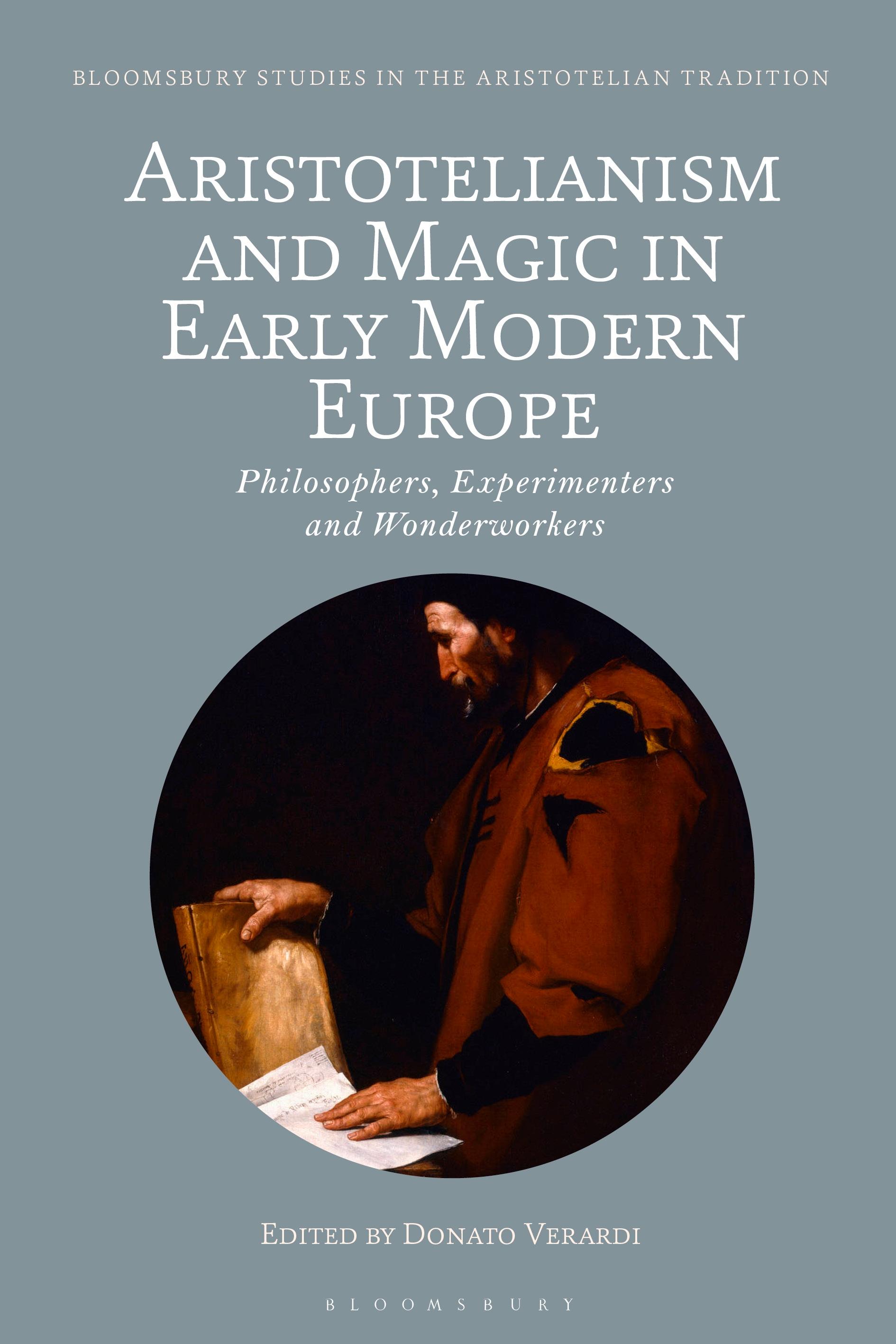
Reframing Aristotle's natural philosophy, this wide-ranging collection of essays reveals the centrality of magic to his thinking. From late medieval and Renaissance discussions on the attribution of magical works to Aristotle to the philosophical and social justifications of magic, international contributors chart magic as the mother science of natural philosophy.
Tracing the nascent presence of Aristotelianism in early modern Europe, this volume shows the adaptability and openness of Aristotelianism to magic. Weaving the paranormal and the scientific together, it pairs the supposed superstition of the pre-modern era with modern scientific sensibilities. Essays focus on the work of early modern scholars and magicians such as Giambattista Della Porta, Wolferd Senguerd, and Johann Nikolaus Martius. The attribution of the Secretum secretorum to Aristotle, the role of illusionism, and the relationship between the technical and magical all provide further insight into the complex picture of magic, Aristotle and early modern Europe.
Aristotelianism and Magic in Early Modern Europe proposes an innovative way of approaching the development of pre-modern science whilst also acknowledging the crucial role that concepts like magic and illusion played in Aristotle's time.
Tracing the nascent presence of Aristotelianism in early modern Europe, this volume shows the adaptability and openness of Aristotelianism to magic. Weaving the paranormal and the scientific together, it pairs the supposed superstition of the pre-modern era with modern scientific sensibilities. Essays focus on the work of early modern scholars and magicians such as Giambattista Della Porta, Wolferd Senguerd, and Johann Nikolaus Martius. The attribution of the Secretum secretorum to Aristotle, the role of illusionism, and the relationship between the technical and magical all provide further insight into the complex picture of magic, Aristotle and early modern Europe.
Aristotelianism and Magic in Early Modern Europe proposes an innovative way of approaching the development of pre-modern science whilst also acknowledging the crucial role that concepts like magic and illusion played in Aristotle's time.
Płać wygodnie kartą, Klarną, Apple Pay lub Google Pay. Nie jesteś zadowolony? Zawsze masz 14-dniową gwarancję zwrotu pieniędzy. Więcej przeczytasz w naszych warunkach. Masz pytania? Napisz do nas na hello@memmo.org.
Memmo ułatwia naukę – gdziekolwiek jesteś na świecie. U nas znajdziesz podręczniki i sprytne narzędzia do nauki w jednym miejscu: streszczenia, quizy, podcasty i fiszki. A do tego Ted, Twój kumpel do nauki, który odpowie na wszystko, co Cię nurtuje. Ponad 50 000 studentów już tu się uczy – stworzone, byś uczył się szybciej i mniej stresował.