
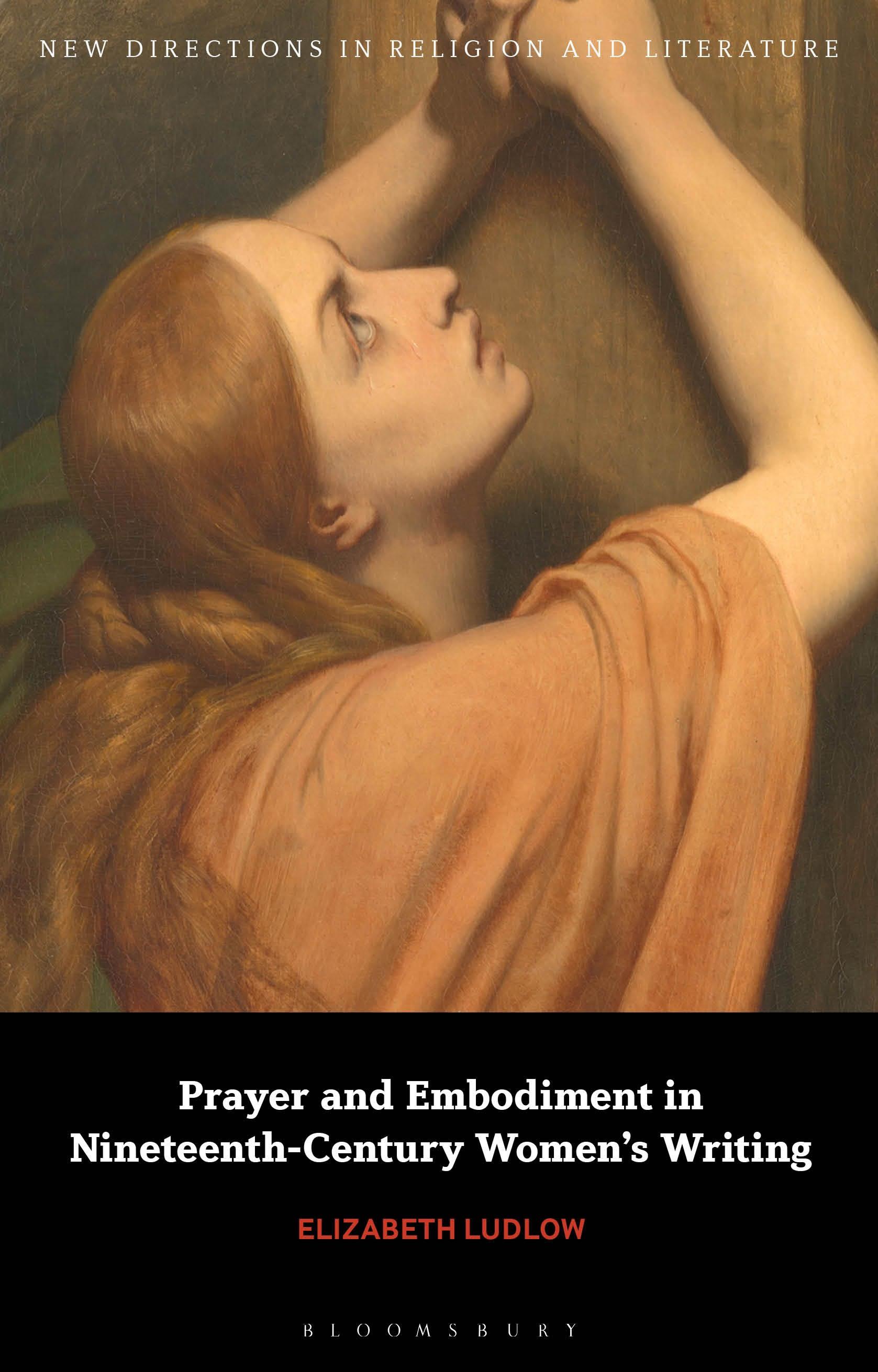
In the 19th century, an era that saw a reconfiguration of the relationship between the self, the world and the divine, women writers probed the theological depths of embodied faith in new ways through poetry, fiction, devotional prose and life writing.
Elizabeth Ludlow explores how, through this process, they articulated what it means to pray, and thereby understand one's place in a world of individual and communal bodies. The eight women writers discussed – Elizabeth Barrett Browning, Josephine Butler, George Eliot, Elizabeth Gaskell, Dora Greenwell, Felicia Hemans, Adelaide Procter and Christina Rossetti – provide accounts of prayer that stress that the only way to experience and respond to something of the transcendent is through embracing lived experience and through a recognition of the connectedness of all bodies.
In detailing how these writers engage with new ways of thinking about faith, desire and the material world, Ludlow argues that they offer models for ethical modes of being in the world and pave the way for later theologies of embodiment.
Elizabeth Ludlow explores how, through this process, they articulated what it means to pray, and thereby understand one's place in a world of individual and communal bodies. The eight women writers discussed – Elizabeth Barrett Browning, Josephine Butler, George Eliot, Elizabeth Gaskell, Dora Greenwell, Felicia Hemans, Adelaide Procter and Christina Rossetti – provide accounts of prayer that stress that the only way to experience and respond to something of the transcendent is through embracing lived experience and through a recognition of the connectedness of all bodies.
In detailing how these writers engage with new ways of thinking about faith, desire and the material world, Ludlow argues that they offer models for ethical modes of being in the world and pave the way for later theologies of embodiment.
Płać wygodnie kartą, Klarną, Apple Pay lub Google Pay. Nie jesteś zadowolony? Zawsze masz 14-dniową gwarancję zwrotu pieniędzy. Więcej przeczytasz w naszych warunkach. Masz pytania? Napisz do nas na hello@memmo.org.
Memmo ułatwia naukę – gdziekolwiek jesteś na świecie. U nas znajdziesz podręczniki i sprytne narzędzia do nauki w jednym miejscu: streszczenia, quizy, podcasty i fiszki. A do tego Ted, Twój kumpel do nauki, który odpowie na wszystko, co Cię nurtuje. Ponad 50 000 studentów już tu się uczy – stworzone, byś uczył się szybciej i mniej stresował.