
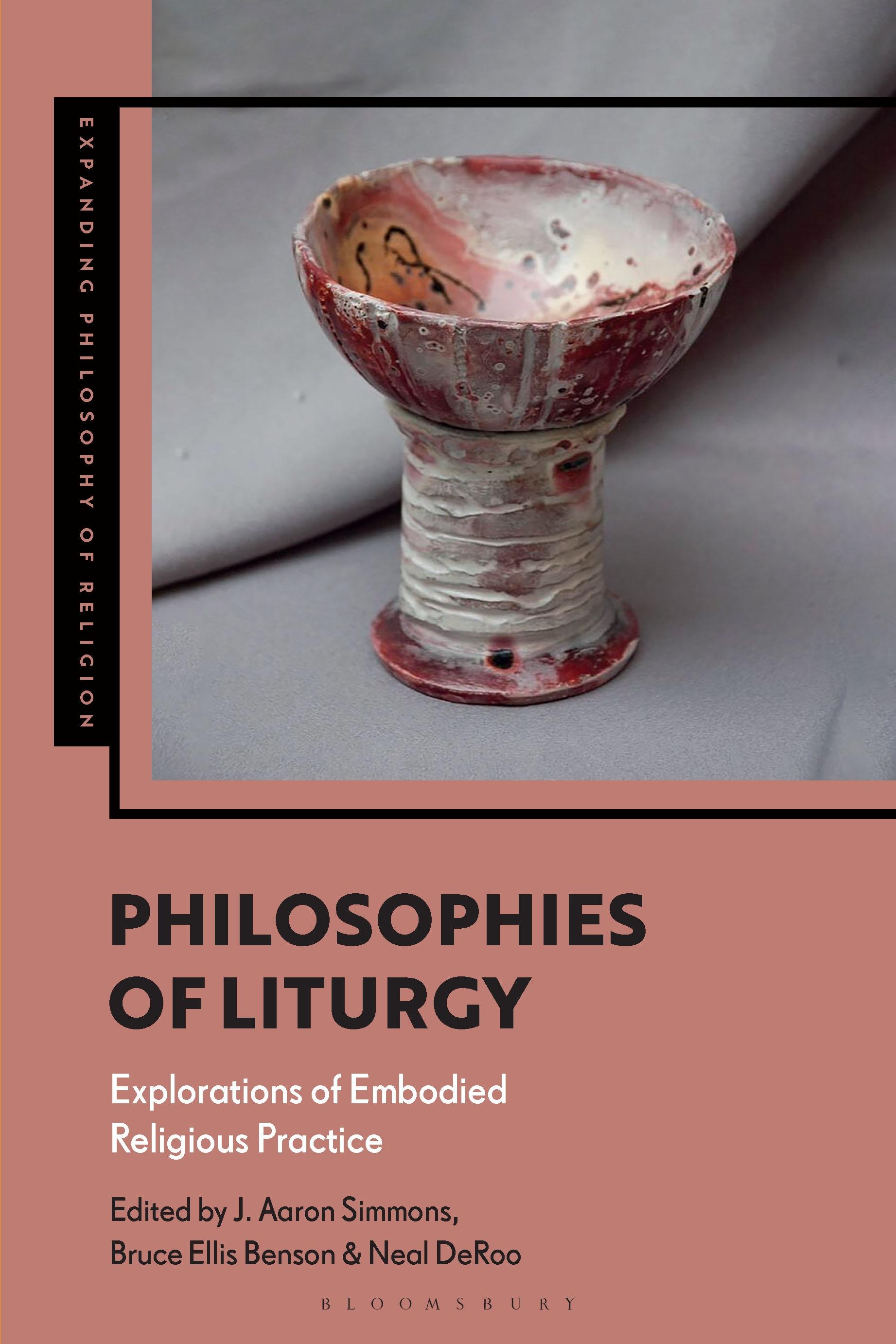
Mainstream philosophy of religion has primarily focused on the truth and justification of religious beliefs even though belief is only one small facet of religious life. This collection remedies this by taking practice and embodied action seriously as fundamental elements of any philosophy of religion.
Emerging and established voices across different philosophical traditions come together to consider religious actions, including public worship, from perspectives such as trauma and social ontology, sound and silence, and knowledge and hope. Embodied religious practice is viewed through the lens of liturgy, intrinsically connecting religious rituals to human existence to show clearly that, no matter where one finds oneself in terms of the so-called 'analytic-continental' divide, philosophy of religion must be concerned with more than just beliefs if it is to adequately deal with the subject matter of 'religion.'
The purpose of these studies is not to reject what has gone before but to expand the focus of philosophy of religion. This approach lays the groundwork for investigations into how beliefs are situated in our theological, moral, and social frameworks. For any philosophy of religion student or scholar interested in how thinking and living well are intimately related, this is a go-to resource. It takes seriously the importance of historical religious traditions and communities, opening the space for cross-cultural and interdisciplinary debates.
Emerging and established voices across different philosophical traditions come together to consider religious actions, including public worship, from perspectives such as trauma and social ontology, sound and silence, and knowledge and hope. Embodied religious practice is viewed through the lens of liturgy, intrinsically connecting religious rituals to human existence to show clearly that, no matter where one finds oneself in terms of the so-called 'analytic-continental' divide, philosophy of religion must be concerned with more than just beliefs if it is to adequately deal with the subject matter of 'religion.'
The purpose of these studies is not to reject what has gone before but to expand the focus of philosophy of religion. This approach lays the groundwork for investigations into how beliefs are situated in our theological, moral, and social frameworks. For any philosophy of religion student or scholar interested in how thinking and living well are intimately related, this is a go-to resource. It takes seriously the importance of historical religious traditions and communities, opening the space for cross-cultural and interdisciplinary debates.
Płać wygodnie kartą, Klarną, Apple Pay lub Google Pay. Nie jesteś zadowolony? Zawsze masz 14-dniową gwarancję zwrotu pieniędzy. Więcej przeczytasz w naszych warunkach. Masz pytania? Napisz do nas na hello@memmo.org.
Memmo ułatwia naukę – gdziekolwiek jesteś na świecie. U nas znajdziesz podręczniki i sprytne narzędzia do nauki w jednym miejscu: streszczenia, quizy, podcasty i fiszki. A do tego Ted, Twój kumpel do nauki, który odpowie na wszystko, co Cię nurtuje. Ponad 50 000 studentów już tu się uczy – stworzone, byś uczył się szybciej i mniej stresował.