
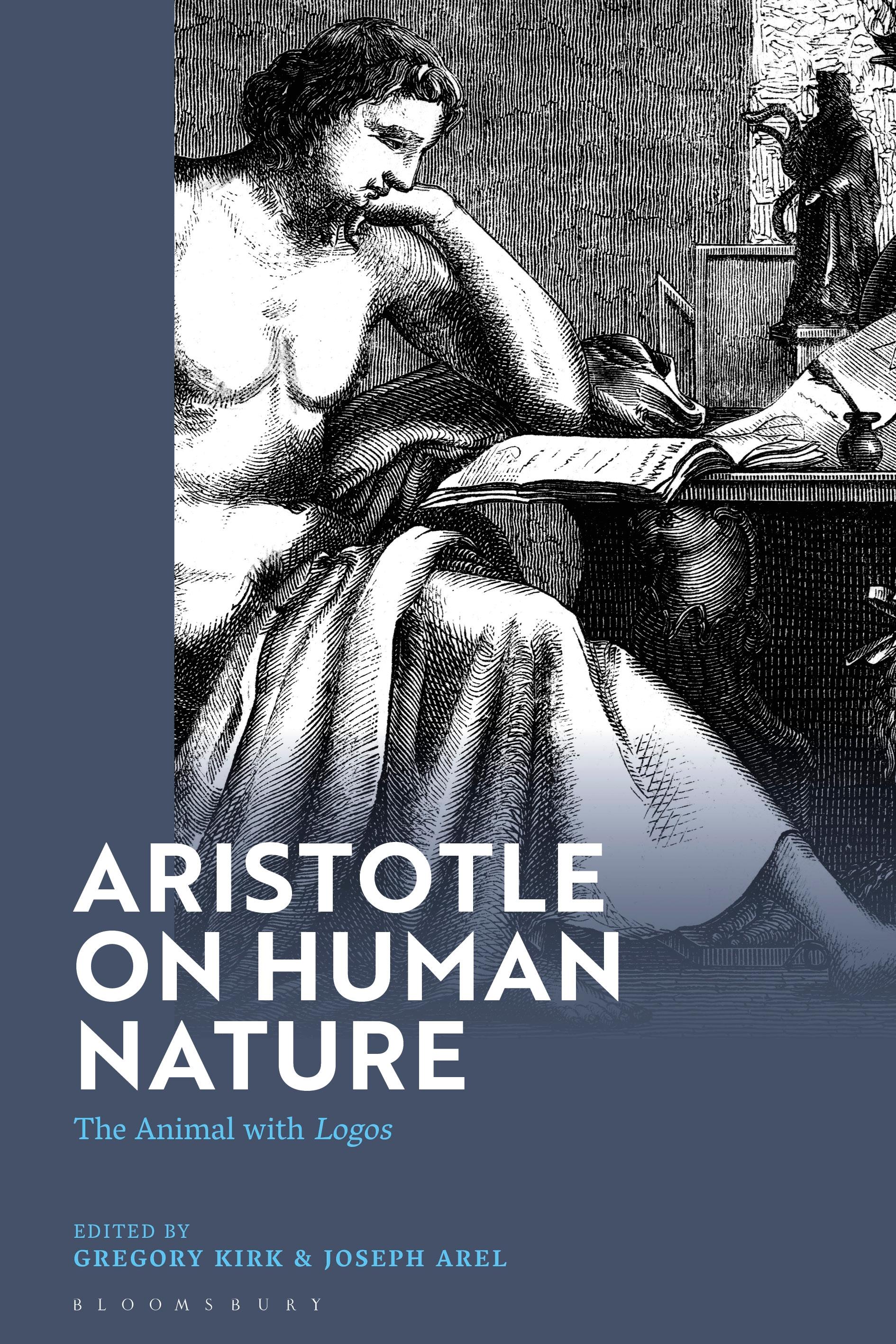
Exploring Aristotle's concept of logos, this volume advances our understanding of it as a singular feature of human nature by arguing that it is the organizing principle of human life itself.
Tracing its multiple meanings in different contexts, including reason, logic, speech, ratio, account, and form, contributors highlight the ways in which we can see logos in human thinking, in the organizing principles of our bodies, in our perception of the world, in our social and political life, and through our productive and fine arts. Through this focus, logos reveals itself not as one feature amongst others, but instead as the feature that organizes all others, from the most “animal” to the most “spiritual.” By presenting logos in this way, readers gain a complex account of the philosophy of human nature.
Tracing its multiple meanings in different contexts, including reason, logic, speech, ratio, account, and form, contributors highlight the ways in which we can see logos in human thinking, in the organizing principles of our bodies, in our perception of the world, in our social and political life, and through our productive and fine arts. Through this focus, logos reveals itself not as one feature amongst others, but instead as the feature that organizes all others, from the most “animal” to the most “spiritual.” By presenting logos in this way, readers gain a complex account of the philosophy of human nature.
Płać wygodnie kartą, Klarną, Apple Pay lub Google Pay. Nie jesteś zadowolony? Zawsze masz 14-dniową gwarancję zwrotu pieniędzy. Więcej przeczytasz w naszych warunkach. Masz pytania? Napisz do nas na hello@memmo.org.
Memmo ułatwia naukę – gdziekolwiek jesteś na świecie. U nas znajdziesz podręczniki i sprytne narzędzia do nauki w jednym miejscu: streszczenia, quizy, podcasty i fiszki. A do tego Ted, Twój kumpel do nauki, który odpowie na wszystko, co Cię nurtuje. Ponad 50 000 studentów już tu się uczy – stworzone, byś uczył się szybciej i mniej stresował.