
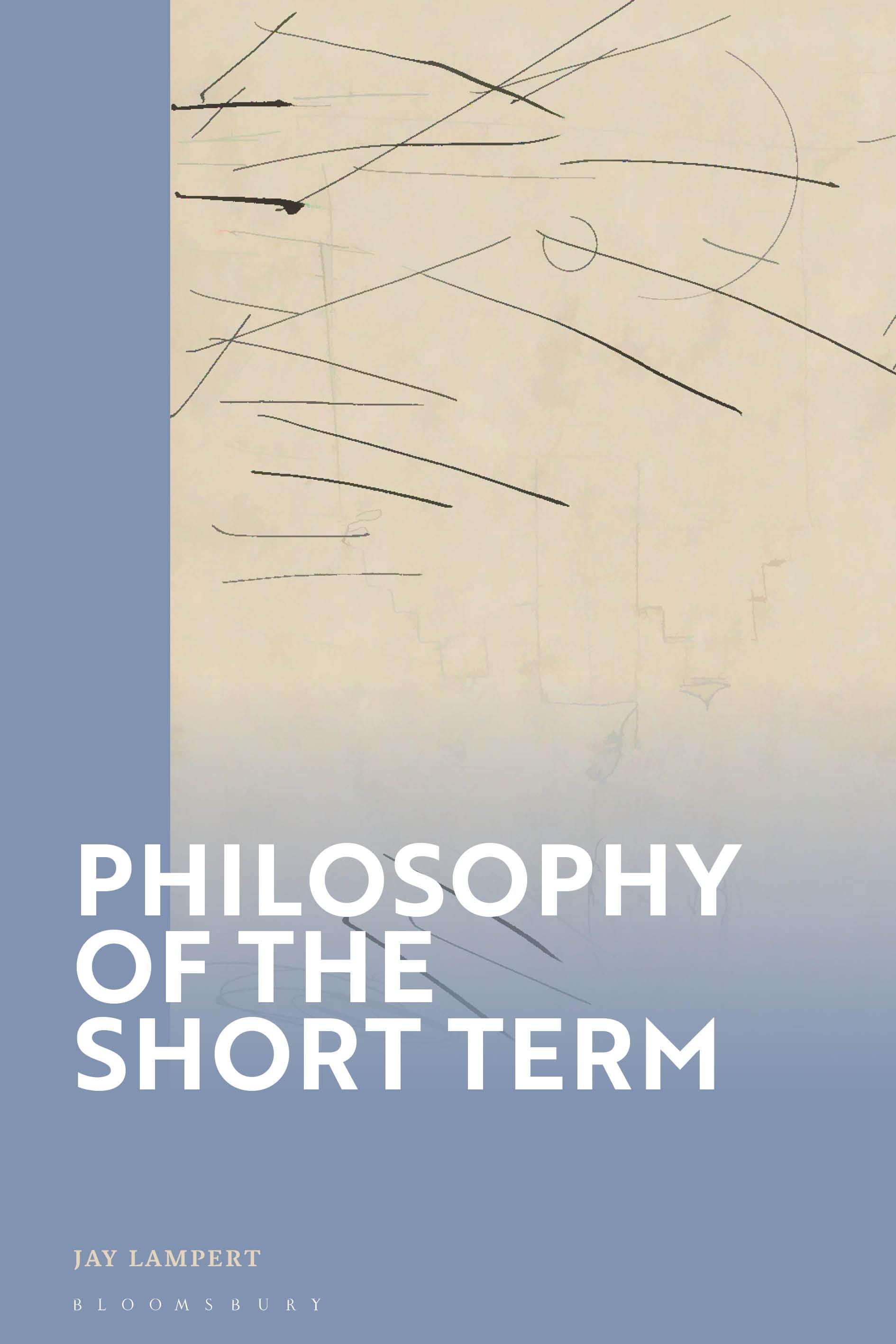
The concept of the short term involves a complex network of quantitative, qualitative, and operational ideas. It is essential everywhere from the ontology of time, to the science of memory, to the preservation of art, to emotional life, to the practice of ethics. But what does the idea of the short term mean? What makes a temporal term short? What makes a time segment terminate? Is the short term a quantitative idea, or a qualitative or functional idea? When is it a good idea to understand events as short term events, and when is it a good idea to make decisions based on the short term? What does it mean for the nature of time if some of it can be short?
Jay Lampert explores these questions in depth and makes use of the resources of short (as well as long) term processes in order to develop best temporal practices in ethical, aesthetic, epistemological, and metaphysical activities, both theoretical and practical. The methodology develops ideas based on the history of philosophy (from Plato to Hegel to Husserl to Deleuze), interdisciplinary studies (from cognitive science to poetics), and practical spheres where short term practices have been studied extensively (from short term psychotherapy to short term financial investments). Philosophy of the Short Term is the first book to deal systematically with the concept of the short term.
Jay Lampert explores these questions in depth and makes use of the resources of short (as well as long) term processes in order to develop best temporal practices in ethical, aesthetic, epistemological, and metaphysical activities, both theoretical and practical. The methodology develops ideas based on the history of philosophy (from Plato to Hegel to Husserl to Deleuze), interdisciplinary studies (from cognitive science to poetics), and practical spheres where short term practices have been studied extensively (from short term psychotherapy to short term financial investments). Philosophy of the Short Term is the first book to deal systematically with the concept of the short term.
Płać wygodnie kartą, Klarną, Apple Pay lub Google Pay. Nie jesteś zadowolony? Zawsze masz 14-dniową gwarancję zwrotu pieniędzy. Więcej przeczytasz w naszych warunkach. Masz pytania? Napisz do nas na hello@memmo.org.
Memmo ułatwia naukę – gdziekolwiek jesteś na świecie. U nas znajdziesz podręczniki i sprytne narzędzia do nauki w jednym miejscu: streszczenia, quizy, podcasty i fiszki. A do tego Ted, Twój kumpel do nauki, który odpowie na wszystko, co Cię nurtuje. Ponad 50 000 studentów już tu się uczy – stworzone, byś uczył się szybciej i mniej stresował.