
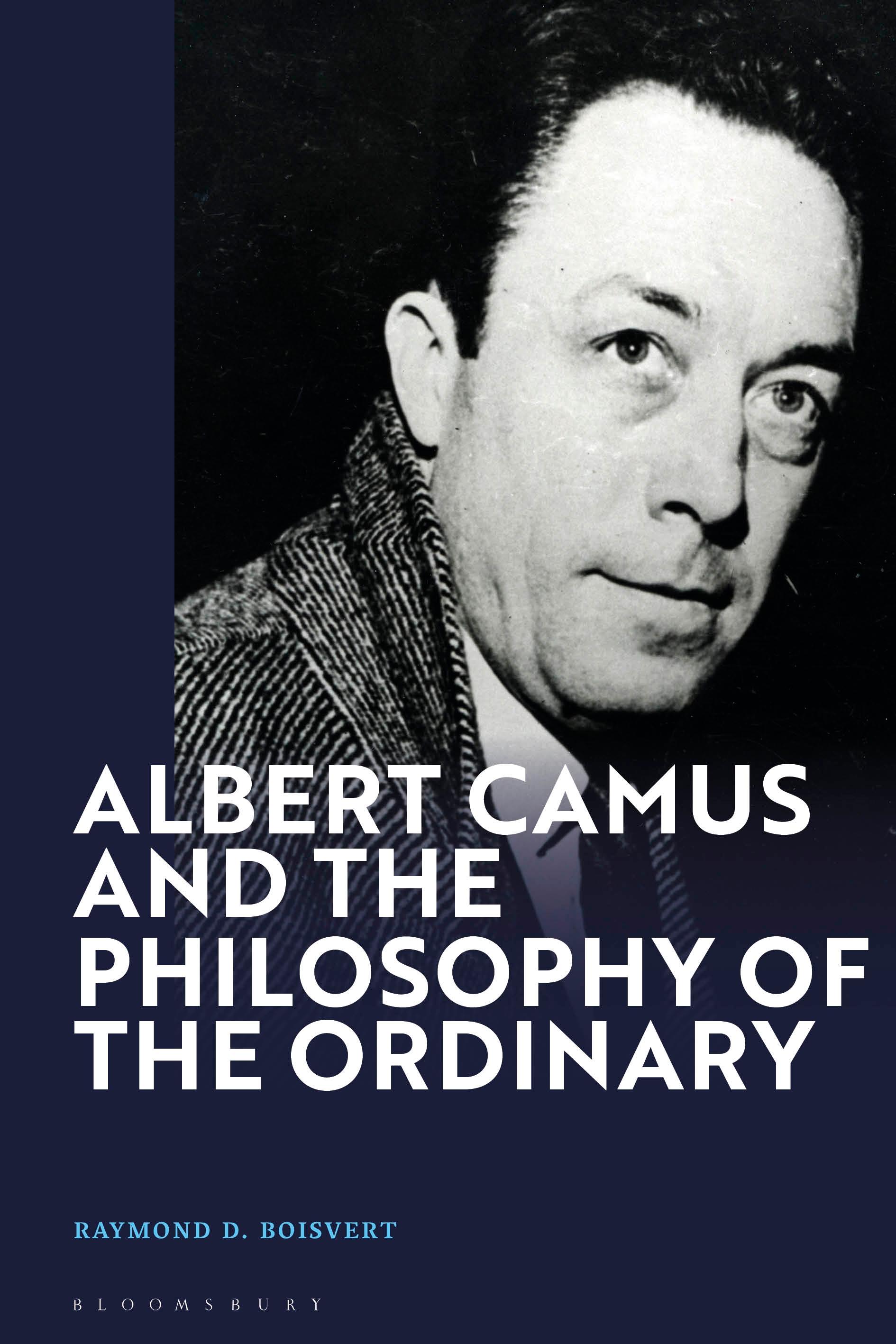
The standard interpretation keeps repeating that Camus is the prototypical “absurdist” thinker. Such a reading freezes Camus at the stage at which he wrote The Stranger and The Myth of Sisyphus. By taking seriously how (1) Camus was always searching and (2) the rest of his corpus, Albert Camus and the Philosophy of the Ordinary corrects the one-sided, and thus faulty, depiction of Camus as committed to a philosophy of absurdism. His guiding project, which he explicitly acknowledged, was an attempt to get beyond nihilism, the general dismissal of value and meaning in ordinary life. Tracing this project via Camus's works, Albert Camus and the Philosophy of the Ordinary, offers a new lens for thinking about the well-known author.
Płać wygodnie kartą, Klarną, Apple Pay lub Google Pay. Nie jesteś zadowolony? Zawsze masz 14-dniową gwarancję zwrotu pieniędzy. Więcej przeczytasz w naszych warunkach. Masz pytania? Napisz do nas na hello@memmo.org.
Memmo ułatwia naukę – gdziekolwiek jesteś na świecie. U nas znajdziesz podręczniki i sprytne narzędzia do nauki w jednym miejscu: streszczenia, quizy, podcasty i fiszki. A do tego Ted, Twój kumpel do nauki, który odpowie na wszystko, co Cię nurtuje. Ponad 50 000 studentów już tu się uczy – stworzone, byś uczył się szybciej i mniej stresował.