
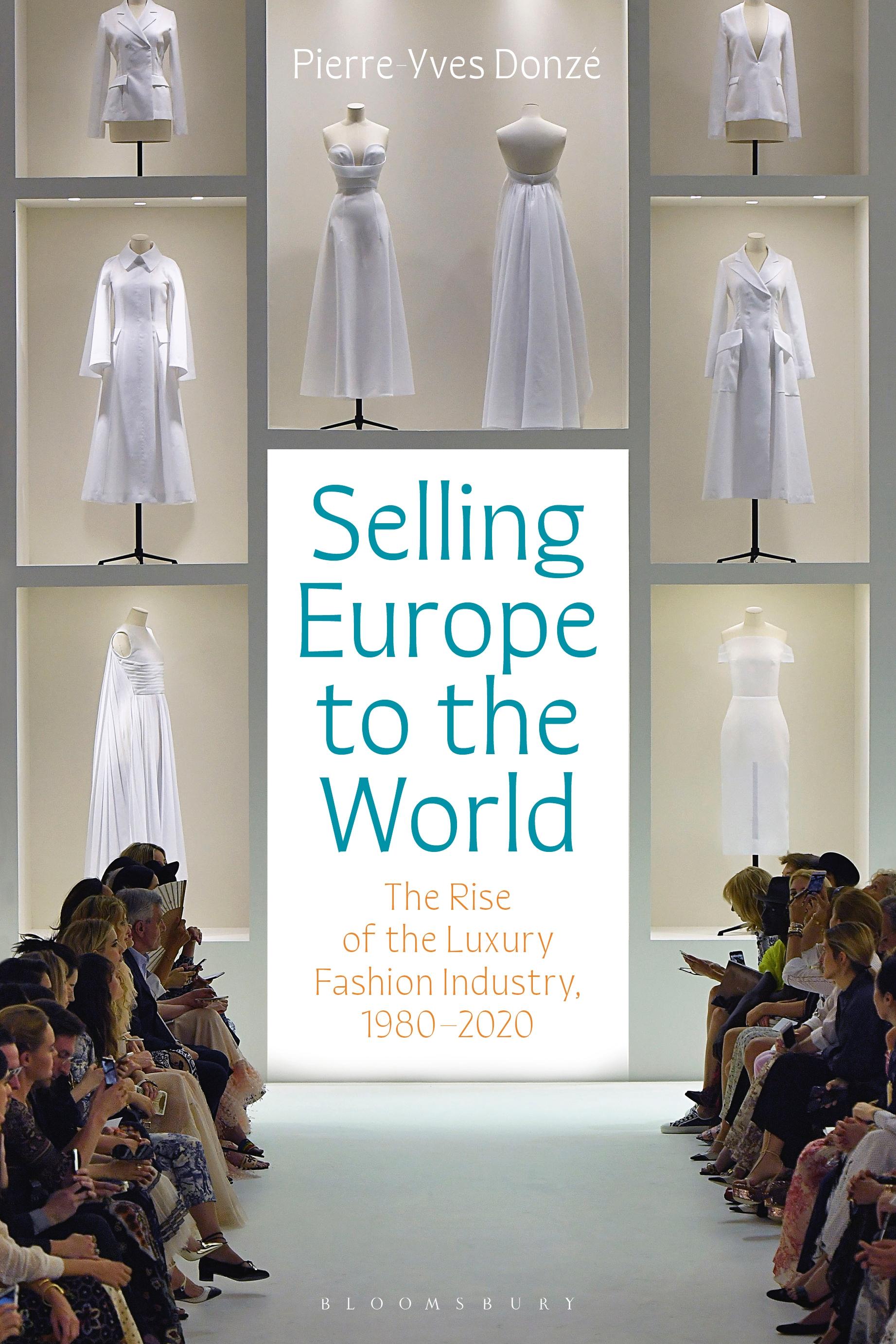
Chanel suits, Louis Vuitton bags and Omega watches are now objects that embody a globalized material culture. Over the past 30 years, the luxury goods industry has undergone a tremendous expansion around the world. However, it remains largely dominated by European companies, ranging from diversified conglomerates such as LVMH and Richemont to independent companies such as the Italian fashion houses Armani and Ermenegildo Zegna, and industrial groups like Swatch and L'Oréal or new start-ups such as Richard Mille. How and why did these companies succeed? How did they manage to transform a sector previously dominated by small family firms into a global big business?
Selling Europe to the World presents the development of the global luxury goods industry from the 1980s to the present day. It highlights the strategies implemented by a new generation of entrepreneurs and explains, beyond the glamorous image conveyed by luxury brands, the sources of success of these firms. An essential book for understanding the success of the contemporary luxury industry.
Selling Europe to the World presents the development of the global luxury goods industry from the 1980s to the present day. It highlights the strategies implemented by a new generation of entrepreneurs and explains, beyond the glamorous image conveyed by luxury brands, the sources of success of these firms. An essential book for understanding the success of the contemporary luxury industry.
Płać wygodnie kartą, Klarną, Apple Pay lub Google Pay. Nie jesteś zadowolony? Zawsze masz 14-dniową gwarancję zwrotu pieniędzy. Więcej przeczytasz w naszych warunkach. Masz pytania? Napisz do nas na hello@memmo.org.
Memmo ułatwia naukę – gdziekolwiek jesteś na świecie. U nas znajdziesz podręczniki i sprytne narzędzia do nauki w jednym miejscu: streszczenia, quizy, podcasty i fiszki. A do tego Ted, Twój kumpel do nauki, który odpowie na wszystko, co Cię nurtuje. Ponad 50 000 studentów już tu się uczy – stworzone, byś uczył się szybciej i mniej stresował.