
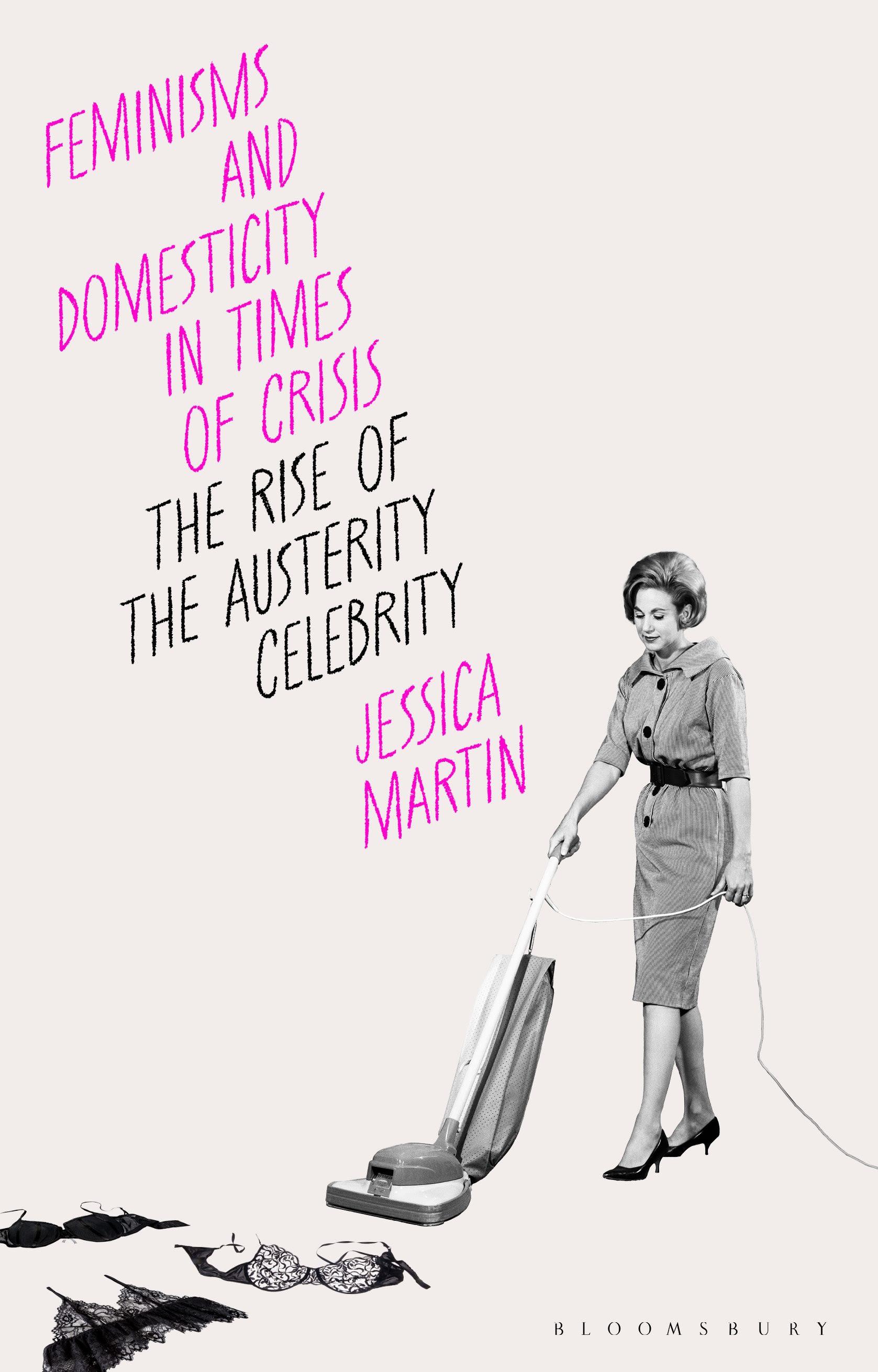
How can we make sense of intensifying gender inequalities amid the growing visibility of popular, media-driven feminism? Can domestic cultures offer a space for feminist response and resistance to austerity?
Feminisms and Domesticity in Times of Crisis seeks to address these questions, exploring how the revival of traditionally feminine domestic activities, such as crafting, baking and sewing exemplified by cultural figures such as the “trad-wife”, has coincided with the re-politicisation and heightened visibility of domestic culture during an era of austerity. Jessica Martin offers an in-depth analysis of public figures who have forged 'austerity celebrity' personas that blend domesticity with activism, producing a popular but complex strand of neoliberal feminism.
Examining figures like Kirstie Allsopp, Justine Roberts, Jen Gale, and anti-austerity blogger and cook Jack Monroe, Martin examines how each figure develops a distinct form of politicised domesticity. Their responses span the political spectrum-from Allsopp's promotion of the 'Big Society' and conservative individualism to Roberts' transformation of motherhood into parliamentary activism.
Martin also considers how this nostalgic turn to domesticity intensified during the COVID-19 crisis, reinforcing narratives of white femininity, patriotic stoicism, and the so-called British blitz spirit, while helping to obscure the escalating inequalities of austerity-era Britain. Martin argues that the convergence of nostalgia and femininity has produced new discourses of performative thrift, feminized labour and aspirational domesticity which are key resources for the justification of austerity policy.
Feminisms and Domesticity in Times of Crisis seeks to address these questions, exploring how the revival of traditionally feminine domestic activities, such as crafting, baking and sewing exemplified by cultural figures such as the “trad-wife”, has coincided with the re-politicisation and heightened visibility of domestic culture during an era of austerity. Jessica Martin offers an in-depth analysis of public figures who have forged 'austerity celebrity' personas that blend domesticity with activism, producing a popular but complex strand of neoliberal feminism.
Examining figures like Kirstie Allsopp, Justine Roberts, Jen Gale, and anti-austerity blogger and cook Jack Monroe, Martin examines how each figure develops a distinct form of politicised domesticity. Their responses span the political spectrum-from Allsopp's promotion of the 'Big Society' and conservative individualism to Roberts' transformation of motherhood into parliamentary activism.
Martin also considers how this nostalgic turn to domesticity intensified during the COVID-19 crisis, reinforcing narratives of white femininity, patriotic stoicism, and the so-called British blitz spirit, while helping to obscure the escalating inequalities of austerity-era Britain. Martin argues that the convergence of nostalgia and femininity has produced new discourses of performative thrift, feminized labour and aspirational domesticity which are key resources for the justification of austerity policy.
Płać wygodnie kartą, Klarną, Apple Pay lub Google Pay. Nie jesteś zadowolony? Zawsze masz 14-dniową gwarancję zwrotu pieniędzy. Więcej przeczytasz w naszych warunkach. Masz pytania? Napisz do nas na hello@memmo.org.
Memmo ułatwia naukę – gdziekolwiek jesteś na świecie. U nas znajdziesz podręczniki i sprytne narzędzia do nauki w jednym miejscu: streszczenia, quizy, podcasty i fiszki. A do tego Ted, Twój kumpel do nauki, który odpowie na wszystko, co Cię nurtuje. Ponad 50 000 studentów już tu się uczy – stworzone, byś uczył się szybciej i mniej stresował.