
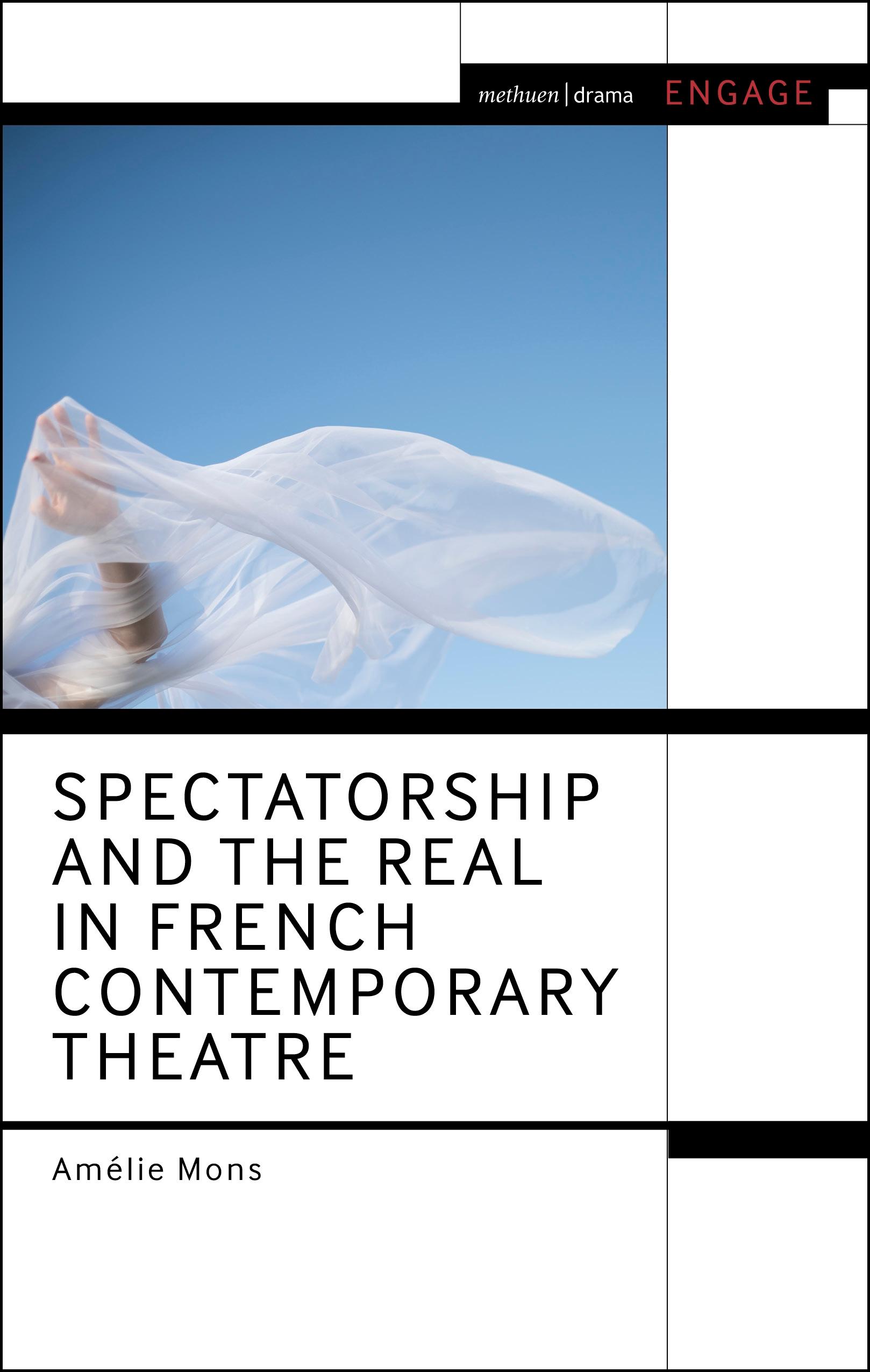
This book explores how avant-garde directors in French theatre play on their audiences' frustration to generate an encounter with the real.
Focusing on the work of directors such as Gisèle Vienne, Jan Lauwers, Rodrigo Garcia, Jan Fabre and Romeo Castellucci, the book looks at how these directors manipulate their audiences to experience a raw perception of materiality and physical bodies on stage, set within narratives of mystery and the uncanny. This approach has led to these directors' work described as 'obscene', 'pretentious', 'demagogic' and 'provocative'.
Because of this, the act of spectating and the nature of spectatorship itself becomes complicated and tends to leave French audiences doubting traditional codes and practices. It leads to the directors' work being misjudged and to contradictory discourses between critics, researchers and directors.
The book examines how directors implement strategies on stage to trigger such experiences, while evaluating how problematic these strategies are. It develops critical and philosophical tools that help spectators extend their field of perception and better engage with these contemporary practices. And, in doing so, it analyses a fascinating paradox: the French theatre scene hosting both active avant-garde practices, especially when it comes to spectator experience, and strong rejections from audiences.
Focusing on the work of directors such as Gisèle Vienne, Jan Lauwers, Rodrigo Garcia, Jan Fabre and Romeo Castellucci, the book looks at how these directors manipulate their audiences to experience a raw perception of materiality and physical bodies on stage, set within narratives of mystery and the uncanny. This approach has led to these directors' work described as 'obscene', 'pretentious', 'demagogic' and 'provocative'.
Because of this, the act of spectating and the nature of spectatorship itself becomes complicated and tends to leave French audiences doubting traditional codes and practices. It leads to the directors' work being misjudged and to contradictory discourses between critics, researchers and directors.
The book examines how directors implement strategies on stage to trigger such experiences, while evaluating how problematic these strategies are. It develops critical and philosophical tools that help spectators extend their field of perception and better engage with these contemporary practices. And, in doing so, it analyses a fascinating paradox: the French theatre scene hosting both active avant-garde practices, especially when it comes to spectator experience, and strong rejections from audiences.
Strony: 256
Kategoria: Drama, Teater & Scenkonst
e-ISBN: 9781350300842
Waga przesyłki: 1.2 kg
Wysyłka w ciągu: 1-2 dni
Płać wygodnie kartą, Klarną, Apple Pay lub Google Pay. Nie jesteś zadowolony? Zawsze masz 14-dniową gwarancję zwrotu pieniędzy. Więcej przeczytasz w naszych warunkach. Masz pytania? Napisz do nas na hello@memmo.org.
Memmo ułatwia naukę – gdziekolwiek jesteś na świecie. U nas znajdziesz podręczniki i sprytne narzędzia do nauki w jednym miejscu: streszczenia, quizy, podcasty i fiszki. A do tego Ted, Twój kumpel do nauki, który odpowie na wszystko, co Cię nurtuje. Ponad 50 000 studentów już tu się uczy – stworzone, byś uczył się szybciej i mniej stresował.