
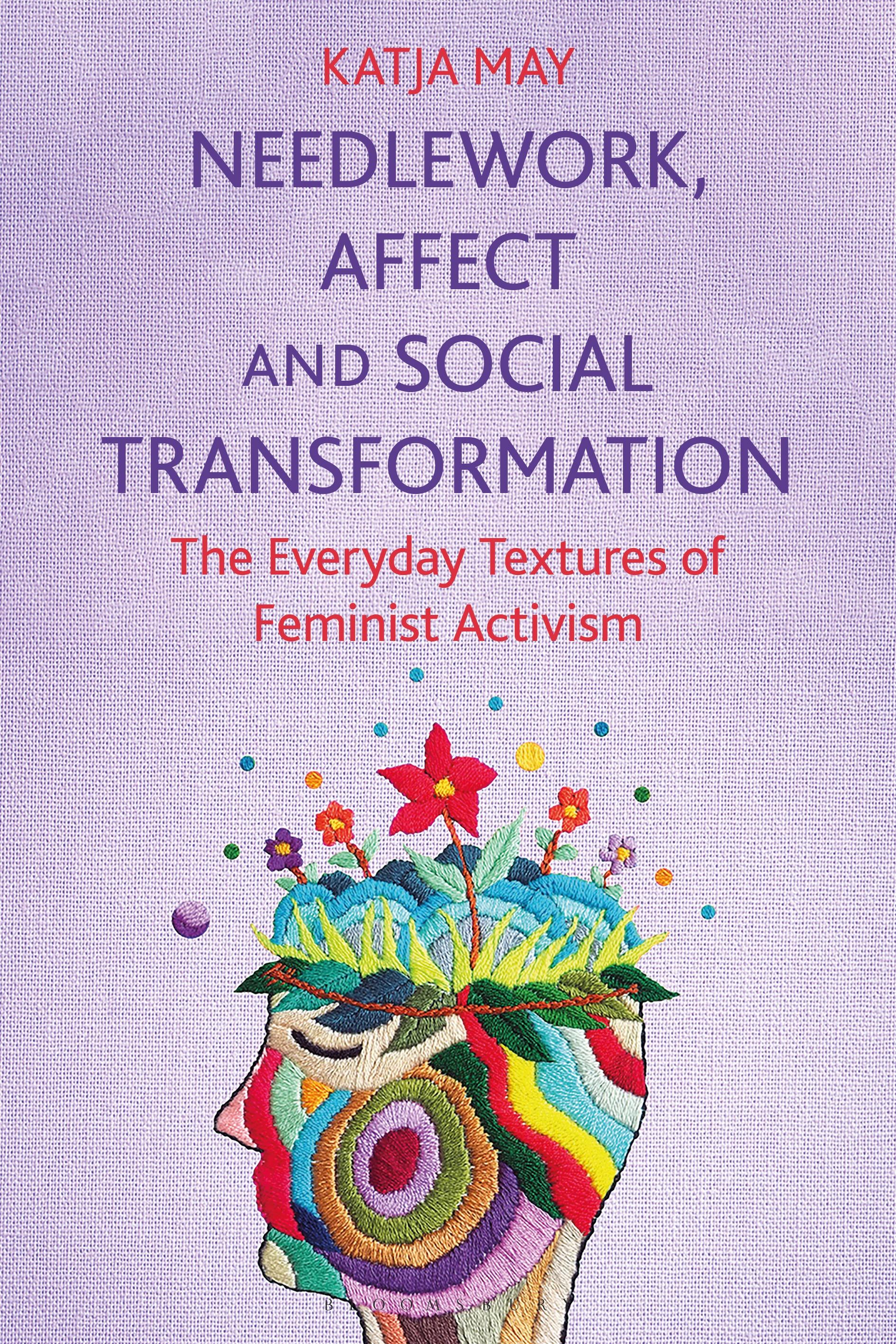
Needlework, Affect and Social Transformation offers an original framework for moving beyond binary discourses that class practices of needlework as either feminist or reactionary. Using transnational, contemporary case studies – such as the Social Justice Sewing Academy, fictionalised Bangladeshi garment workers as well as the famous Pussyhat Project – Katja May suggests a new approach to the interpretation of textile crafts as an affective social practice, and draws on under-represented issues of race.
May connects her study to broader material and social conditions of inequality, allowing for a nuanced and sensitive understanding of the role of needlework in feminist political activism. This broader look at how textile crafts function in the realms of politics and activism conceptualizes quilting, dressmaking, embroidery and knitting as routine activities invested with emotions and entangled with material and social conditions as well as political potential.
May connects her study to broader material and social conditions of inequality, allowing for a nuanced and sensitive understanding of the role of needlework in feminist political activism. This broader look at how textile crafts function in the realms of politics and activism conceptualizes quilting, dressmaking, embroidery and knitting as routine activities invested with emotions and entangled with material and social conditions as well as political potential.
Płać wygodnie kartą, Klarną, Apple Pay lub Google Pay. Nie jesteś zadowolony? Zawsze masz 14-dniową gwarancję zwrotu pieniędzy. Więcej przeczytasz w naszych warunkach. Masz pytania? Napisz do nas na hello@memmo.org.
Memmo ułatwia naukę – gdziekolwiek jesteś na świecie. U nas znajdziesz podręczniki i sprytne narzędzia do nauki w jednym miejscu: streszczenia, quizy, podcasty i fiszki. A do tego Ted, Twój kumpel do nauki, który odpowie na wszystko, co Cię nurtuje. Ponad 50 000 studentów już tu się uczy – stworzone, byś uczył się szybciej i mniej stresował.