
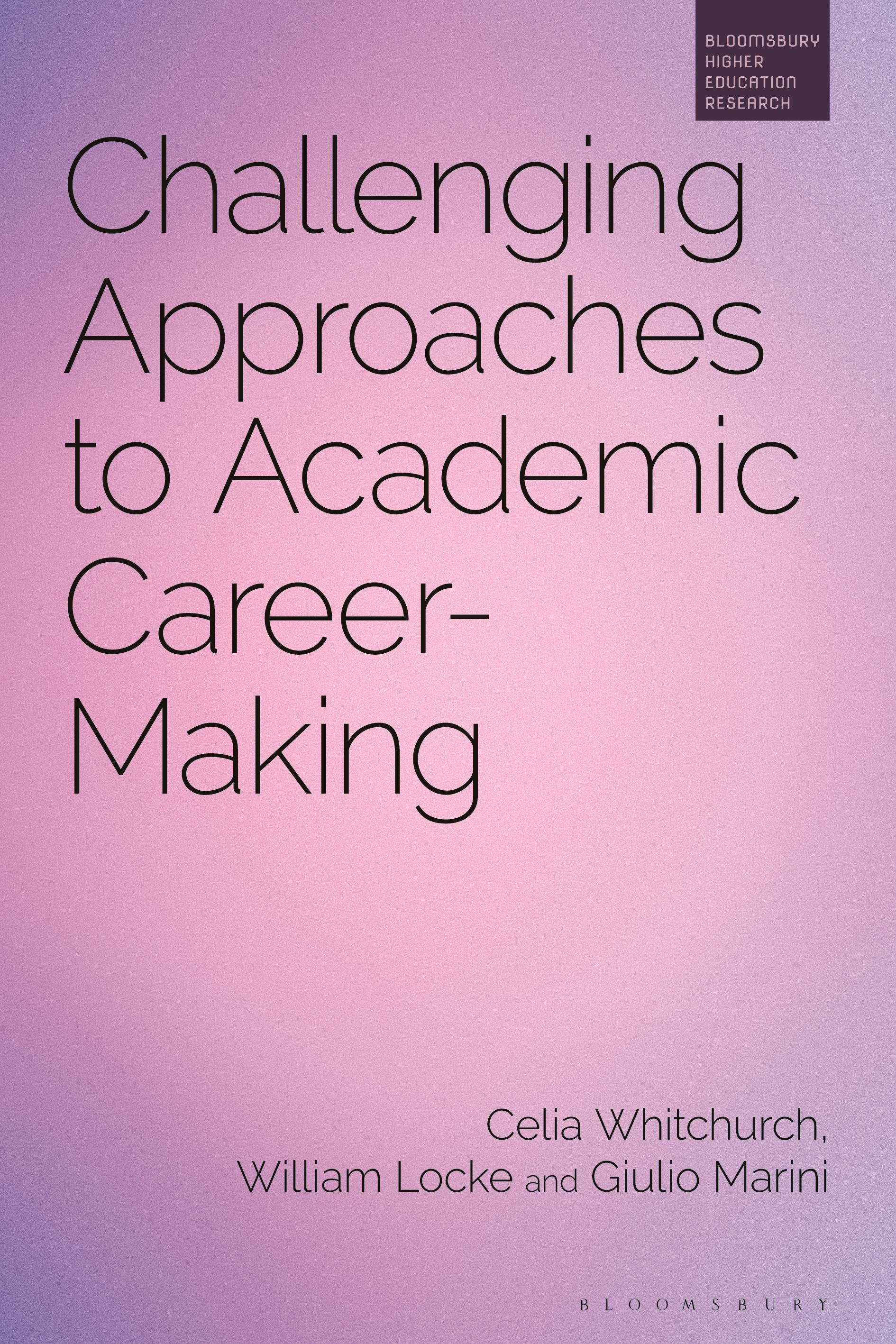
Against a background of changing patterns of academic labour in the UK and other English speaking countries, this book draws on empirical research which identifies a shift towards more open-ended approaches to roles and careers in higher education. This has resulted in what the authors describe as 'concertina-like' careers, in which individuals stretch the spaces and timescales available to them. Underpinning this process, the concept of 'career scripts' shows how the career paths of individuals may be informed by formal career structures (Institutional scripts) but also by activity associated with professional practice (Practice scripts), and by personal strengths, interests and commitments (Internal scripts). This has led to new forms of activity, within both the formal institutional economy, including promotion criteria and prescribed career pathways, and the informal institutional economy, represented by personal interests and initiatives, professional relationships and networks. The 'concertina' process enables individuals to address a series of common misalignments and disjunctures within formal institutional economies, including those associated with disciplinary and departmental affiliations, job profiles, progression criteria, and work allocation models. The book also explores directions that academic careers may take in the future, and how institutions might adapt to these changes.
Strony: 248
Kategoria: Utbildning & lärande
e-ISBN: 9781350282551
Waga przesyłki: 1.2 kg
Wysyłka w ciągu: 1-2 dni
Płać wygodnie kartą, Klarną, Apple Pay lub Google Pay. Nie jesteś zadowolony? Zawsze masz 14-dniową gwarancję zwrotu pieniędzy. Więcej przeczytasz w naszych warunkach. Masz pytania? Napisz do nas na hello@memmo.org.
Memmo ułatwia naukę – gdziekolwiek jesteś na świecie. U nas znajdziesz podręczniki i sprytne narzędzia do nauki w jednym miejscu: streszczenia, quizy, podcasty i fiszki. A do tego Ted, Twój kumpel do nauki, który odpowie na wszystko, co Cię nurtuje. Ponad 50 000 studentów już tu się uczy – stworzone, byś uczył się szybciej i mniej stresował.