
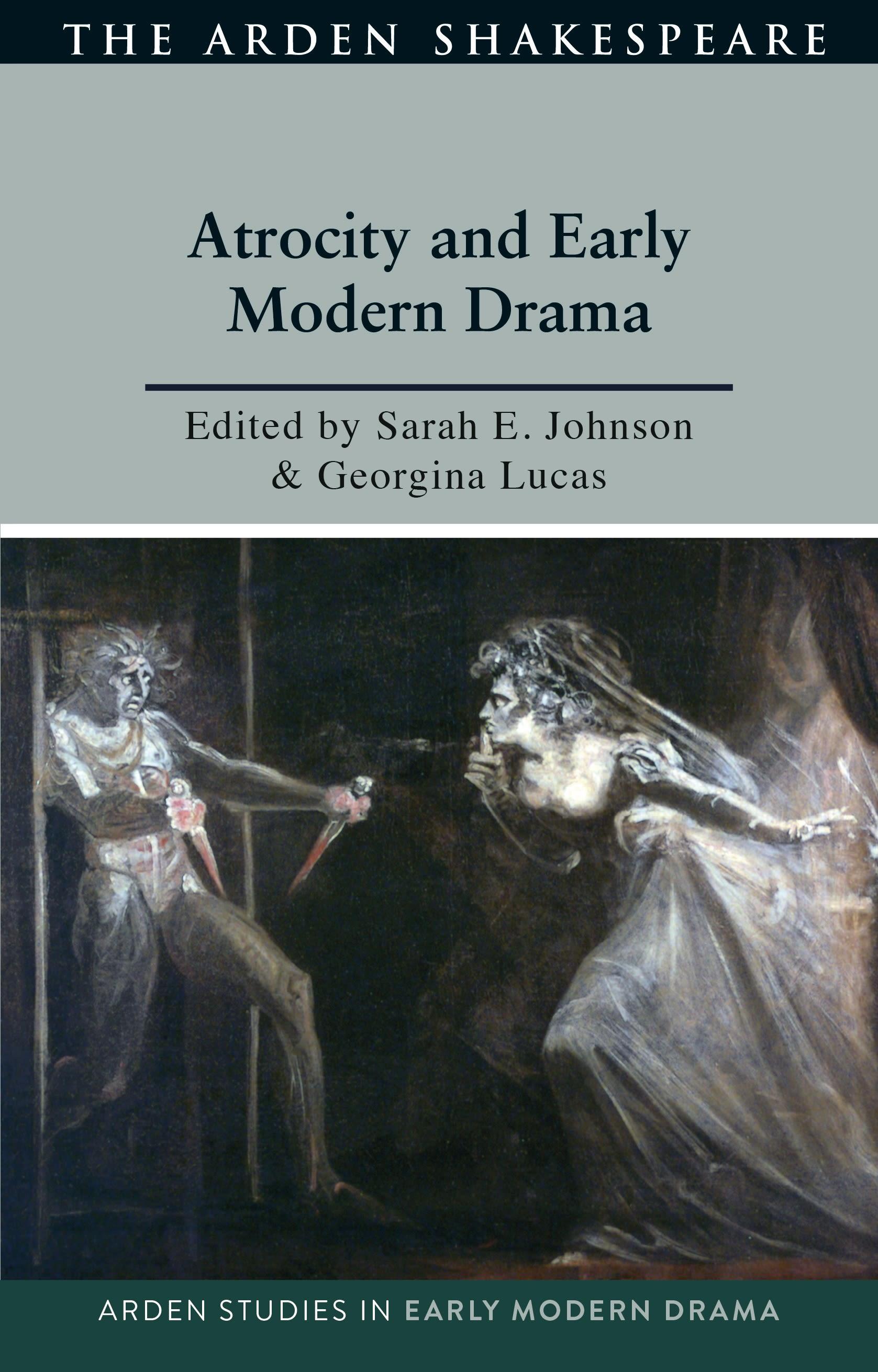
Extreme violence scarred the early modern period. Contemporary commentators grappled to find language to categorize the massacres, genocides, assassinations, enslavements, sacks, rapes, riots and regicides that characterized the period. Some used 'outrages', others 'cruelties', but, significantly, the term 'atrocity' that we use today gained the most currency.
Atrocity and Early Modern Drama intervenes in the broad field of violence and early modern drama by placing acts of atrocity at its centre. In doing so, this essay collection offers the first book-length examination of atrocities and early modern English drama. The volume considers atrocity in early theatre, its varied representations in contemporary Shakespeare performance, and strategies for teaching early modern atrocity drama. Contributors introduce us to atrocity in the works of Shakespeare, John Fletcher, William Rowley, Thomas Dekker and Thomas Middleton across a range of forms including comedy, tragedy, revenge, cinematic adaptation, documentary film and contemporary theatre. The collection addresses the intersections of atrocities through class, crime, gender, race and the natural world. Together, the chapters interrogate how early modern English drama reflects upon and shapes understandings of the historically contingent, politically loaded and culturally contentious phenomena of atrocity.
Atrocity and Early Modern Drama intervenes in the broad field of violence and early modern drama by placing acts of atrocity at its centre. In doing so, this essay collection offers the first book-length examination of atrocities and early modern English drama. The volume considers atrocity in early theatre, its varied representations in contemporary Shakespeare performance, and strategies for teaching early modern atrocity drama. Contributors introduce us to atrocity in the works of Shakespeare, John Fletcher, William Rowley, Thomas Dekker and Thomas Middleton across a range of forms including comedy, tragedy, revenge, cinematic adaptation, documentary film and contemporary theatre. The collection addresses the intersections of atrocities through class, crime, gender, race and the natural world. Together, the chapters interrogate how early modern English drama reflects upon and shapes understandings of the historically contingent, politically loaded and culturally contentious phenomena of atrocity.
Płać wygodnie kartą, Klarną, Apple Pay lub Google Pay. Nie jesteś zadowolony? Zawsze masz 14-dniową gwarancję zwrotu pieniędzy. Więcej przeczytasz w naszych warunkach. Masz pytania? Napisz do nas na hello@memmo.org.
Memmo ułatwia naukę – gdziekolwiek jesteś na świecie. U nas znajdziesz podręczniki i sprytne narzędzia do nauki w jednym miejscu: streszczenia, quizy, podcasty i fiszki. A do tego Ted, Twój kumpel do nauki, który odpowie na wszystko, co Cię nurtuje. Ponad 50 000 studentów już tu się uczy – stworzone, byś uczył się szybciej i mniej stresował.